65%
report less severe brain fog and/or memory issues after at least 2 months of Midi care.¹
report less severe brain fog and/or memory issues after at least 2 months of Midi care.¹

Poor sleep and anxiety can consume mental energy, leaving less available for attention and recall.²
report less severe brain fog and/or memory issues after at least 2 months of Midi care.¹
Poor sleep and anxiety can consume mental energy, leaving less available for attention and recall.²
Midi clinicians support you from every angle. They start by listening — then draw on the options below to build the right plan for you.

Labs & testing
Labs & testing
Your clinician may look at your thyroid function; iron, ferritin, and vitamin B12 levels; and other possible factors. If necessary, a referral to a cognitive specialist will be considered.

Lifestyle coaching & support
Lifestyle coaching & support
Realistic strategies around sleep, nutrition, stress, and the daily routines that make it easier to focus and remember.

Hormone prescriptions
Hormone prescriptions
Hormone therapy may be considered when brain fog or forgetfulness appear alongside other symptoms, like hot flashes and night sweats.
More to explore:
What is HRT?
Non-hormone prescriptions
Non-hormone prescriptions
Your clinician can recommend targeted medications if migraines, depression, anxiety, or insomnia is affecting your daily focus.

Supplement integration
Supplement integration
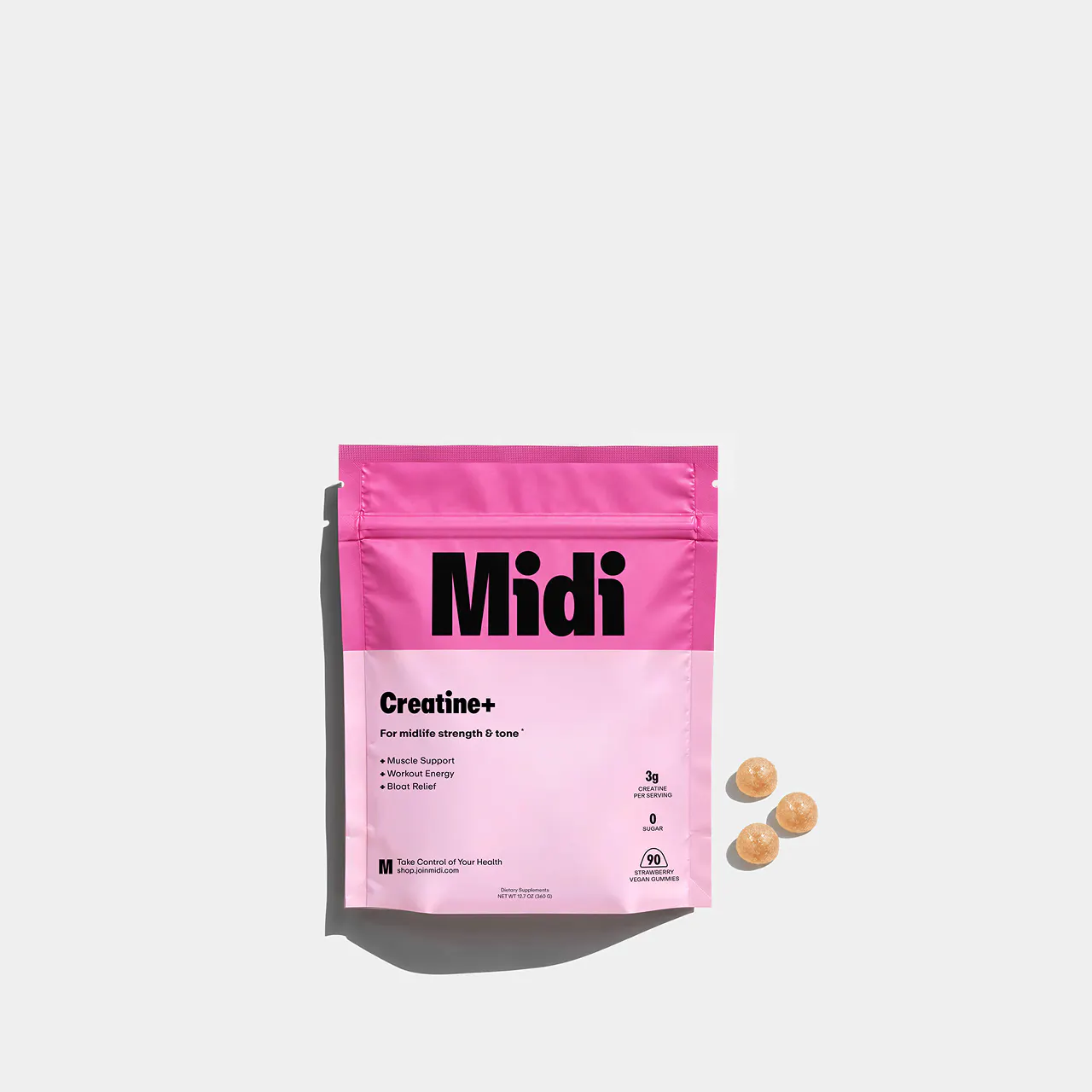
Certain supplements, like Vitamin B12, iron, Daily Brain Boost, Creatine+, or Daily Omega-3+ may be recommended to support cognitive function.
More to explore:
Shop Midi products
Brain fog had me second-guessing my decisions. Midi helped me restore my focus and regain my confidence.

My brain fog got so bad I put my phone in the dryer. Now my body feels like it’s working with me, not against me.

Told I was 'too young' for HRT, I found true midlife expertise at Midi. My brain fog is gone and I feel sharp again.

Midi has helped me feel like I am in control of my health as I navigate the stages of ups and downs of perimenopause.

No one told me hormone levels fluctuate, that you don’t have to suffer, and that replacing hormones wasn’t a bad thing.

I’m just in my perimenopause era, and with Midi’s help, I feel great — finally!

The biggest shift was mental clarity. Brain fog didn’t disappear overnight, but lifted enough that I felt a difference.

From vertigo to mood swings, nearly all my symptoms have improved. I am not exaggerating when I say Midi saved my life.
Before finding Midi, I didn't know there were clinicians dedicated to menopause and women's midlife health.

My anxiety has improved significantly. My brain fog has lifted to the point where I can finally remember words again.





Available in all 50 states • Self-pay visits available
Clinically informed. Research-backed. Built specifically for women.

Brain fog and menopause
Jul 25, 2024
Why hormonal changes may affect focus and memory—and how sleep, stress, mood, and physical health can contribute.

Memory loss during menopause: causes, symptoms, and treatments
Sept 30, 2025
What common cognitive changes can feel like, why they happen, and when additional evaluation may be helpful.

Memory supplements: best brain-boosting vitamins and nutrients
May 19, 2026
What the evidence says about B12, iron, creatine, omega-3s, and other popular options for memory and focus.
1. Based on a retrospective analysis of available electronic health records for 40,609 patients with this symptom who completed at least three Midi visits over the course of at least 60 days of Midi care between 1/1/2025-12/31/2025. Symptom severity was self-reported prior to each visit. Improvement is defined as at least 1 category level drop in severity from the prior symptom report. Changes were measured from the first to the most recent visit. Patients used a range of treatments and lifestyle strategies. Results are not guaranteed and may vary.
2. Greendale GA, et al. “Menopause-associated symptoms and cognitive performance: results from the Study of Women’s Health Across the Nation.” American Journal of Epidemiology. 2010;171(11):1214–1224.
*These real patients became Midi Ambassadors and may receive free products and/or swag. Individual results may vary.
**Midi is in-network with most major insurance providers nationwide, but coverage depends on your specific plan — deductibles, coinsurance, and copays vary and may still apply. Check your plan for details specific to you. Self-pay options are also available.
Midi accepts most major health plans. Book a virtual visit to get some clarity.