Perimenopause relief, covered by insurance


Bring up anything you’re noticing





What to expect when you weren’t expecting any of this
Midi clinicians receive specialized, evidence-based training in the menopause transition, covering both common and overlooked symptoms. Here’s what to expect from your first visit and beyond.

Share what’s bothering you
A brief intake form gives your clinician the full picture — symptoms, health history, medications, risk factors, and goals. Because hormone levels fluctuate daily, they’ll weigh every factor to see whether perimenopause may be playing a role.

A full range of paths to relief
Your clinician starts by listening to which symptoms are affecting your daily life most, then builds a personalized Care Plan with the right follow-ups for you.

Care that keeps up with you
Midi clinicians consider hormone and non-hormone prescriptions, lifestyle support, supplements, and targeted testing to find what works for you. And because perimenopause changes over time, your Care Plan can too.

A plan built around you
Your clinician always starts by listening to you and your symptoms. From there, you’ll make treatment decisions together based on what makes sense for you, drawing on the options below as needed.

Covered by most major insurance*
Available in all 50 states • Self-pay visits available
Trusted by 500k+ women and counting1

Midi has helped me feel like I am in control of my health as I navigate the stages of ups and downs of perimenopause.

My symptoms got so bad my husband went looking for answers. Fun fact, he found Midi and I got the help I deserved.

Brain fog had me second-guessing my decisions. Midi helped me restore my focus and regain my confidence.

I’m just in my perimenopause era, and with Midi’s help, I feel great — finally!

I held back from speaking up because I thought I was too young. Now I wish more women knew they don't have to wait.

As a lifelong runner, my body felt off. Midi connected my symptoms to low estrogen, and I finally feel like myself.

The days of waking up with my shirt soaking wet from night sweats are gone.

No one told me hormone levels fluctuate, that you don’t have to suffer, and that replacing hormones wasn’t a bad thing.
My doctor said I was 'just a tired mom' at 38. Midi listened, diagnosed perimenopause, and gave me real answers.

At 42, it felt like a stranger had taken over my body. Starting HRT helped me finally feel like myself again.

Before Midi, I heard, 'You're not there yet.' I thought, 'Are you sure? Because I sure do feel like I'm there.'

I’d tell my husband, ‘I like you, but please don’t breathe around me.’ I had no libido. Now, things are so much better.
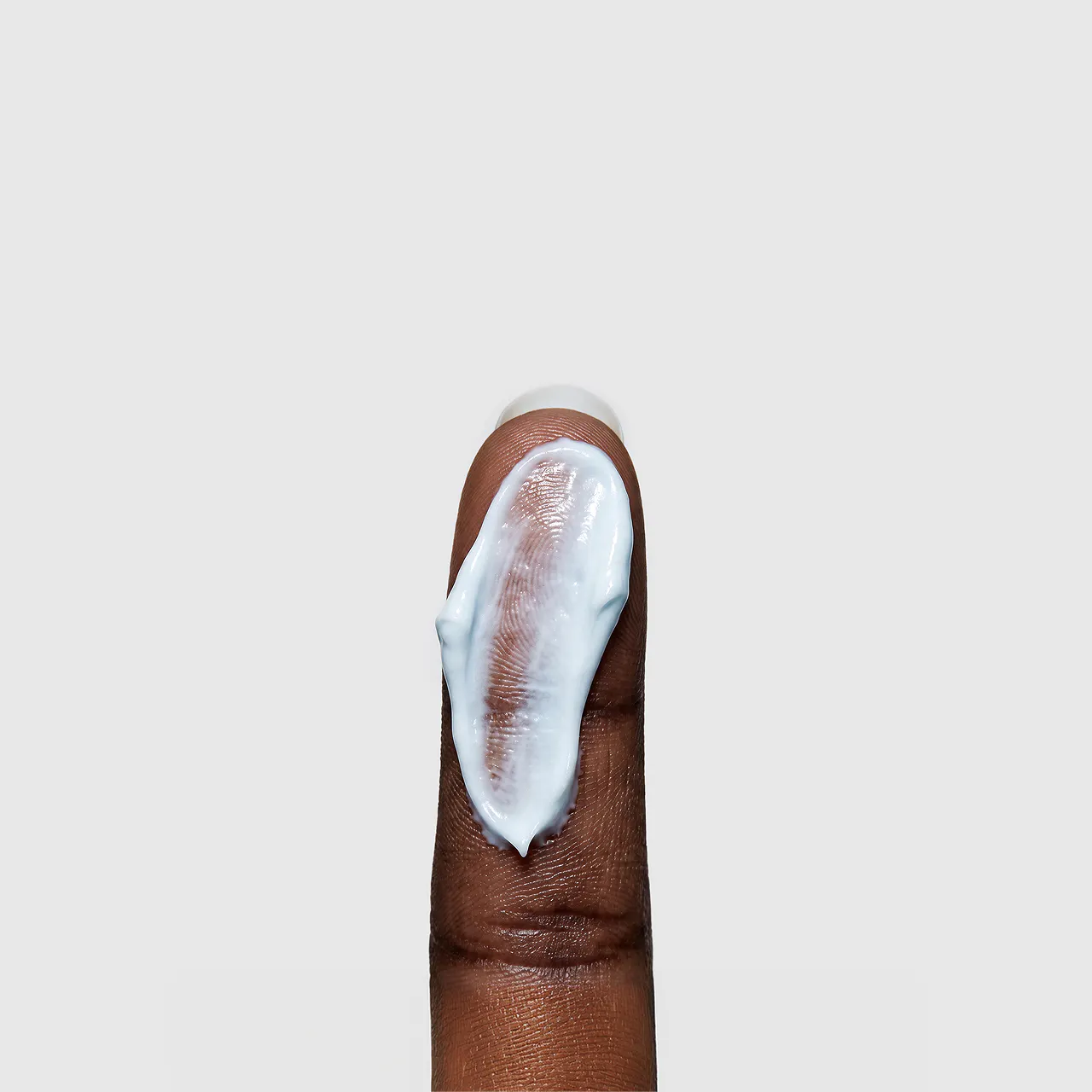
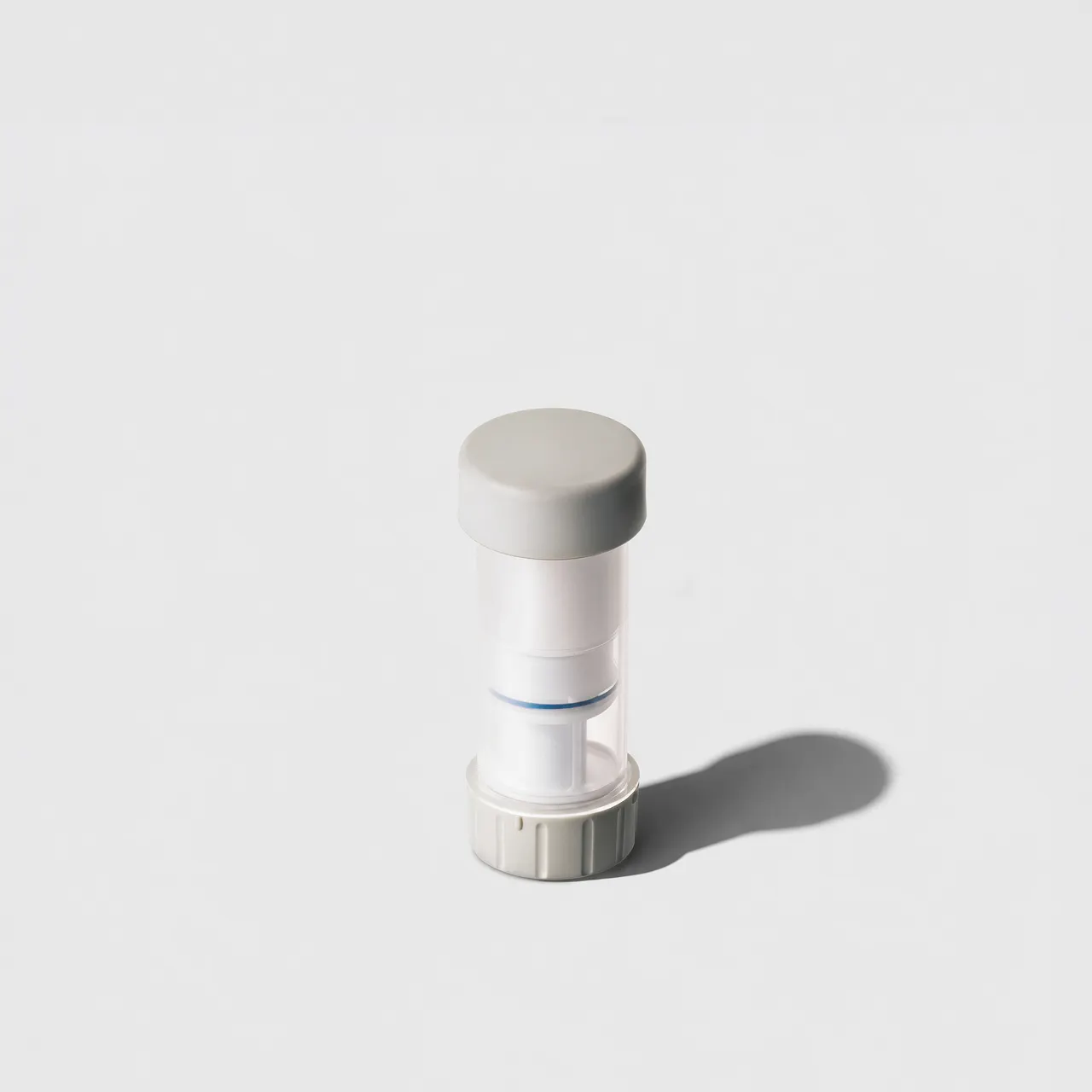
Products designed to support you
Research-backed formulas for perimenopause relief.


Sources & citations
*Midi is in-network with most major insurance providers nationwide, but coverage depends on your specific plan — deductibles, coinsurance, and copays vary and may still apply. Check your plan for details specific to you. Self-pay options are also available.
1. These real patients became Midi Ambassadors and may receive free products and/or swag. Individual results may vary.
FAQs
No. Your clinician will look at your symptoms, cycle, age, and health history to figure out what's contributing to how you feel.