


It’s an un-fun fact: Most women experience some amount of midlife weight gain. If body changes have made you feel as if you don’t recognize yourself in the mirror these days, there are things you can do—including taking certain supplements—that may support you during the hormonal and metabolic changes in midlife. But what are the best supplements for perimenopause weight gain to consider? Read on to learn more, and consider booking a visit with a menopause-trained Midi Health clinician, who can help you devise a robust treatment plan for addressing weight gain.
As if hot flashes and insomnia (and a few dozen more symptoms) weren’t enough, the majority of women notice something new at midlife: extra weight. For some, it may be a few pounds that make their current clothes just a smidge tighter; for others, it may be more significant weight gain that seemingly comes out of nowhere and forces them to size up. On top of that, how weight is distributed across the body can change, too, with more of it settling around the middle (hello, meno belly).
These shifts can have several causes, which we’ll address in a minute—but first, we want you to know that while, yes, menopausal weight gain is a common challenge for most women during perimenopause and menopause, you can take steps to get the scale moving in the other direction.
One strategy is to focus on nutrition and consider which supplements you can take during perimenopause. When appropriate, the best perimenopause supplements may help some women during hormonal and metabolic changes in midlife, giving your body what it needs to function and feel well during these pivotal years.
Read on to learn more about the best supplements for perimenopause weight gain, what you need to know about weight loss in midlife, and how a menopause-informed clinician (like one at Midi) can help get you on a healthier track.
Understanding Perimenopause and Weight Gain
Hormonal shifts, lifestyle changes, and midlife stresses all come together to create a scale-spiking environment that makes it increasingly challenging to figure out how to lose weight during menopause.
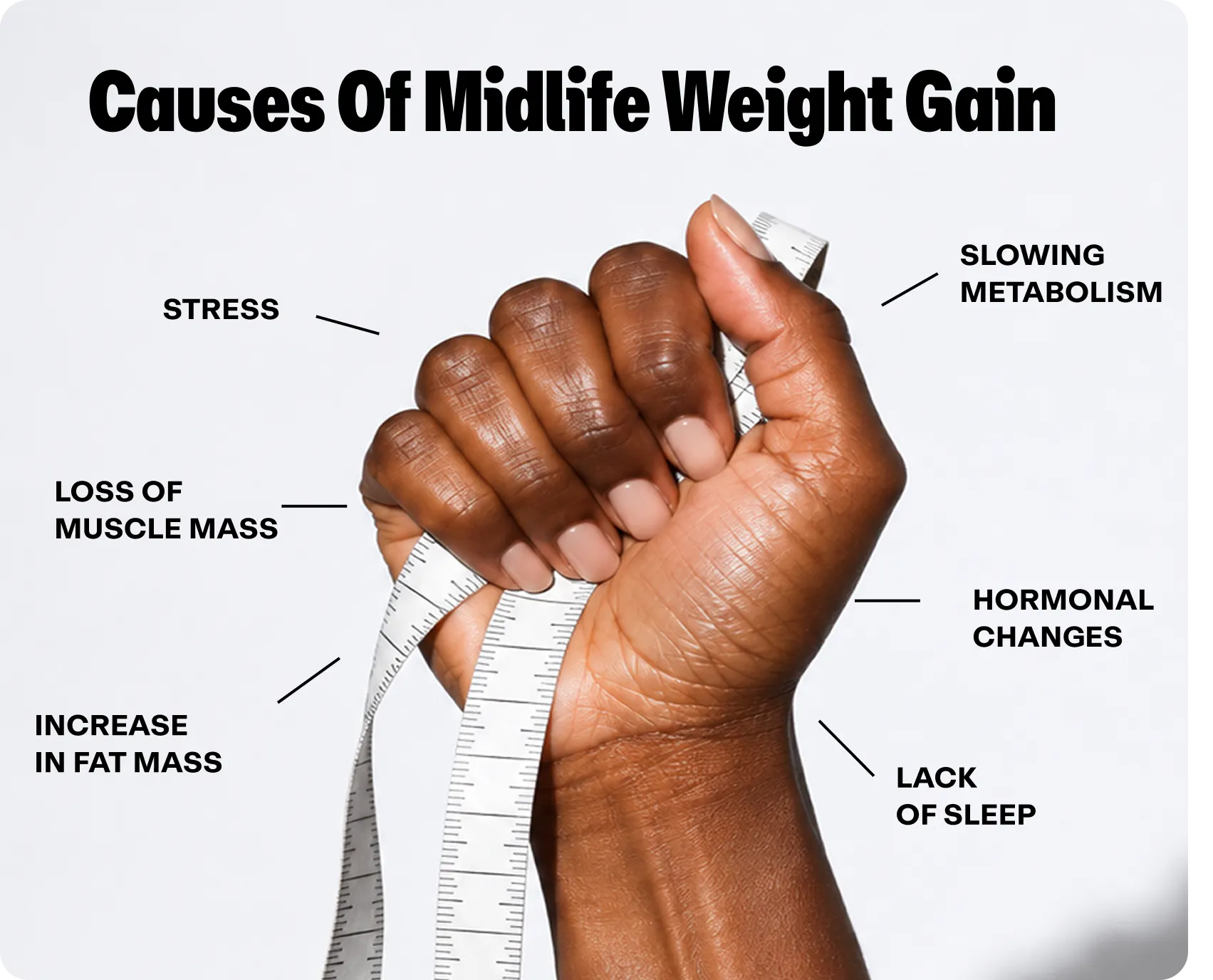
Here are the many factors that can contribute:
Hormonal changes
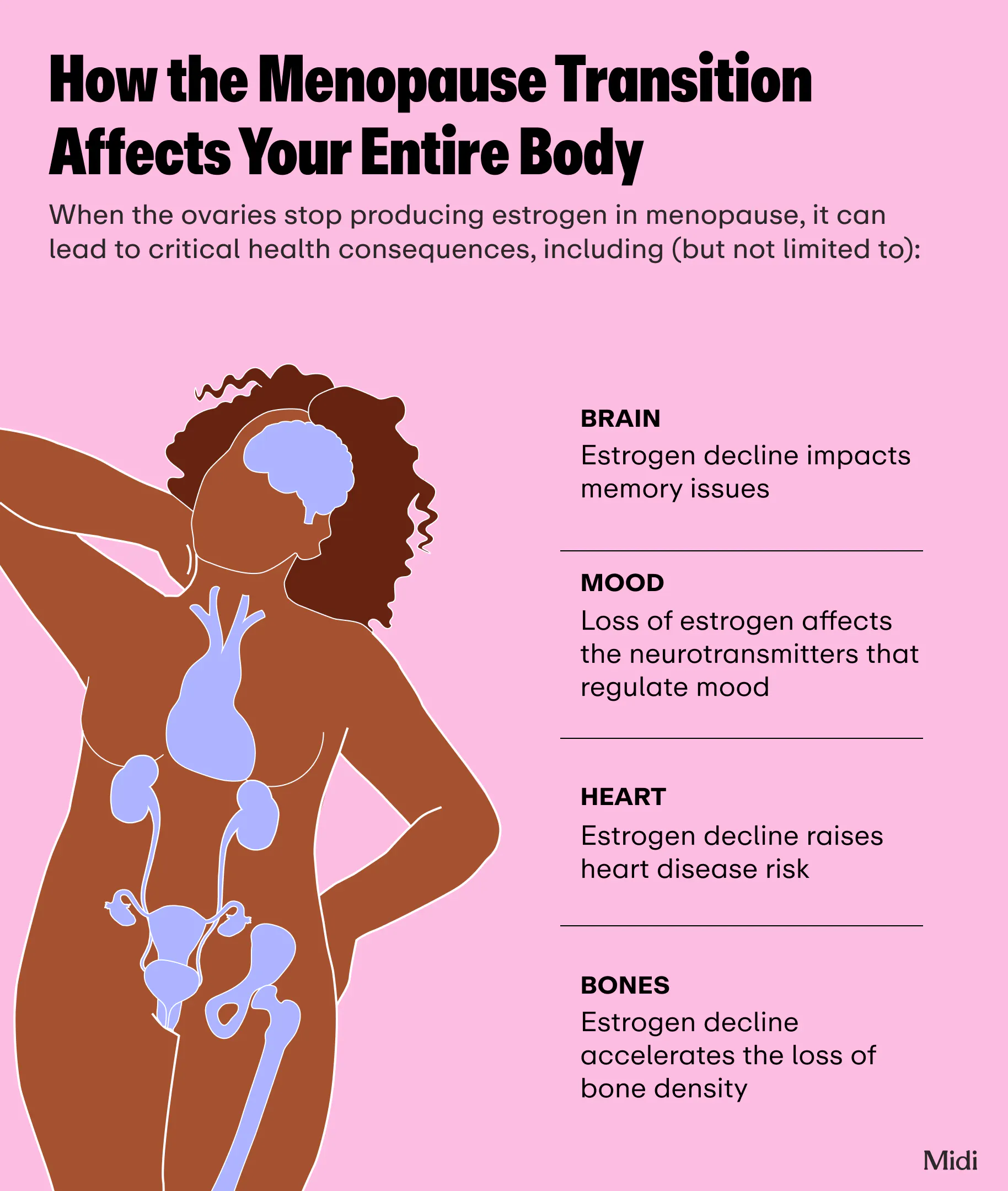
A decline in estrogen during perimenopause (the phase leading up to menopause, which is when your period stops completely) doesn’t just trigger symptoms like hot flashes or mood shifts: Estrogen also plays a role in maintaining a steady weight.
Estrogen is important for a healthy metabolism because it helps regulate how much you eat and the calories your body burns, which keeps your weight (relatively) consistent. When estrogen declines, however, the way your body uses calories changes, potentially leading you to eat more. This, in turn, causes your blood sugar to rise and your body to store more fat. As a result, you may end up consuming more calories than your body is burning. Hence, the weight gain.
Natural aging
Women lose 3% to 5% of muscle mass in each decade, starting at age 30. That’s a big problem for weight management, since muscle is metabolically active, meaning it burns calories even at rest. Losing muscle not only slows metabolism, it can also make you feel weaker. As a result, you may cut back on everyday activities and calorie-burning exercise.
Less physical activity
Another common change that can happen with age: moving less. At this stage, you may notice that you're settling into a more sedentary lifestyle, sitting during your commute, at your desk at work, and on the couch to (finally!) relax at night. Absolutely no judgment here—life is hectic, and many tasks can keep you pinned in front of a computer or sitting in your car. But if you continue to eat the same as you did when you were more active, weight gain is pretty much guaranteed.
Diet shifts
You may see shifts in eating habits during perimenopause, some that are related to hormonal changes and some that aren't. Stress can naturally creep up during midlife (there's a lot on your plate!), and so can the accompanying stress eating. When you eat alongside insatiable growing teens in the household and combine that with a changing metabolism, it can add up to fueling more than your body needs, leading you to build up more fat.
Lack of sleep
You may already be experiencing how insomnia and night sweats can affect your sleep during perimenopause. Stress plays a role here, too—mounting life tensions can weigh on our emotional and psychological well-being, keeping you up at night as your mind loops through anxious thoughts.
Both stress and lack of sleep can have an impact on your hunger and satiety hormones, making you more likely to choose less healthy food options that are typically higher in calories. And when you're already worn out and exhausted, finding time to exercise can feel like even more of a challenge.
Cortisol and chronic stress
If you’ve been searching for the best supplements for menopause belly fat, you might have seen the term “cortisol” come up frequently. That's because estrogen levels may have an impact on stress, sleep, and possibly on cortisol levels. And brain fog, sleep deprivation, fatigue, and stress may result in heightened cortisol levels. All of these factors taken together may contribute to weight gain (and may fuel changes to your glucose levels and blood pressure, too). A 2017 study found that people with signs of chronic elevated cortisol experienced more persistent obesity over time.
Insulin resistance
It can be more common for women to develop a condition called insulin resistance in midlife. This is when your body’s cells don’t respond to insulin the way they should, and so your body can’t effectively use glucose for energy. A buildup of weight around your midsection can raise the risk of insulin resistance; in perimenopausal women, this can happen because as estrogen levels drop, more fat might be stored around the belly. Insulin resistance can also lead to weight gain.
If this all seems stressful, we get it—talk about a pile on. First, give yourself a break: A full 87% of Midi patients experience weight gain and body changes. While menopausal weight gain is common, it’s not inevitable or permanent. At Midi, our clinicians work with women to help them achieve their weight management goals. Sometimes, simple life adjustments can make a big difference; other times, medications like GLP-1s or supplements can help.
Managing Menopausal Symptoms
For many women, perimenopause can feel like an uphill battle. Along with midlife weight gain, you may also be dealing with common menopause symptoms that affect your physical and mental health, including:
- irregular periods
- hot flashes and night sweats
- insomnia and other sleep problems
- mood changes, irritability, and rage
- vaginal dryness
- decreased libido
- brain fog
The best way to manage these symptoms is to work with a healthcare professional, like a Midi clinician, who can design a plan tailored specifically to you. It might include lifestyle support for diet, exercise, and healthy sleep; botanicals and supplements; non-hormonal medications; and hormonal medications, including hormone replacement therapy (HRT, now commonly referred to as menopause hormone therapy, or MHT).
Addressing menopausal symptoms and weight gain with a holistic approach can be the best way to find relief and get weight loss results that stick.

Nutrition and Supplements for Fighting Weight Gain
During midlife, adjusting your diet can support your body’s changing hormones. While there is no one “magic bullet” for weight loss, it’s important to make sure you’re getting enough of certain nutrients that your body needs. Here are some of the best menopause supplements to consider:
1. Omega-3 fatty acids
Omega-3 fatty acids are a type of heart-healthy fat found in foods like fish and seafood, flaxseeds, chia and walnuts, and some fortified foods. Although research isn’t consistent, some evidence suggests that omega-3s may help improve body composition due, in part, to their anti-inflammatory benefits, especially when paired with a reduced-calorie diet. Omega-3s may also provide diabetes support for healthy blood sugar and lipid levels.
Typical recommended amounts (check with your clinician): 1 to 2 grams (g) daily of combined EPA/DHA, the typical starting point for inflammation, mood, and cognitive support; this may be increased to 4 g daily for high triglycerides (a type of fat in the blood). Midi’s Daily Omega-3+ supplement (which also contains vitamins D and K, and more) has 1300 mg of omega-3.

2. Fiber
Fiber may be one of the best supplements for menopause bloating and weight management. Something really amazing happens when you consume fiber-rich foods (and yes, maybe supplements to fill the gaps). Research shows that making the single change of eating more fiber helps you lose weight, according to The Journal of Nutrition. Fiber is filling, and it feeds good bacteria in your digestive tract to support gut health, which is also linked to a healthy weight. Whole grains, fruits and vegetables, legumes, and nuts are all excellent food sources.
Typical recommended amounts (check with your clinician): 25 to 35 g per day to support gut health, cardiovascular health, and glucose control. (Midi’s Daily Fiber + gummies have 5 g per serving.)

3. Protein
One of the very best nutrients for weight loss in females over age 50? Protein. It helps your body maintain lean mass (muscle, bone) and is necessary for building muscle, too. (Your body also burns slightly more calories metabolizing protein.)
Plus, emerging evidence suggests that increasing protein even a little bit may prevent weight and belly fat in midlife, according to commentary published in BJOG: An International Journal of Obstetrics and Gynaecology. In addition, if you’re losing weight, you’ll inevitably lose some muscle, too. A protein-packed diet will help preserve muscle as the scale ticks down—this, in turn, will keep your metabolism humming to help you maintain your new lower body weight.
Typical recommended amounts (check with your clinician): 1.2 to 1.6 g per kilogram (kg) of body weight per day to preserve muscle mass, or closer to 1.6 g per kg for weight management.
4. Magnesium
Say hello to the sleep-supporting mineral. Magnesium helps promote the production of melatonin (a hormone needed for sleep), relaxes the body in preparation for sleep, and may even lessen anxiety to quiet the racing thoughts and worries that can keep you up at night. That’s why people who get adequate magnesium also tend to get the sleep they need. Lack of sleep is a common culprit behind weight gain because it can make you slog through the day (so you’re less active) and affect your appetite (so you reach for more calorie-dense foods).
Typical recommended amounts (check with your clinician): 310 to 420 mg per day. Your clinician may recommend magnesium glycinate in particular for stress management and sleep.
5. Probiotics
The best probiotics for women provide beneficial bacteria for a healthy gut microbiome. And they've been shown to possibly help ease some symptoms of depression, according to a review and meta-analysis in the journal Microorganisms. Mood changes during midlife can make it more difficult to maintain the healthy habits that help you lose weight, from making balanced food choices to sticking with an exercise regimen.
Another plus for probiotics: It can help ease gastrointestinal (GI) distress triggered by declining estrogen and progesterone. If you have symptoms of irritable bowel syndrome, like bloating, probiotic supplements—specifically strains Lactobacillus, Bifidobacterium, and Bacillus—may help ease those belly-bothering symptoms.
Typical recommended amounts (check with your clinician): Lactobacillus or Bifidobacterium species are often recommended, and most supplements contain around 10 to 20 billion CFUs daily. (Higher amounts aren’t necessarily more effective.)
6. Creatine
Creatine is not just a supplement that muscled-up bros at the gym are taking. It may have benefits for women’s bodies and mind, including during the menopausal transition. Creatine is a substance found in meat and fish, but it’s also available as a supplement.
Taking a creatine supplement daily can support muscle growth and strength when combined with exercise, and it may potentially promote better memory and cognition, according to a review in the journal Frontiers in Nutrition. (If you have kidney disease, check with your clinician first to make sure it’s safe for you.)
Typical recommended amounts (check with your clinician): 3 to 5 g daily to improve lean muscle mass, strength, and recovery. Midi’s Creatine+ gummies have 3 g per serving, plus fennel seed extract to keep your digestive system happy.

7. Berberine
You may have heard about berberine—after all, in some circles, it’s being called nature’s Ozempic. Derived from the berry of the berberis shrub, berberine was shown to have a modest impact on BMI and improved glucose metabolism and waist circumference in a 2025 systematic review (the authors noted that more studies are needed, though). Another recent study review also found a modest impact on BMI as well as body weight.
"We pretty consistently see improved blood sugar levels and lipid panels in patients on berberine, while the weight loss response is mixed,” says Midi’s Chief Medical Officer, Dr. Kathleen Jordan.
There is some concern that berberine's alteration of the gut microbiome may have other unknown health impacts, so many people choose to use it for a limited time only, usually fewer than 6 months at a time to allow the gut to revert to baseline.
"For patients who may have pre-diabetes or a modestly elevated cholesterol who also want to lose a few pounds, we often see them choosing berberine as their first-line attempt,” says Dr. Jordan.
Typical recommended amounts (check with your clinician): For standard berberine HCI: 500 mg taken 2 to 3 times daily (for a total of 1,000 to 1,500 mg/day), ideally before meals. For berberine DHB, a type that’s more bioavailable (like Midi’s Berberine+): 100 to 200 mg, once per day. A conversation with your clinician is a good idea, to make sure it doesn’t interact negatively with any medications. Ask your clinician how long they recommend taking berberine for—some experts recommend stopping after 6 months, for example.

Which Supplements Should You Skip for Perimenopause Weight Gain?
The best perimenopause supplements help support your overall wellness goals. But there are others, frequently marketed to women during perimenopause and menopause, that don’t have much (if any) evidence backing them for weight loss—and some that can be legitimately risky for your health.
Not enough evidence for weight loss:
- Apple cider vinegar pills: While apple cider vinegar is considered safe as a food, there’s limited research to suggest that taking it in pill form helps you drop pounds.
- Ashwagandha: A plant from tropical and subtropical areas of Asia, Africa, and Europe, ashwagandha may offer benefits for anxiety and sleep, but it has not been proven as a weight loss helper.
- Green coffee bean extract: There’s no good evidence showing that this supplement leads to significant weight loss, despite some claims floating around that it does.
- Green tea extract: Research shows that taking green tea extract doesn’t lead to significant weight loss.
May be unsafe:
- Kava: These supplements, which contain a type of South Pacific pepper, have been shown to potentially help with anxiety, and sometimes they’re mentioned as something that can help you stop “stress eating.” There’s no evidence for that claim, though—and there have been rare cases linking the supplement to serious liver injuries. Some less-dire side effects can include headaches, dizziness, and GI problems.
- Raspberry ketones: There’s limited evidence that these supplements alone can help you lose weight. And their safety hasn’t been established in human studies.
- Vitamin E in high doses: Some small studies have suggested vitamin E could help ease menopause symptoms like hot flashes, and it turns up in wellness conversations about weight and metabolism (there’s no science behind that claim). But high doses from vitamin E supplements could increase the risk of bleeding in the brain, causing strokes, and could interfere with certain medications.
Possibly helpful for other menopause symptoms but not weight loss:
Some women find that supplements containing ingredients like black cohosh, soy, and wild yam creams ease certain menopause symptoms, and there are limited studies backing this up, though more research is needed. There’s no evidence to suggest they have any effect on weight.
Certain evidence-backed perimenopause supplements can be helpful, particularly when prescription medications can’t address certain symptoms, says Dr. Jordan. But always speak with your clinician before trying a new supplement, including ones that may be beneficial for other menopause symptoms, as they could still interact negatively with medications or come with health risks.
Choosing When to Take a Supplement
For each of the nutrients listed above, you should focus on getting what you need through food, but supplements may help fill in the gaps in your diet. You might:
- Drink fortified plant or dairy milk for calcium, and take a calcium supplement.
- Ramp up your intake of fruits, vegetables, whole grains, and legumes to get more fiber, and take a fiber supplement on the regular.
- Eat more chicken or fish to get ample protein, and add a protein shake to hit your nutritional goals.
Yes—it can be tough to make sure you get the nutrients you need. We’re all struggling a bit: For instance, most Americans don’t get enough fiber, and if you’re not eating a lot of fish or seafood, you may be skimping on omega-3s, too. Connecting with a Midi weight specialist for personal recommendations on diet changes and supplements can be key to making healthy shifts.

If supplements are part of your Midi Care Plan, you’ll be advised to use supplements that are third-party tested. That’s important because supplements aren’t regulated the way prescription medications are. Third-party testing provides some reassurance that a supplement’s label reflects what’s really in the bottle, as well as that the supplement’s ingredients have been screened for specified contaminants and unsafe levels of impurities.
In addition, you and your clinician can come up with a plan on how to get more healthy foods into your diet while following your taste preferences, eating habits, and values (because food should make you feel good in all the ways). In other words, overall supplement and diet recommendations rarely hit the target; you need advice that’s customized to you.
Start with one supplement at a time, and give it 4 to 6 weeks to see whether you notice benefits, before switching or adding another. Be patient, and keep checking in with your clinician to review your progress.
Remember, too, to always let your clinician know about any other medications or supplements you’re taking. They can negatively interact with each other, so reviewing everything with your clinician first is essential.
Weight Loss Success Stories
Supplements vs. GLP-1s: What Actually Drives Weight Loss in Perimenopause?
Certain supplements can support your overall health and wellness during perimenopause, and some may offer modest weight loss benefits. But if you’re a candidate for a GLP-1, a type of prescription medication that treats type 2 diabetes and obesity or overweight, weight loss will likely be more significant.
For example, berberine was associated with a mean difference in body weight reduction of less than 1 kg (about 1 to 2 pounds) in the 2025 study review. But pivotal trails of three types of GLP-1s approved for weight loss—liraglutide (Saxenda), semaglutide (Wegovy), and tirzepatide (Zepbound)—found average weight reductions of about 8% with liraglutide, 15% with semaglutide, and 15% to 21% with tirzepatide, depending on the dose, after roughly a year to a year and a half of treatment.
Though GLP-1s can be enormously helpful for people who have struggled to lose weight, they’re not right or indicated for everyone. Ask a healthcare professional, like a Midi clinician, whether they think a GLP-1 might be helpful for you, or if you’d be better served by a treatment plan that focuses on lifestyle shifts in eating, exercise, and sleep, as well as targeted supplements.
If your clinician says you’re a good candidate for a weight loss medication, the happy news is they’re available in more forms—along with injectable GLP-1s, there are now oral semaglutide pills, which can be easier for some people.
Can Hormone Therapy Help With Perimenopause Weight Gain?
Hormone therapy isn’t a weight loss medication. But it is the most effective treatment for managing bothersome symptoms of perimenopause like hot flashes and night sweats—and that can help you sleep better and give you the daytime energy (and better mood!) that makes it easier to eat well and exercise. And all of that, of course, can help you maintain a healthy weight.
There’s some evidence that certain forms of HRT might help with the body composition changes that often develop during menopause, such as an increase of belly fat and loss of muscle mass. For example, a small 2021 study found that postmenopausal women using transdermal estrogen therapy had greater increases in muscle mass after a 12-week resistance training program than people receiving a placebo. An earlier study found an association between hormone therapy and decreased BMI and abdominal fat mass.
If you’re curious about whether hormone therapy is right for you, talk with a menopause-informed clinician, like one at Midi. They can guide you on the best types of HRT to address your specific symptoms, as well as give you individual advice on changes that can help you feel your healthiest best. Midi is in network with most insurance providers, and visits are virtual and convenient to book. It couldn’t be easier to get the midlife help you need.
Key Takeaways
- While midlife weight gain is common and frustrating during perimenopause, there are many ways you can tackle it.
- Diet and exercise are key to weight loss during the menopause transition, as well as filling in any nutrition gap and supplementing your diet with key nutrients that can boost your metabolism.
- Certain supplements can support healthy weight loss, while others that are talked about but don’t have much evidence behind them.
- Consider talking with a healthcare professional about prescription options, including whether weight loss drugs like GLP-1 medications are right for you or whether HRT (to address menopause symptoms) could help you shed pounds.
Frequently Asked Questions (FAQs)
Which supplements help with perimenopause weight gain?
Two of the most important nutrients for weight loss and maintenance are fiber and protein. Making sure you get enough of these nutrients from dietary sources and, if needed, from supplements can support a healthy weight.
How do I stop weight gain during perimenopause?
Adjusting your diet to align with your body’s new calorie needs is the first step to dealing with weight gain during perimenopause. That’s no easy task! However, in making changes to what you eat, such as focusing on fiber- and protein-rich foods, you can create a balanced, nutrient-packed diet; avoid fads; and change how your body feels. Along with that, moving your body, prioritizing sleep, and finding ways to ease stress all support a healthy weight.
What can I take to lose weight during perimenopause?
There are no specific weight loss supplements we recommend that will drive significant weight loss. (In other words, there are no shortcuts.) That said, we know supplements, including nutrients like fiber and probiotics, can help. In addition, hormone replacement therapy can improve menopause symptoms that set the stage for weight gain (like sleep-disrupting night sweats). Once those symptoms are cleared up, many women find it easier to make the changes in eating and exercise that help them maintain a healthy weight.
Some women might also consider using targeted weight loss drugs like GLP-1 medications (semaglutide), depending on their current health. GLP-1s are most commonly offered as weekly injectables. Oral semaglutide for weight loss, as daily pills, was approved by the FDA in late 2025, so this is another option.
How to lose perimenopause belly fat?
It may help to follow an anti-inflammatory diet that includes vegetables, fruits, whole grains, legumes, nuts and seeds, and lean proteins like fish and chicken. Aim to eat 20 to 30 grams of protein per meal. Exercise will also help reduce overall fat and keep stress at bay (since stress may promote the buildup of abdominal fat). Hormone therapy is not a weight loss medication, but it may also help address meno belly and improve metabolic health.
What do doctors prescribe for perimenopause weight gain?
Your clinician may suggest a number of prescription options, such as GLP-1 medications that are effective in promoting weight loss and can help quiet food noise or metformin in specific cases to help manage insulin resistance. Though hormone therapy is not a weight loss medication, your clinician may recommend it when appropriate to help manage other menopause symptoms.
Which supplements should you avoid during perimenopause?
Some perimenopause supplements can be beneficial, but others might be dangerous, such as kava, raspberry ketones, and vitamin E in high doses. Other supplements, like apple cider vinegar pills, ashwagandha, green coffee bean extract, and green tea extract, have limited or no evidence backing them for weight loss.
What is the most effective supplement for perimenopause?
There’s no “magic bullet” supplement for perimenopause weight loss, but fiber fills you up and has been linked to a healthy weight, and protein can help your body maintain lean mass. Other supplements may be beneficial for managing certain perimenopause symptoms, such as vitamin B complex or vitamin D for menopause fatigue in vitamin-deficient individuals or people at risk for vitamin deficiency.
How long does it take for perimenopause supplements to work?
It depends completely on the type of supplement your clinician has recommended. But with many supplements, experts say you should use them consistently for 4 to 6 weeks to begin to see benefits.
If you’re in perimenopause or menopause and want guidance from clinicians who specialize in women’s midlife health, book a virtual visit with Midi today.
Hormonal change is at the root of dozens of symptoms women experience in the years before and after their period stops.
Our trained menopause specialists can help you connect the dots to guide you towards safe, effective solutions.
Whether you need personalized guidance or a prescription routine to tackle symptoms—including brain fog, hot flashes, sleep trouble, mood swings, and weight gain—we’ve got you covered. Learn more here.
Midi’s mission is to revolutionize healthcare for women at midlife, wherever they live and whatever their health story. We believe that starts with education, to help all of us understand our always-changing bodies and health needs. Our core values guide everything we do, including standards that ensure the quality and trustworthiness of our content and editorial processes. We’re committed to providing information that is up-to-date, accurate, and relies on evidence-based research and peer-reviewed journals. For more details on our editorial process, see here.