


If you’ve been feeling heavier, puffier, or stuck at a higher weight than feels comfortable, you might be asking yourself what’s going on. And hearing some buzz in the air, you may wonder: Does inflammation cause weight gain? Inflammation is your body’s natural response to injury or stress, and though people often associate it with weight gain, the real connection is indirect—through things like fluid retention, insulin resistance, sleep, and stress. Here’s what’s real, what’s oversimplified, and what actually helps in midlife.
Spend time online, and you’ll hear people talking about the connection between inflammation (a buzzy topic right now) and the creep of extra pounds. The question comes up among women—does inflammation cause weight gain?—especially when they feel heavier or puffier despite the conviction that they’re taking all the right, healthy steps with diet and exercise.
True, inflammation can influence weight indirectly through hormones, metabolism, appetite, and fluid retention, but you can take practical steps to reduce these effects.
Women in midlife may notice changes in their body composition during perimenopause and menopause. In turn, that can increase susceptibility to sleep disruption and stress—both of which can contribute to inflammation.
Keep reading for a breakdown of exactly which evidence-based steps can help, with a payoff to your overall health.
Does Inflammation Cause Weight Gain: The Quick, Accurate Answer
While inflammation can contribute indirectly to weight changes, it’s rarely the only cause. Short-term inflammation—which can happen, say, after eating a high-sodium meal—can lead to temporary water retention and unwanted puffiness, but this usually fades once the trigger passes.
Chronic low-grade inflammation, on the other hand, is linked with insulin resistance and metabolic changes that can make weight loss harder over time. The root causes of low-grade inflammation include:
- Disrupted or poor sleep This can make appetite control a dicier thing, as well as influence inflammation-related pathways in the body.
- High stress levels The cortisol spikes this causes can lead to low-grade chronic inflammation, increase cravings, and shift weight gain toward the abdominal area.
- Lack of physical activity This contributes to a loss of muscle tone (which also naturally comes with aging). One result of that: Your body burns fewer calories over time. This can make weight changes feel more frustrating and harder to reverse.
- Unhealthy eating patterns A diet that includes lots of refined carbs, sugar, and ultra-processed foods can increase inflammation.
Certain medications and underlying health conditions can also contribute to ongoing inflammation, even though they don’t directly cause it.
Some products out there make vague “anti-inflammatory” promises, but the best, most effective first step is to identify what habits or behaviors could potentially be driving low-grade, persistent inflammation. That way, you can make targeted lifestyle adjustments and start feeling more like yourself.
What “Inflammation” Actually Means—And Why the Internet Confuses It
The buzz about weight gain and inflammation can be confusing when so many people invoke the term whenever they feel like they’re carrying extra pounds. To be clear, inflammation is a normal and essential part of our immune system. It’s a protective body response to injury or infection—and it resolves once the injury heals.
Chronic inflammation, on the other hand, is low-grade, persistent signaling that doesn’t resolve on its own and is often tied to overall metabolic health.
Saying “I’m inflamed” has become a catch-all phrase when someone’s feeling puffy, bloated, or frustrated by their weight, but true chronic inflammation is something that can be diagnosed only by a clinician—not by someone on social media.
If you do have ongoing inflammation, treating the root cause—through adjustments to sleep patterns, diet, and activity—is the most effective step. And it’s much more helpful than chasing quick fixes touted on viral posts.
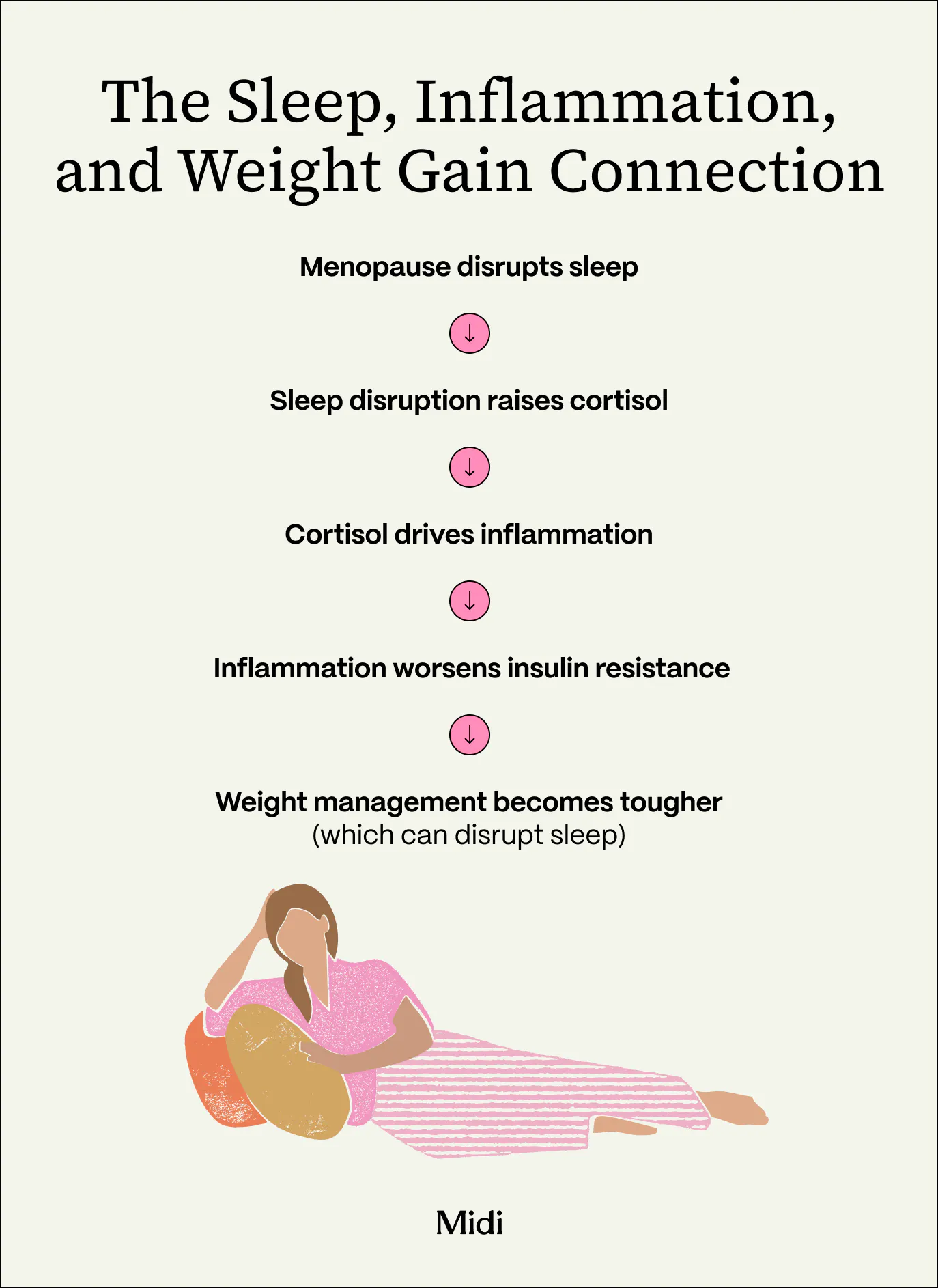
Inflammation and Weight Gain: The Real Mechanisms That Can Affect the Scale
So what are some of the factors behind the link between inflammation and weight gain?
- Appetite changes can play a role: A combination of inflammation and poor sleep can increase cravings and hunger cues, which can lead to eating more overall. In this case, it’s the extra food—not inflammation itself—that contributes to weight gain over time.
- Insulin resistance is another pathway: When chronic inflammation interferes with how your body handles glucose (blood sugar), it can affect fat storage and how efficiently your body uses energy.
- Fat tissue is closely linked with inflammation: As body fat increases, inflammatory signals often rise as well, which can make metabolic health tougher to regulate.
- Movement matters. Inactivity can push inflammation—and weight gain—higher, creating a cycle that affects long term metabolic health.
The good news: Chronic inflammation is often a signal of lifestyle and hormonal transitions—not a preordained destiny. With targeted behavior adjustments and, in some cases, hormonal support, many women can improve inflammation markers and feel more like themselves again.
True Stories Of Transformation
Why Does Inflammation Cause Weight Gain for Some People but Not Others?
Inflammation doesn’t lead to extra pounds in everyone, and the reason that’s true often comes down to genetics and baseline metabolic health. Individual differences—such as how sensitive you are to insulin and how efficiently your body processes and stores energy—can influence how inflammation affects your weight.
Diet patterns also matter. Consistently chowing down on ultra-processed foods, drinking alcohol on the regular, or eating a low-fiber diet can influence your gut health and inflammatory signaling, which may make weight regulation more difficult.
Sleep quality and stress physiology play a role, too. We don’t all respond to stress the same way, and differences in cortisol response, recovery, and sleep needs can influence both inflammation and appetite regulation.
Underlying medical conditions—including autoimmune disease, thyroid disorders, PCOS, and depression—can also contribute to weight changes and inflammation. Medications may play a role as well, which is why reviewing your meds with a clinician is important.
It’s worth identifying the primary driver behind your symptoms. The most effective solution depends on what’s actually causing inflammation in the first place.
Common Drivers Mistaken for “Inflammation Weight Gain”
Now that we have a clearer understanding of inflammation and weight gain, it helps to recognize the common triggers that may cause temporary bloating or scale fluctuations without adding true body fat. For example:
- Fluid retention: High-sodium meals can lead to fluid retention. Dehydration and travel-related fluid shifts can do the same (a good reason to keep that water bottle handy). Alcohol and poor sleep can also temporarily affect the scale.
- Fullness: Constipation and GI bloating can make your abdomen feel distended and uncomfortable. That sensation of fullness isn’t fat gain—it’s often related to digestion and fluid balance.
- New medications: These can bring on changes—for instance, steroids, antidepressants, or antihistamines can influence fluid balance or appetite.
- Hormonal transitions: In perimenopause, cycle changes, sleep disruption, and appetite shifts are very real, but they’re physiological changes that can often be managed with the help of a clinician.
Diagnosis and Testing: When to Rule Out Medical Causes
Lifestyle factors can influence many cases of inflammation-related symptoms, but in some situations, medical causes should be ruled out. If you experience fatigue, cold intolerance, constipation, or hair changes, your clinician may recommend thyroid screening.
If your weight is shifting significantly or unexpectedly, your doctor may order metabolic labs, such as A1C or fasting glucose, lipid panels, and liver enzymes to assess overall metabolic health.
Inflammatory markers are sometimes used to evaluate underlying conditions, but they are not a “weight gain test.” Clinicians typically order these labs when they are looking for signs of systemic inflammation related to specific medical concerns.
If you seem to be retaining fluid and swelling is prominent, you may be evaluated for edema; this may include blood pressure checks and an assessment of kidney, liver, or cardiac function. Your clinician should also review your meds to see whether any could be contributing to weight changes or fluid retention.
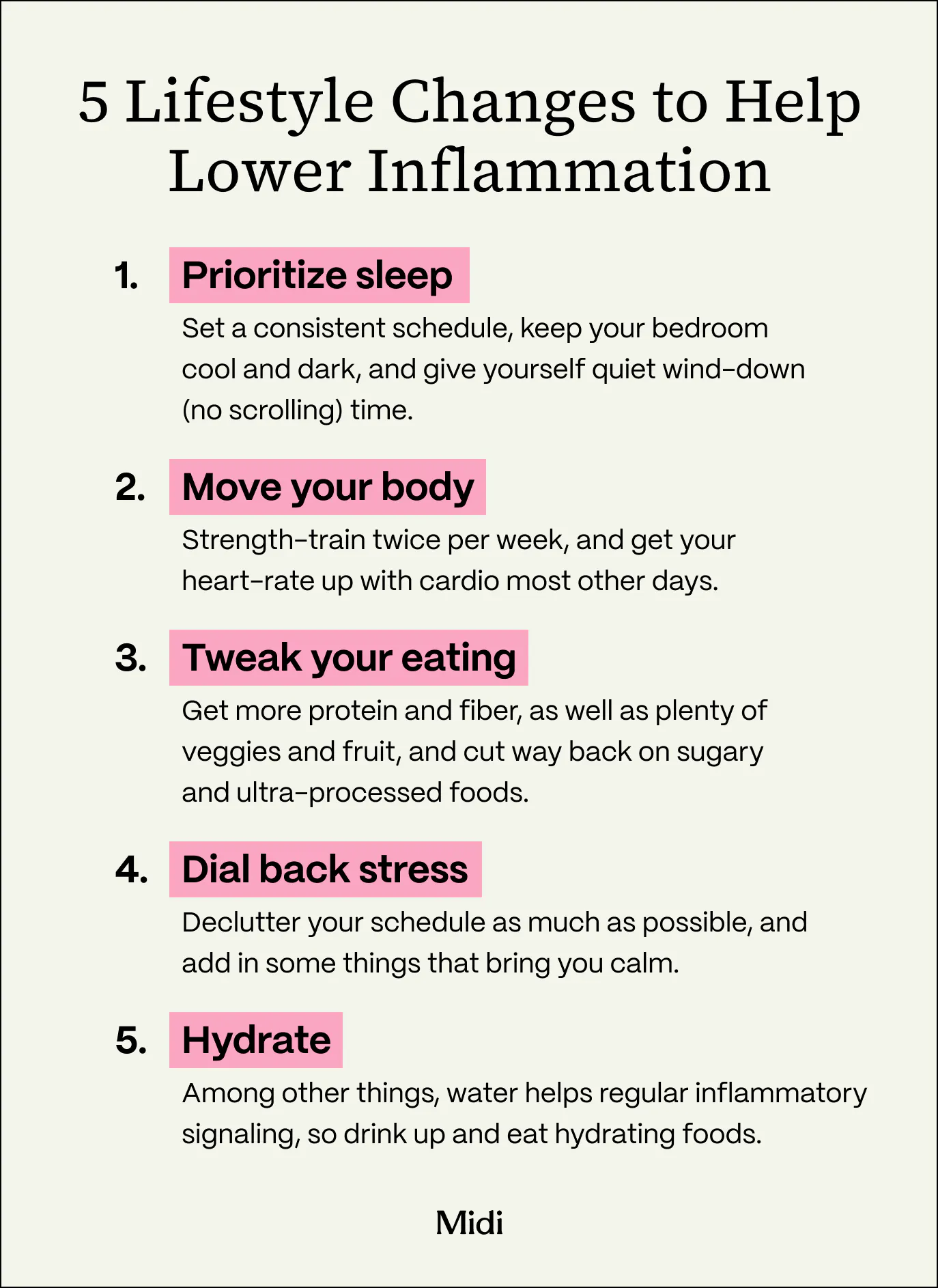
Treatment Options to Lower Inflammation Signals and Support Weight Goals
If inflammation is playing a role in how you feel—whether that’s puffiness, fatigue, cravings, or stubborn weight changes—the most effective approach isn’t a cleanse or a supplement. It’s a return to the fundamentals that reduce inflammation and support metabolic health:
- Sleep: Aim for a consistent sleep schedule; snooze in a cool, dark sleep environment; and make sure you get morning light exposure. Cut down on alcohol, especially in the hours before bed. If you snore loudly, wake up gasping, or feel unrefreshed despite adequate time in bed, talk with your clinician about screening for sleep apnea.
- Movement: Walking supports circulation and stress regulation, while strength training helps preserve muscle mass and improve insulin sensitivity. Even two strength sessions per week can make a meaningful difference.
- Nutrition: Focus on eating protein, fiber-rich vegetables and legumes, and whole foods, plus cutting way down on ultra-processed foods. This supports gut health and steadier blood sugar levels.
- Hydration: Staying adequately hydrated supports normal fluid regulation and may reduce scale fluctuations that sometimes get mistaken for fat gain.
- Mental well-being: Stress management should be realistic and sustainable. Short walks, structured breaks, therapy support, clearer boundaries, and reducing overload where possible can all help.
Can GLP-1 Medications Help With Inflammation?
For some women, lifestyle changes alone may not be enough — especially when hormonal shifts, insulin resistance, or significant weight gain are contributing to the cycle. This is where GLP-1 receptor agonists (medications like semaglutide and tirzepatide) may offer an additional benefit beyond weight loss.
GLP-1s work by mimicking a natural gut hormone that regulates appetite and blood sugar. But research suggests their effects go further: as these medications support meaningful weight reduction — particularly visceral (belly) fat—inflammatory signaling tends to decrease alongside it. Since fat tissue, especially around the abdomen, is itself a source of inflammatory molecules, reducing it can have a measurable impact on the body's overall inflammatory state.
Exploratory analyses from the STEP 1, 2, and 3 trials found that semaglutide 2.4 mg led to meaningful reductions in CRP — a key marker of systemic inflammation — and that those reductions tracked closely with weight and waist circumference changes. A 2024 systematic review and meta-analysis confirmed that semaglutide was consistently associated with lower CRP levels compared to placebo across multiple clinical trials.

GLP-1s aren't the right fit for everyone, and they work best alongside the lifestyle fundamentals described above. But if you've been struggling despite making consistent changes to sleep, diet, and movement, it may be worth asking your clinician whether a GLP-1 could be part of your plan.
A Practical 2-Week Reset Plan
If you’re not sure what’s driving changes on the scale, a short reset focused on the basics can help give you clarity. Think of this as a 2-week experiment—not a diet.
For 14 days, track three simple metrics: how many hours you sleep, how much you move each day, and what you’re eating (without making extreme cuts or restrictive rules). Aim for consistent meal timing; get enough protein at your meals, and add fiber-rich foods like beans, berries, and vegetables.
Include 2 strength-training sessions each week using a simple full-body routine, and get your body moving during the other days. During this trial window, consider reducing alcohol and avoiding late-night eating, both of which can disrupt sleep and contribute to temporary scale fluctuations.
After 2 weeks, look at trends rather than single days. Has your average weight shifted? Has your waist measurement changed? Do you feel less puffy, and have your cravings or energy levels changed? This information can help you figure out whether small lifestyle adjustments can get you where you want to be, or if it’s time to talk with a clinician for more personalized guidance.
Working With a Healthcare Professional: What to Ask and What to Bring
If you’re feeling stuck or unsure about what’s driving changes in your body, working with a clinician (like one at Midi Health) can help bring clarity. For a more productive and focused appointment, it helps to prepare.
Bring a simple summary of your recent trends: weekly average weight, waist measurements if you’ve taken them, and a brief symptom timeline. Note any menstrual changes, sleep disruptions, stress shifts, new meds, or changes in appetite. This context helps your clinician see patterns rather than isolated data points.

During your visit, it’s reasonable to ask, “Could this be fluid retention or a medication effect?” You can also ask whether metabolic screening or thyroid evaluation would be appropriate, depending on your symptoms.
If weight loss is one of your goals, discuss evidence-based options. A clinician can help you figure out which approaches are most appropriate for your body and health history.
At the appointment’s end, make a clear follow-up plan. What should you try first? When should you reassess? Are there labs that need to be repeated? Having a defined next step can ease anxiety and keep the focus on steady, realistic progress.
When to Seek Care—Red Flags
Most day-to-day fluctuations in weight are related to fluid shifts, sleep changes, diet patterns, or stress. However, certain symptoms warrant more urgent medical evaluation.
Seek care promptly if you experience:
- sudden swelling, along with shortness of breath or chest pain
- one-sided leg swelling, especially if accompanied by redness, warmth, or pain
- rapid, unexplained weight gain over just a few days—particularly if it comes with visible swelling
- severe fatigue, dizziness, or fainting
And if swelling persists beyond a week or 2, despite better hydration, more restful sleep, and attention to sodium intake, it’s appropriate to schedule a medical evaluation.
While most scale changes are not emergencies, knowing the difference between common fluctuations and concerning symptoms can help you act quickly when it truly matters.
Key Takeaways
- Inflammation can be linked to weight gain, but usually indirectly, through fluid retention, sleep disruption, stress, and metabolic changes.
- In midlife, perimenopause and menopause can amplify sleep disruption, stress responses, and muscle loss—all of which can influence inflammation and weight changes.
- The most effective way to lower inflammation is to focus on fundamentals: sleep, strength training, protein and fiber intake, stress regulation, and alcohol moderation.
- If weight gain is sudden, persistent, or accompanied by other concerning symptoms, a clinician can help rule out medical causes and create a personalized plan.
Frequently Asked Questions (FAQs)
Do you weigh more when you are inflamed?
It’s possible—but usually because of temporary fluid retention, not fat gain. Short-term inflammation can cause your body to hold onto water for a few days.
What are the 5 classic signs of inflammation?
The classic signs of acute inflammation are redness, heat, swelling, pain, and loss of function. These are protective reactions that happen after injury or infection, and they usually resolve on their own as the body heals. Chronic inflammation is different and often doesn’t have obvious visible signs.
How do you get rid of inflammation weight?
If it’s water retention, improving hydration, reducing excess sodium and alcohol, and prioritizing sleep can help. For longer-term changes tied to inflammation, focus on strength training, protein and fiber intake, steady sleep, and stress management rather than cleanses or detoxes.
What are the symptoms of too much inflammation in the body?
Chronic inflammation can show up as fatigue, joint discomfort, digestive changes, sleep disruption, or metabolic shifts. Persistent or concerning symptoms should be evaluated by a clinician.
What vitamins help fight inflammation?
There’s no single vitamin that “fixes” inflammation. Nutrients like vitamin D and omega-3s support overall health, but they work best alongside good sleep, movement, and balanced nutrition. Talk with a clinician before starting supplements.
If you’re in perimenopause or menopause and want guidance from clinicians who specialize in women’s midlife health, book a virtual visit with Midi today.
Hormonal change is at the root of dozens of symptoms women experience in the years before and after their period stops.
Our trained menopause specialists can help you connect the dots to guide you towards safe, effective solutions.
Whether you need personalized guidance or a prescription routine to tackle symptoms—including brain fog, hot flashes, sleep trouble, mood swings, and weight gain—we’ve got you covered. Learn more here.
Midi’s mission is to revolutionize healthcare for women at midlife, wherever they live and whatever their health story. We believe that starts with education, to help all of us understand our always-changing bodies and health needs. Our core values guide everything we do, including standards that ensure the quality and trustworthiness of our content and editorial processes. We’re committed to providing information that is up-to-date, accurate, and relies on evidence-based research and peer-reviewed journals. For more details on our editorial process, see here.