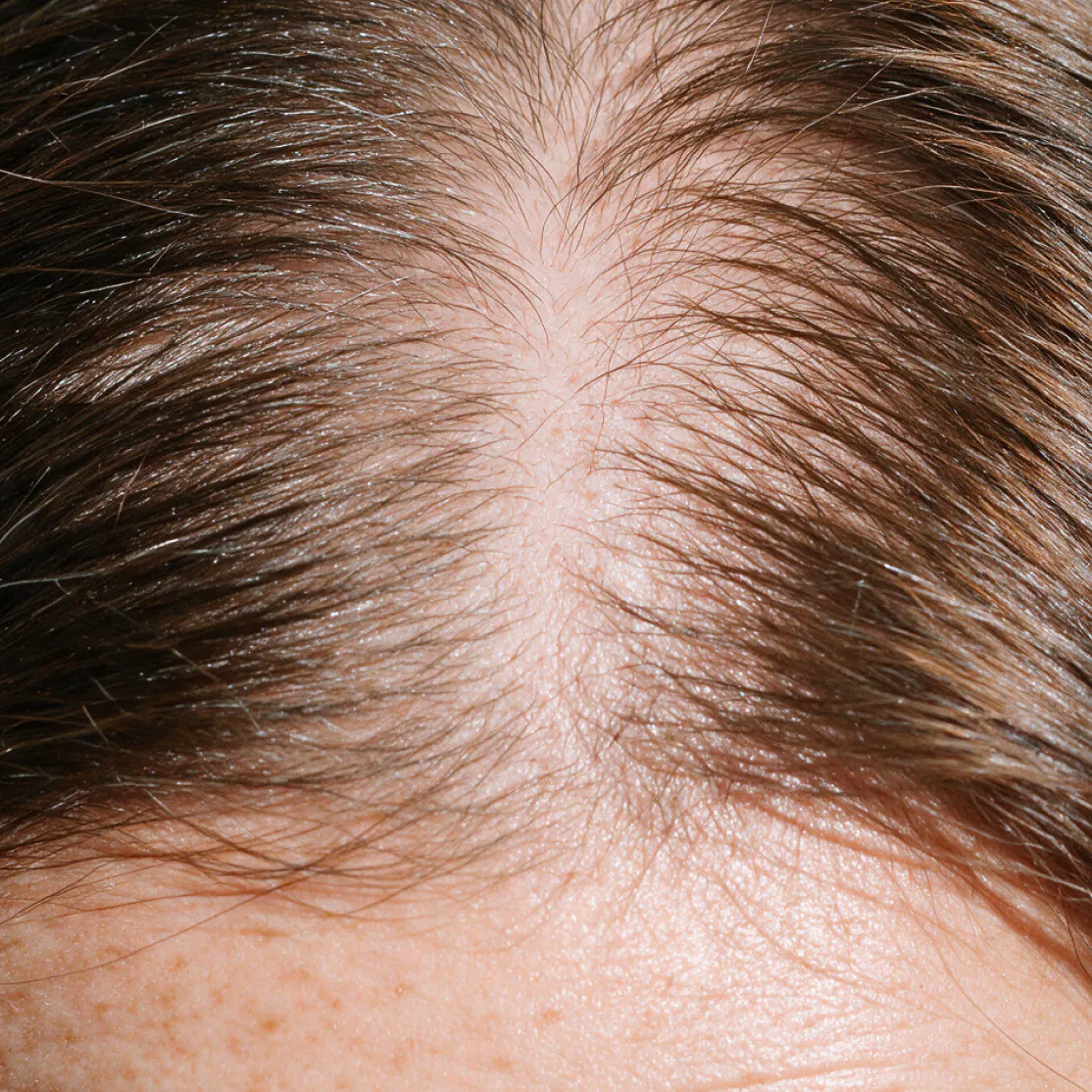

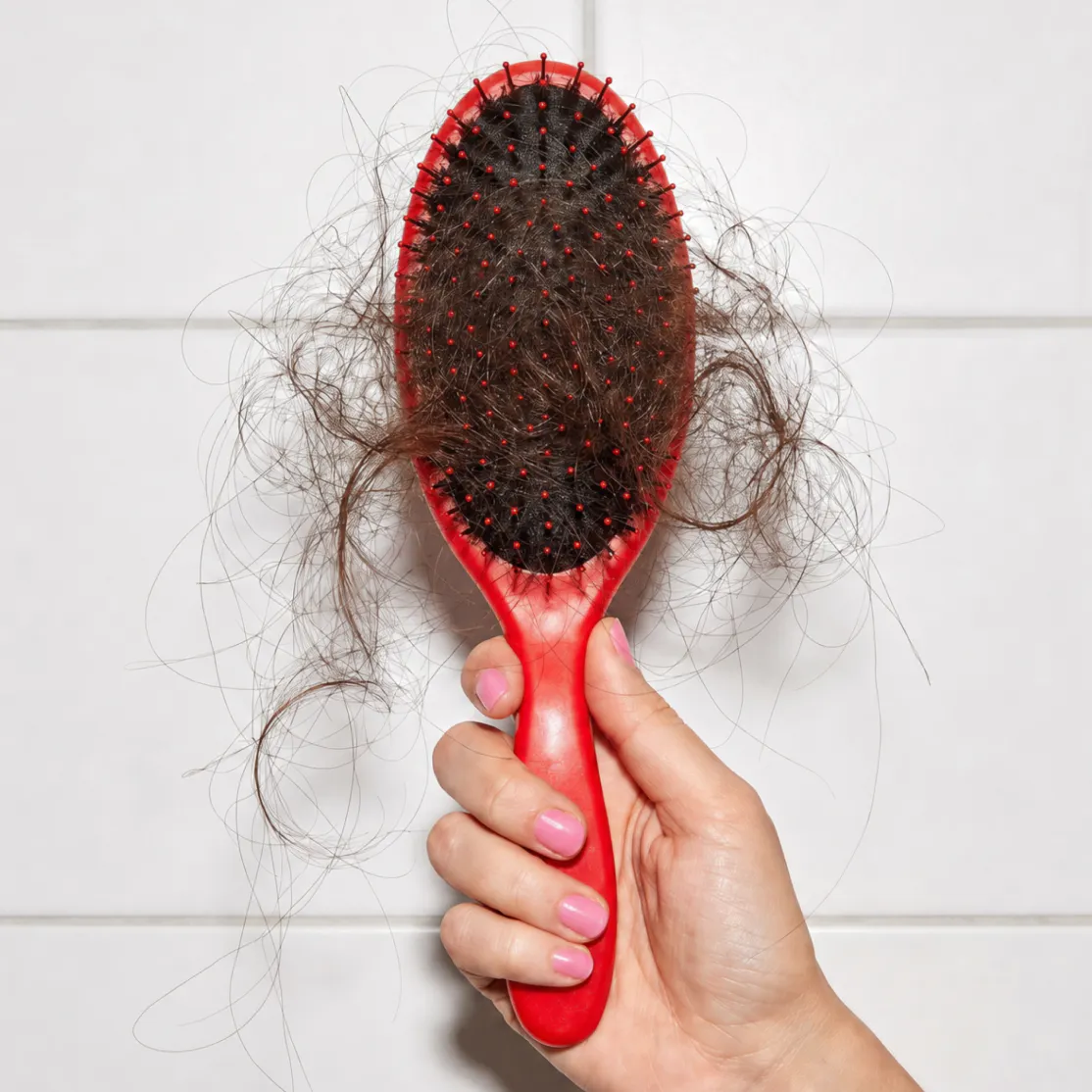
Hair thinning can sneak up on you, especially in midlife, when hormone shifts can affect everything from your mood and sleep to your skin and hair. Maybe your part looks a little wider or you have more shedding than usual. If you’re frustrated by the changes you’re seeing—trust us, we get it—know that you have options. Oral minoxidil for hair loss for women is one prescription treatment that may help support hair growth, but it’s not for everyone. The clinicians at Midi Health can help you understand what’s behind your hair loss, whether oral minoxidil might be a good fit, and what other options are available to help regrow your hair and keep your confidence intact.
Does your ponytail look less full than it used to? Or maybe you’ve noticed more strands of hair in your brush than usual. As many as 40% of women have visible hair loss by age 50, and for many, it can take a toll on their self-confidence.
Whether you’re noticing thinning, shedding, or a widening part, you may be wondering what you can actually do about it. Hair changes like these are common during the menopause transition, when shifting hormones can affect the hair growth cycle. And one treatment getting a lot of attention for hair loss in women is oral minoxidil.
Low-dose oral minoxidil can help with female-pattern hair thinning in some women. But unlike topical minoxidil, it requires a prescription and has potential side effects that mean it isn’t right for everyone.
Ultimately, a clinician—like the women’s health specialists at Midi—can help decide whether oral minoxidil for hair loss is a good fit for you. Keep reading to learn more about oral minoxidil for women, including how it works, potential side effects, dosing options, and what to expect if you’re considering treatment.
What Is Oral Minoxidil?
Minoxidil is actually a prescription medication for high blood pressure. It works by relaxing blood vessels so that blood can flow more easily. But some people noticed an unusual side effect when taking minoxidil for high blood pressure: increased hair growth. That unexpected side effect is what led to minoxidil being prescribed for hair loss, too.
You may already be familiar with topical minoxidil, an over-the-counter hair loss treatment that you apply directly to the scalp. Oral minoxidil is a prescription medication taken as a pill that clinicians may prescribe to help with hair thinning and shedding. When prescribed for hair loss, the dose is far lower than when used for blood pressure.
Oral minoxidil side effects are less likely at the low doses used to treat hair loss. But side effects can still happen (more on those below). That’s why oral minoxidil requires a prescription and a clinician’s guidance.
How Does Low-Dose Oral Minoxidil Work for Hair Loss?
Everyone’s hair responds differently, but oral minoxidil before and after photos typically show hair regrowth along previously widening parts, as well as thicker, denser hair.
Here’s why that happens: Minoxidil widens blood vessels, allowing blood to circulate more easily throughout your body, including your scalp. This can boost blood flow around your hair follicles, delivering more oxygen and nutrients that support hair growth.
Minoxidil may also work directly on your hair follicles. Oral minoxidil has been shown to prolong the anagen phase (when hair actively grows) of the hair growth cycle and shorten the telogen phase (when hair rests), resulting in thicker, longer strands.
This isn’t a quick fix, though: It often takes at least 3 to 6 months to see results from oral minoxidil for hair loss. Plus, continued use is needed to maintain its benefits. If you stop, hair loss may gradually return.
Why Hair Thinning Worsens in Perimenopause and Menopause
Hormone changes during perimenopause and menopause can show up in your hair. Many women notice hair thinning or less density during this time.
And it’s not all in your head: Estrogen supports active hair growth, so declining levels during the menopause transition may contribute to hair thinning. If you’re experiencing female-pattern hair loss, you’ll usually notice a widening part, diffuse thinning across your scalp, and less volume overall, especially on the top or crown of your head.
Bald patches aren’t common with female-pattern hair loss, though. That could be a sign of other concerns, such as thyroid disease, the autoimmune disease alopecia areata (which causes patchy hair loss), or even an iron deficiency. A clinician can help determine what’s most likely to be causing your hair thinning.
These concerns are common and worth bringing up with a clinician, like one of the specialists at Midi, sooner rather than later. They can help determine what’s causing your hair thinning and walk you through treatment options. Oral minoxidil may help stimulate hair growth, for example, but it won’t address an underlying cause like an iron deficiency, which may require dietary changes or an iron supplement.

Oral Minoxidil for Women: Who Might Be a Candidate?
So, who might consider oral minoxidil for hair loss?
For starters, it may be an option if you have a widening part, hair thinning at the top of your head, or other signs of female-pattern hair loss. A clinician may also consider the oral version if topical minoxidil didn’t lead to noticeable improvement, irritated your scalp, or was hard to keep up with.
You shouldn’t use oral minoxidil if you are pregnant, breastfeeding, or planning to get pregnant because it may be harmful to a developing baby or nursing infant.
It’s also usually not recommended to older adults who have a higher risk of heart attack, heart failure, kidney failure, or severe high blood pressure. And because oral minoxidil can affect your blood pressure and heart rate, be sure to let your clinician know if you have any cardiovascular concerns.
That’s a big part of why the decision about whether or not to try oral minoxidil should be made after a proper evaluation from a clinician.
Oral vs. Topical Minoxidil: What’s the Difference?
There isn’t much research directly comparing oral versus topical minoxidil. But in one small study of women with female-pattern hair loss, both worked similarly well after 6 months.
The process is different, of course: Some women find it more convenient to take a pill daily. For topical treatment, you typically apply minoxidil directly to your scalp once or twice per day, depending on the product.
Potential side effects differ, too. Topical minoxidil may cause scalp irritation or redness, which can make it harder to stick with the treatment. Oral minoxidil can potentially cause side effects throughout the body because you take it by mouth. For example, changes in blood pressure and heart rate are possible, but because the minoxidil dose you take for hair loss is a fraction of that used for hypertension, these side effects are rare.
You may also notice increased hair growth on the face or body, but this can typically be managed with a bit more attention to your usual hair removal strategy. And both oral and topical minoxidil can temporarily increase hair shedding before hair begins to regrow. (More on this later.)
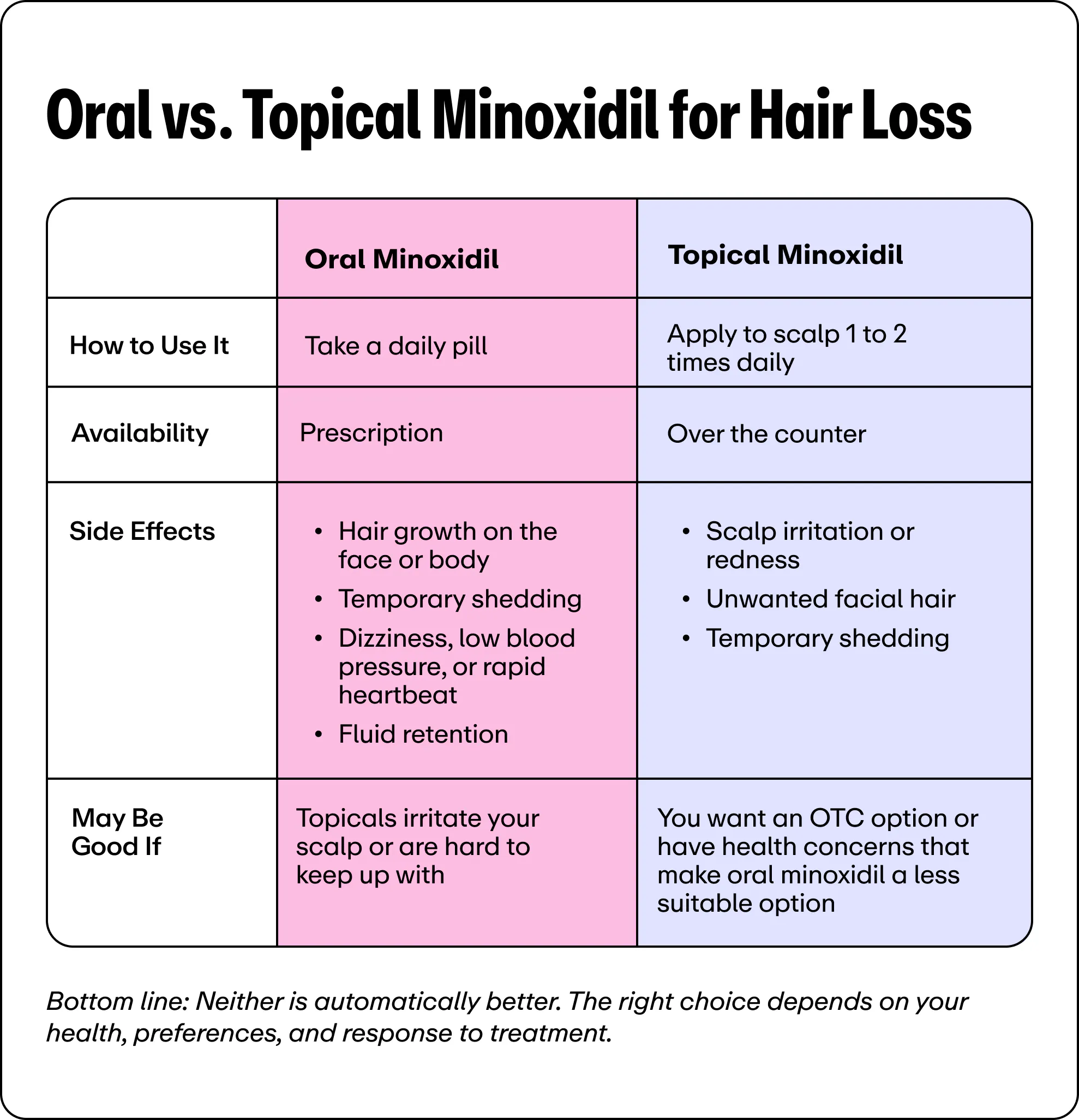
The best choice depends on your health, how you respond to treatment, and what works best for your routine. A clinician can help you decide whether topical minoxidil, oral minoxidil, or another treatment is right for you.
For example, your clinician might consider Midi’s once daily topical Hair Regrowth Serum, which combines minoxidil with other active ingredients to promote hair growth.

Oral Minoxidil Side Effects and Safety Considerations
Like any medication, oral minoxidil can cause side effects. Most are manageable, but because the medication works throughout your body, it’s important to know what to watch for.
Potential oral minoxidil side effects include:
- Temporary hair shedding: Some women notice more shedding at first, before hair growth starts to improve.
- Unwanted hair growth: Oral minoxidil can cause hypertrichosis, or extra hair growth on the face or body. This is more common with higher doses.
- Dizziness or low blood pressure: Because oral minoxidil can lower blood pressure, you may experience hypotension and dizziness, especially when you stand up. Some clinicians recommend taking oral minoxidil before bed to reduce this risk.
- Fluid retention: The oral medication can make you retain water, which may lead to swelling. If you notice severe or sudden swelling in your feet or ankles, talk with a clinician right away.
- Rapid heartbeat: Some women experience a rapid heartbeat, called tachycardia, while taking minoxidil—but this is also rare, occurring in less than 2% of patients. Let your clinician know if you notice your heart beating unusually fast or pounding while taking it.
Typically, your clinician will ask you to have your baseline blood pressure and pulse measured before you start oral minoxidil for hair loss, or they’ll ask about recent results. After you start treatment, you may check in with your clinician every few months or so to monitor how you’re responding and discuss any side effects that you notice. Regular check-ins can help catch and manage potential side effects early.
Oral Minoxidil Dosage and What to Expect
When oral minoxidil is used for hair loss, the dose is much lower than what’s typically prescribed to manage blood pressure, and so there tends to be few side effects. When used in patients with hypertension doses range from 10 to 40 mg or as much as 100 mg per day.
Low-dose oral minoxidil for women typically ranges from 0.25 to 2.5 milligrams per day. Interestingly, doses higher than 2.5 mg once a day have not been associated with greater hair growth, but can be associated with more side effects.
Your clinician will determine the right dose for you. You’ll likely start with a low dose so your clinician can see how you respond. From there, they may adjust your dose over time, which is another reason regular check-ins are important.
After about 2 to 4 weeks of daily use, you might notice you’re shedding more hair than usual. (About 1 in 5 of patients will experience this shedding.) Essentially, minoxidil gets rid of existing hair to make way for healthy new hair to grow in. The good news is that extra shedding typically resolves on its own after about 6 weeks of daily use, according to the American Academy of Family Physicians. It can take several months to see how well oral minoxidil works for you, so consistency is important. Keep taking it as prescribed, and let your clinician know if you have side effects or concerns along the way.

How Oral Minoxidil Is Prescribed and Monitored
When you first meet with a clinician to discuss hair loss, they’ll ask about your medical history and whether hair loss runs in your family. Depending on what they think might be causing your hair loss, your clinician may order blood work or other tests.
If oral minoxidil is an option, they’ll consider factors like whether you have heart disease, kidney disease, or high blood pressure, and whether you’re pregnant or planning to become pregnant. They’ll also review any medications, including supplements, you’re taking to check for potential interactions.
Once you start treatment, follow-up visits give you and your clinician a chance to see how your hair is responding, discuss any side effects, and adjust your dose or treatment plan if needed.
Oral minoxidil is just one hair loss treatment option among many that your clinician may consider. You might need to try a handful before you land on something that works best for you.
When to Talk With a Clinician About Midlife Hair Loss
If you’re concerned about thinning, shedding, or other hair changes in midlife, talk with a clinician. Hair loss treatments tend to work best when you start them early.
During your visit, you can ask questions like:
- What type of hair loss do I have?
- Do I need any tests to figure out what’s causing it?
- Could oral minoxidil help my hair loss?
- What’s the best treatment option for me?
Midi clinicians specialize in midlife women’s health. They can review your hair changes alongside hormone shifts that happen during the menopause transition. They can also evaluate your hair loss, prescribe oral minoxidil if appropriate, monitor your response, and refer you to a dermatologist or another specialist if needed.
If you have other perimenopause symptoms, like hot flashes or sleep problems, your clinician may discuss whether hormone therapy can help. But hair changes alone are not generally a reason to start hormone therapy.
There’s a lot to consider when deciding whether oral minoxidil for hair loss is right for you. Midi clinicians are here to bring clarity to the conversation and walk you through your next steps.
Key Takeaways
- Oral minoxidil is an off-label prescription medication that can help with female-pattern hair loss, which often shows up as a widening part or thinning on the top of your head. It may be an option if topical minoxidil hasn’t worked well for you, irritates your scalp, or is hard to keep up with.
- The medication works by improving blood flow around hair follicles and prolonging the active growth phase of the hair cycle. It can take several months to see results, such as thicker or longer hair, and you may need to keep taking oral minoxidil to maintain the benefits.
- Oral minoxidil side effects may include unwanted hair growth, dizziness or low blood pressure, fluid retention, and a rapid heartbeat. Because oral minoxidil can affect your blood pressure and heart rate, it requires a prescription and clinician guidance.
- Hair loss can have many causes, including hormone changes during the menopause transition. A clinician, like the specialists at Midi, can help figure out what’s behind your hair changes and whether oral minoxidil for hair loss—or another treatment—is right for you.
Frequently Asked Questions (FAQs)
Is oral minoxidil safe for your kidneys?
Low-dose oral minoxidil is generally considered safe for people with healthy kidneys. But if you have kidney disease, oral minoxidil may increase your risk of fluid retention, which can show up as swollen feet, ankles, or weight gain.
How much does oral minoxidil cost?
Oral minoxidil may cost around $10 to $30, though it varies. A 2.5-milligram tablet typically costs $0.43 to $1.03, or about $12.90 to $30.90 for 30 tablets, according to a 2025 study in the Journal of the American Academy of Dermatology. Your actual cost depends on your pharmacy and insurance.
Does oral minoxidil cause weight gain?
It may, indirectly. Oral minoxidil can cause fluid retention, making your body hold onto more water than usual. That extra fluid can show up as weight gain on the scale. Tell your clinician if you notice sudden weight gain or swelling while taking oral minoxidil.
Can you take oral minoxidil with HRT or other menopause treatments?
You may be able to take oral minoxidil with hormone therapy or other menopause treatments if your clinician gives you the OK. It depends on your health history and other medications you take.
Do you have to take oral minoxidil forever?
Generally, you have to keep taking oral minoxidil to maintain the benefits. If you stop, you may notice your hair loss return.
If you’re in perimenopause or menopause and want guidance from clinicians who specialize in women’s midlife health, book a virtual visit with Midi today.
Hormonal change is at the root of dozens of symptoms women experience in the years before and after their period stops.
Our trained menopause specialists can help you connect the dots to guide you towards safe, effective solutions.
Whether you need personalized guidance or a prescription routine to tackle symptoms—including brain fog, hot flashes, sleep trouble, mood swings, and weight gain—we’ve got you covered. Learn more here.
Midi’s mission is to revolutionize healthcare for women at midlife, wherever they live and whatever their health story. We believe that starts with education, to help all of us understand our always-changing bodies and health needs. Our core values guide everything we do, including standards that ensure the quality and trustworthiness of our content and editorial processes. We’re committed to providing information that is up-to-date, accurate, and relies on evidence-based research and peer-reviewed journals. For more details on our editorial process, see here.