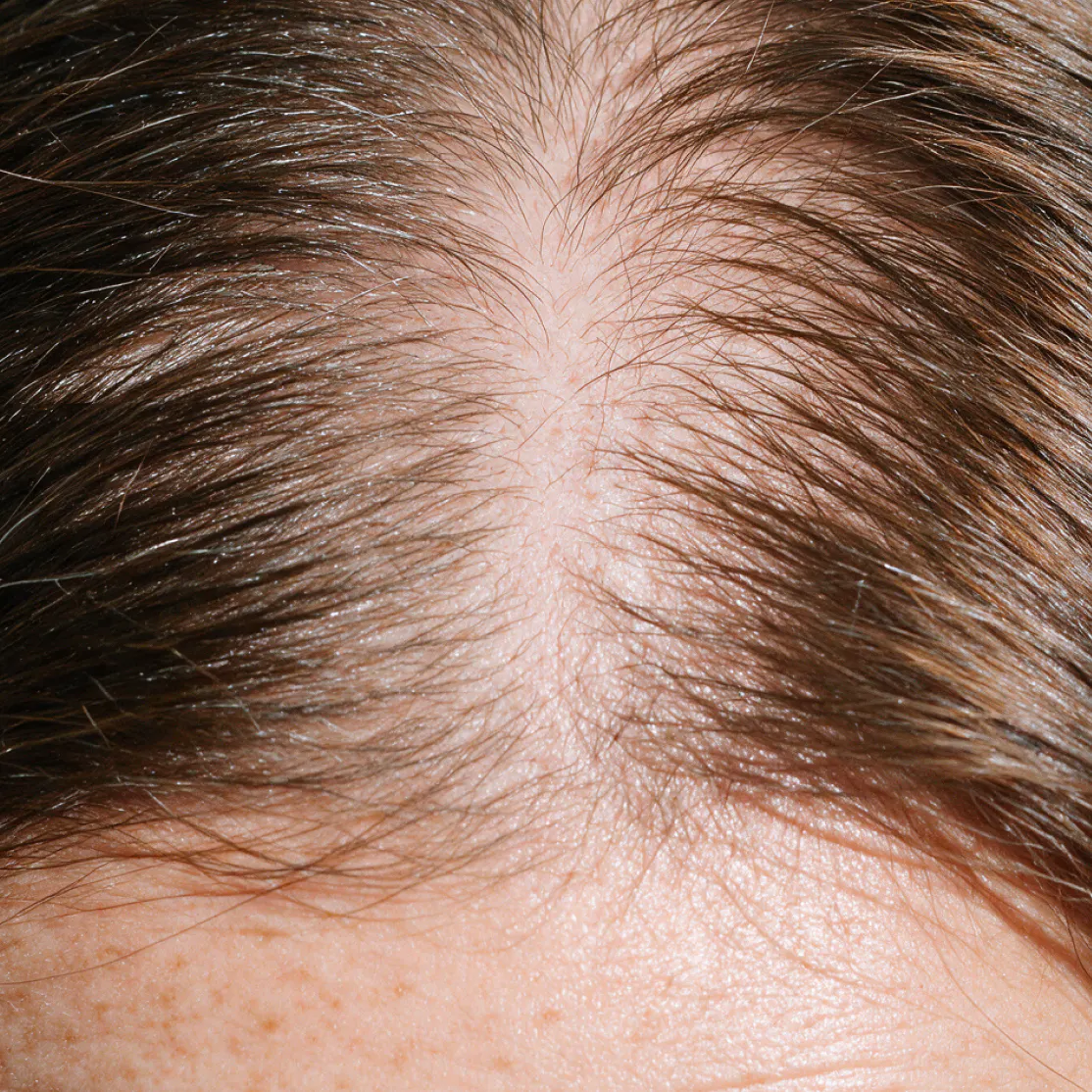


What do heart failure, hormonal acne, and thinning hair have in common? They can all be treated with spironolactone. Though it's FDA approved for high blood pressure and heart failure only, spironolactone is commonly prescribed off-label for hormonal concerns, especially during perimenopause.
But how can one medication help treat so many issues? We’ll break down how spironolactone works, its potential side effects, and why it has become a go-to treatment for some midlife women. At Midi Health, our menopause-trained clinicians can help you decide whether spironolactone is right for you.
A blood pressure medication that also treats hormonal acne and hair thinning? Yep, that's spironolactone, or “spiro” for short on TikTok.
Spironolactone is a prescription water pill that helps your body get rid of excess salt and fluid. But it has another benefit: It limits the effects of certain hormones that can contribute to acne, unwanted facial hair, and thinning hair.
That can be especially welcome news during perimenopause, when hormonal changes can affect your hair and skin, leaving you looking for answers. But is spironolactone right for you? And what about those warnings about potassium and kidney health?
We’ve got you covered with a closer look at common spironolactone uses, dosage, and possible side effects, plus how it may fit into your care during perimenopause and menopause.
What Is Spironolactone?
Spironolactone is a prescription potassium-sparing diuretic (water pill) used to treat high blood pressure, certain types of heart failure, and fluid retention. It helps your body get rid of excess salt and water while holding on to potassium.
But spironolactone isn't your typical water pill. It also works as an anti-androgen by limiting the effects of hormones like testosterone, which women produce, too. This helps explain why it's also prescribed off-label for hormonal acne, hair thinning, and unwanted facial hair growth.
You may see spironolactone sold under the brand names Aldactone (tablets) and CaroSpir (liquid). It's also available as generic tablets in strengths of 25 milligrams (mg), 50 mg, and 100 mg.
What Is Spironolactone Used For? FDA-Approved Uses
Originally approved by the FDA in 1960, spironolactone is used to treat several conditions involving blood pressure, heart function, and fluid retention. Here's a closer look at its main uses:
- Heart failure: It helps reduce fluid buildup and can improve survival in certain people with heart failure, as shown in a landmark clinical trial.
- High blood pressure (hypertension): It helps lower blood pressure by reducing excess salt and fluid in the body. It may be prescribed alongside other medications, especially when blood pressure is difficult to manage.
- Fluid retention (edema): It reduces swelling caused by conditions such as heart failure, liver cirrhosis, and nephrotic syndrome, a kidney condition that causes excess protein to leak into urine.
- Primary hyperaldosteronism: It treats a condition that happens when the adrenal glands produce too much aldosterone, a hormone that helps regulate salt, water, and potassium levels.
But Aldactone uses don't end with these FDA-approved conditions. A clinician may also prescribe it to help manage low potassium levels in certain situations, although this isn't a separately listed FDA-approved use.
Off-Label Uses of Spironolactone in Women
“Off-label” might sound a little concerning, but it's actually a common medical practice that means prescribing a medication for a condition it wasn't FDA approved to treat. That doesn't mean the medication doesn't work or isn't safe. It just means the FDA hasn't specifically approved it for that use.
For women, clinicians often prescribe spironolactone off-label for skin and hair concerns linked to hormones like testosterone, including:
- Hormonal acne: Spironolactone targets excess oil production to help reduce breakouts, especially around the chin and jawline. This can be particularly helpful during perimenopause, when shifting hormones may trigger acne.
- Female pattern hair loss: It may slow hair loss or thinning and, in some women, support new hair growth.
- Hirsutism (unwanted facial or body hair): The medication helps reduce unwanted hair growth on the chin, chest, or other areas of the body.
- Polyendocrine metabolic ovarian syndrome (PMOS, formerly known as polycystic ovary syndrome, or PCOS): It can help women with PMOS manage androgen-related symptoms, including acne, excess facial or body hair, and hair thinning.
One thing to keep in mind: Spironolactone isn't an overnight fix. You may start seeing improvements in acne after a few months, but changes in unwanted hair growth or hair thinning can take 6 months or longer. Results vary depending on what you're treating.
How Does Spironolactone Work?
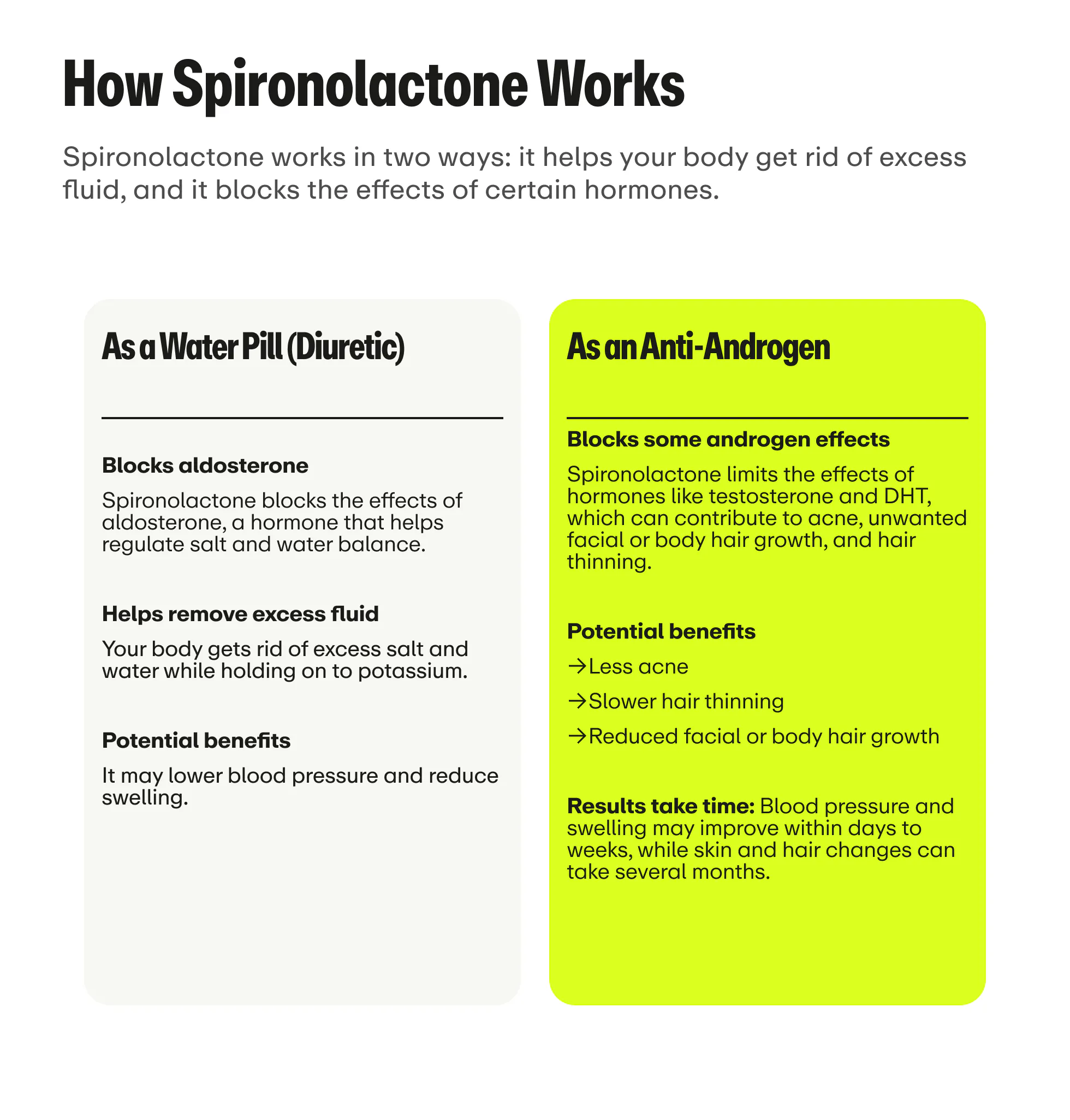
So, what does spironolactone do, exactly? It works in two ways: helping your body get rid of excess fluid while also blocking the effects of certain hormones.
First, spironolactone counteracts aldosterone, a hormone that helps regulate blood pressure and fluid balance. This allows your body to get rid of excess salt and water through urine, while holding on to more potassium. The result? It can help lower blood pressure and reduce swelling caused by fluid buildup, but it can also raise potassium levels in your blood.
Spironolactone also works as an anti-androgen, meaning it blocks some of the effects of hormones like testosterone and dihydrotestosterone (DHT). Androgens affect both oil production and hair growth, but their effects can differ depending on where hair grows. For example, they can encourage unwanted body hair growth while causing hair follicles on the scalp to shrink, leading to thinning. By blocking these effects, spironolactone may help reduce excess oil and acne, slow hair loss, and limit unwanted facial or body hair growth.
The effects don't all happen at the same pace, though. Blood pressure and fluid retention may improve within days to weeks, while skin and hair changes typically take several months.
Spironolactone Dosage Basics
Your spironolactone dosage depends on why you're taking it and how you respond to treatment. For hormonal acne, hair thinning, or unwanted facial hair, clinicians typically prescribe 50 to 200 mg daily, sometimes starting as low as 25 mg. For high blood pressure, heart failure, or fluid retention, doses vary by condition, often falling between 25 and 200 mg daily, though some people need higher doses.
Spironolactone comes as oral tablets (generic spironolactone or the brand name Aldactone) and a liquid suspension (CaroSpir). You can't always switch between tablets and liquid at the same dose, so it's important to follow your prescription instructions.
Most people take spironolactone once or twice daily. Because it can make you urinate more often, taking it earlier in the day may help prevent nighttime bathroom trips. According to the prescribing information, you can take spironolactone with or without food, but you should take it the same way each day. Your clinician may start with a lower dose and adjust it based on your response, side effects, and blood test results.
For skin and hair concerns, treatment often continues for months or even years, as long as it's helping and you tolerate it well. The same may be true for chronic conditions like high blood pressure or heart failure.
The bottom line? Follow your prescription label, and check with your clinician or pharmacist if you miss a dose or have questions about when to take it. Don't change your dose or stop treatment without their guidance.

Side Effects of Spironolactone
Spironolactone is generally well-tolerated, but it can cause side effects, including some linked to hormonal changes. Common spironolactone side effects in women include:
- increased urination
- headaches
- dizziness, lightheadedness, or drowsiness
- nausea, diarrhea, or stomach pain
- breast tenderness or swelling
- irregular periods or spotting
- decreased sex drive (libido)
Because spironolactone blocks some of testosterone's effects to help treat hair loss and other hormone-related concerns, taking testosterone therapy alongside it may work against those benefits.
Some less common but more serious risks include dehydration, low blood pressure, kidney problems, and high potassium levels (hyperkalemia). While high potassium may not cause noticeable symptoms, it can sometimes affect your heart rhythm.
Contact your clinician if you experience dizziness, muscle weakness, or other concerning symptoms. Seek emergency care for fainting; a rapid or irregular heartbeat accompanied by symptoms; or signs of a severe allergic reaction, such as trouble breathing or facial swelling.
It's also important to note that spironolactone carries an FDA warning because it caused tumors in animal studies at doses higher than those typically used in humans. But a review found that spironolactone wasn't associated with a substantially increased risk of cancer in humans. As with any medication, talk with your clinician about its potential risks and benefits.
Potassium and Kidney Monitoring on Spironolactone
Spironolactone helps your body retain potassium, so levels can sometimes climb too high, especially if you have kidney problems or take certain medications. High potassium (hyperkalemia) and worsening kidney function are potential risks, which is why monitoring is so important.
Your clinician will typically check your potassium levels and kidney function before you start spironolactone. They'll repeat these tests throughout treatment, especially after dose changes, and they’ll adjust your medication if needed. How often you need testing depends on your health and treatment plan. For example, if you're generally healthy and taking spironolactone for acne, you may not need frequent blood tests.
Some medications, including ACE inhibitors for high blood pressure and anti-inflammatory pain relievers like ibuprofen, can increase the risk of high potassium. Potassium supplements and salt substitutes that contain potassium can also be a concern, so check with your clinician before using them.
But remember, routine monitoring is a normal part of safe treatment, not necessarily a sign that something's wrong. A clinician, like the ones at Midi, can help you stay on top of testing while making sure spironolactone is working for you.

Who Shouldn’t Take Spironolactone?
Spironolactone isn't right for everyone. Some health conditions and medications can make it unsafe, so it's important to talk with your clinician about your medical history before starting treatment.
Generally, you shouldn't take spironolactone if you:
- have high potassium levels (hyperkalemia)
- have Addison's disease, a condition where the adrenal glands don't produce enough of certain hormones
- have severe kidney problems, especially if your kidneys aren't producing urine
- are pregnant or planning to conceive, since spironolactone may affect a baby's development, particularly in males
- are allergic to spironolactone or take another potassium-sparing diuretic
If you could become pregnant, talk with your clinician about birth control options while taking spironolactone. And if you're breastfeeding, check with your clinician to make sure it's safe for you and your baby.
Some people, including older adults and those with kidney or liver disease or diabetes, may need extra precautions or monitoring. The same goes if you take certain blood pressure medications or potassium supplements.
A clinician, like the ones at Midi, can help you weigh the benefits and risks based on your health and treatment goals.
Spironolactone in Perimenopause and Menopause
Seeing more acne along your jaw, stubborn chin hairs, or hair thinning around your part? These changes can become more noticeable during perimenopause and menopause, when estrogen levels decline and androgens like testosterone can have a bigger effect on your hair and skin.
That’s where spironolactone comes in. Thanks to its anti-androgen effects, spironolactone can help manage these concerns, either on its own or with other treatments.
Depending on your symptoms, your clinician may recommend topical tretinoin for acne, topical or oral minoxidil for hair loss, or other hair growth treatments, like Midi’s Hair Regrowth Serum. You may also be able to use spironolactone alongside hormone therapy for symptoms like hot flashes, but the right combination depends on your health and treatment goals.
Midi’s clinicians are trained in women’s health and can help you decide whether spironolactone belongs in your Care Plan. They can review your symptoms and health history; weigh your options; and recommend a personalized approach to caring for your skin, hair, and more.
Key Takeaways
- Spironolactone is a potassium-sparing diuretic (water pill) that's FDA approved to treat high blood pressure, certain types of heart failure, and fluid retention.
- Clinicians may also prescribe spironolactone off-label for hormonal acne, unwanted facial or body hair, and hair thinning, which can become more noticeable during the menopause transition. It works as an anti-androgen, blocking some of the effects of hormones like testosterone.
- Spironolactone isn't a quick fix for skin and hair concerns. Acne may improve within a few months, while changes in hair growth or thinning can take 6 months or longer.
- Common spironolactone side effects in females include increased urination, dizziness, breast tenderness, and irregular periods. Spironolactone can also raise potassium levels and affect kidney function, so your clinician may recommend blood tests to monitor these risks.
Frequently Asked Questions (FAQs)
What should you avoid while taking spironolactone?
Avoid potassium supplements and salt substitutes containing potassium, unless your clinician says they're safe. Some medications, including certain blood pressure drugs and pain relievers like ibuprofen, can also raise your potassium levels. Depending on your health, you may need to limit potassium-rich or high-sodium foods. Check with your clinician about what's safe for you.
Why is spironolactone a high-risk drug?
Spironolactone isn't considered high risk for everyone, but it can cause serious side effects, including high potassium (hyperkalemia) and worsening kidney function, especially if you have kidney problems. That's why your clinician will typically monitor your potassium levels and kidney function with blood tests during treatment.
Is spironolactone a weight loss pill?
No. Spironolactone isn't a weight loss medication, but it can cause temporary weight loss by helping your body get rid of excess fluid. This is water weight, not body fat.
Does spironolactone cause weight gain?
No, weight gain isn't a common side effect of spironolactone. In fact, because it's a diuretic, it may cause temporary water weight loss. If you notice sudden or unexplained weight gain while taking spironolactone, talk with your clinician.
How long does it take spironolactone to work?
It depends on what you're treating. Blood pressure and fluid retention may improve within days to weeks. You may notice acne improvements within 3 months, while hair thinning or unwanted hair growth can take 6 months or longer.
If you’re in perimenopause or menopause and want guidance from clinicians who specialize in women’s midlife health, book a virtual visit with Midi today.
Hormonal change is at the root of dozens of symptoms women experience in the years before and after their period stops.
Our trained menopause specialists can help you connect the dots to guide you towards safe, effective solutions.
Whether you need personalized guidance or a prescription routine to tackle symptoms—including brain fog, hot flashes, sleep trouble, mood swings, and weight gain—we’ve got you covered. Learn more here.
Midi’s mission is to revolutionize healthcare for women at midlife, wherever they live and whatever their health story. We believe that starts with education, to help all of us understand our always-changing bodies and health needs. Our core values guide everything we do, including standards that ensure the quality and trustworthiness of our content and editorial processes. We’re committed to providing information that is up-to-date, accurate, and relies on evidence-based research and peer-reviewed journals. For more details on our editorial process, see here.