

 Rebecca Yee, MD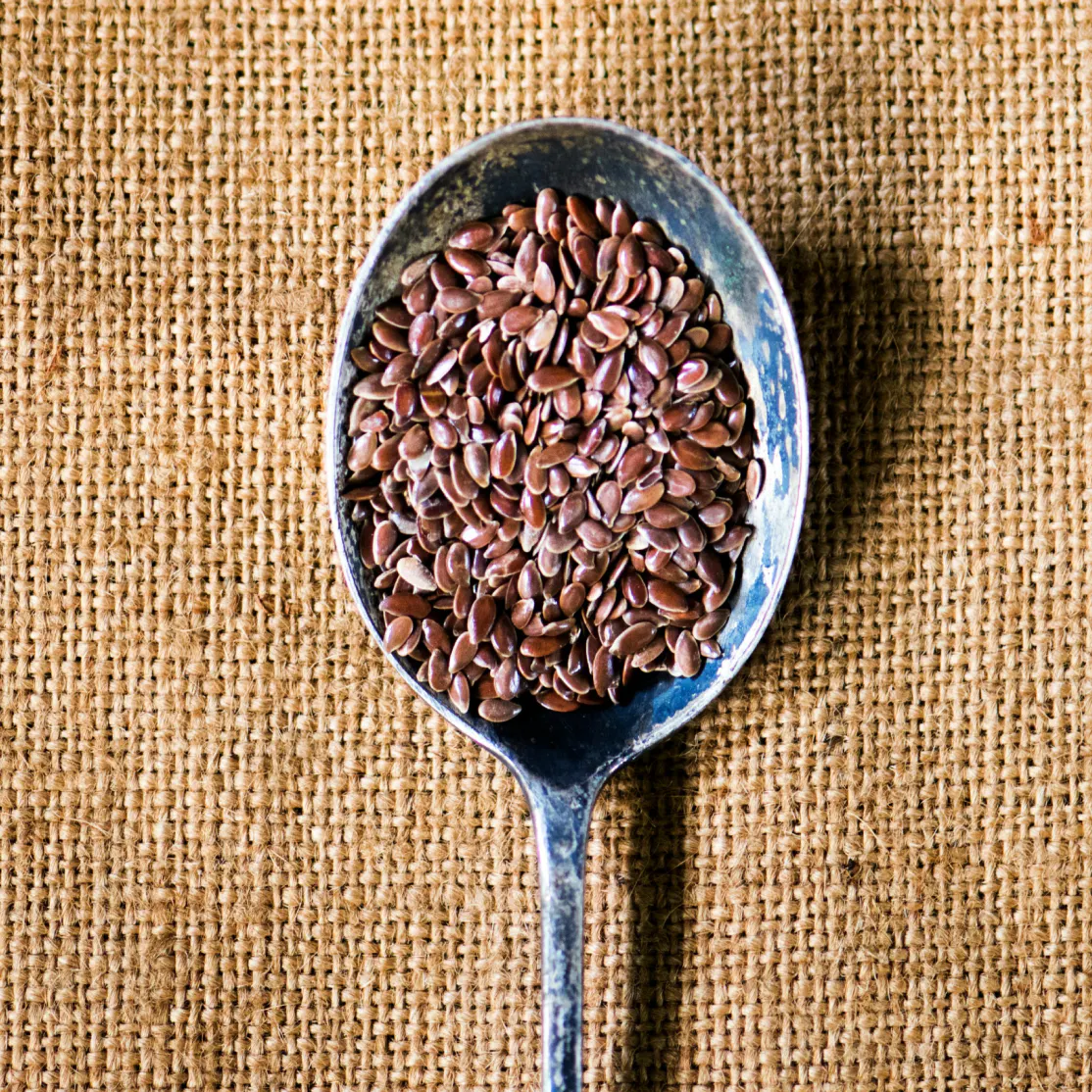
Just as you're getting used to managing one menopause symptom, like hot flashes, you might find yourself facing another: your cholesterol. If your clinician tells you they’re worried about your levels, you may find yourself looking for supplements to lower cholesterol. Whether your cholesterol levels are borderline or high, your next step is to follow a treatment plan to get your numbers back in range. If you're wondering whether supplements can help lower cholesterol during menopause, talk with a healthcare professional, such as a Midi Health clinician, to determine which approach might be best for you.
Menopause can bring some seriously unwanted risks, including a greater risk of heart disease. As estrogen levels take a dip, the way your body handles lipids (fats) in your blood does a 180: Total cholesterol, “bad” LDL cholesterol, and triglycerides rise, while “good” HDL cholesterol becomes less effective in protecting the heart. These changes can contribute to a buildup of plaque in your arteries, increasing the risk of heart attack and stroke.
Given that heart disease remains the leading cause of death for women, it’s a good idea to figure out how you can reduce your risk. This sounds intense, but don’t panic: There are lots of powerful moves you can make to keep your heart healthy, with one being keeping your cholesterol levels in check.
Lifestyle changes and prescription treatment are cornerstones of cholesterol reduction. But if you’re also curious about supplements to lower cholesterol, we’ll go over some of the more popular options that may support your heart-healthy goals—and the ones that may not. Most importantly, you’ll learn about the next steps you can take to get healthy cholesterol levels in menopause.
Supplements to Lower Cholesterol: What May Help, What May Not
Many products claim to be cholesterol-lowering supplements, but the evidence is mixed. Some of the supplements you hear about may include:
- Plant sterols/stanols: Also known as phytosterols, these plant compounds lead to natural cholesterol lowering by mimicking cholesterol in the body.
- Soluble fiber: One of the main types of fiber, soluble fiber pulls in water and gels up during the digestive process. This keeps fats from being absorbed, which helps lower cholesterol.
- Flaxseed: Tiny, nutrient-dense flaxseeds are rich in both fiber and omega-3 fatty acids; they’re often dubbed a superfood.
- Omega-3 fatty acids: A type of polyunsaturated fat, omega-3 fatty acids are found in foods like fish and flaxseeds.
- Garlic: This is an herb/vegetable related to an onion (obviously!). As a supplement, it’s thought to suppress enzymes responsible for cholesterol formation, which may help decrease LDL and triglycerides.
- Niacin: Also known as vitamin B3, niacin is a water-soluble vitamin that helps transform food into energy.
- Red yeast rice: This fermented fungus that grows on rice contains cholesterol-lowering compounds.
- Berberine: This is a plant substance that may have properties to help with metabolic health and weight loss.
Not every supplement mentioned above is effective—or recommended. Some supplements show mixed or inconsistent results in studies, while others have safety concerns that need to be addressed. (Keep reading for more information on each.)
What’s more, when you take a supplement, it’s important to make sure you select a pick that’s evidence-informed and third-party tested. Product quality, dosage, and formulation may affect how well it works for you.
Clinicians who recommend supplements for high cholesterol in menopause do so because they believe the potential benefits outweigh the risks. They can share guidance on how to safely include these supplements in your routine.
True Stories Of Transformation
Which Cholesterol Numbers Are You Trying to Change?
Cholesterol is a waxy substance your body needs to create hormones and build cells. If you’ve gotten your cholesterol tested, you know that you get more than one number in your results: total cholesterol, LDL, HDL, and triglycerides. Here’s how these factor into your whole-heart picture:
- Total cholesterol: The total amount of cholesterol in your blood.
- LDL: Low-density lipoprotein is the bad guy of the bunch, creating fatty buildup in your arteries that blocks blood flow.
- HDL: High-density lipoprotein is the good-guy counter to LDL, helping to whisk away LDL out of your blood to your liver, where it can be processed and excreted from your body.
- Non-HDL: Non-HDL refers to your total cholesterol minus your HDL. This number will differ from LDL because there are other types of harmful cholesterol, such as VLDL (very-low-density-lipoprotein) in your bloodstream.
- Triglycerides: These are another type of fat coursing through your bloodstream, but your body needs some triglycerides. That said, an excess amount can build up from the fats in your diet, as well as if you’re eating more calories than your body needs.
- Lp(a) and ApoB: These new kids on the block are two additional markers your clinician may now recommend testing. Lp(a) (lipoprotein(a)) is largely genetic and can signal higher heart disease risk even when standard cholesterol numbers look normal. ApoB measures the number of "bad" cholesterol particles in your blood and may give a more complete picture of risk than LDL alone. New guidelines from the American Heart Association (AHA) recommend everyone get their Lp(a) tested at least once.
Clinicians request a lipid panel because all of these numbers work to give you a bigger picture of how your cholesterol is affecting your risk of cardiovascular disease. Focusing on just one value won’t cut it. For example, if you have high triglycerides with high LDL or high triglycerides with low HDL, your arteries may have more plaque buildup.
Supplements With the Best Evidence
Some of these supplements have been shown to help support healthy cholesterol levels while being safe for most people. But it’s important to remember that even if they have evidence behind them, it doesn’t mean they’re a good choice for every midlife woman. Personalized care is always the way to go.
With that in mind, here are four supplements to consider chatting about with your clinician:
1. Plant sterols and stanols
Taking sterol or stanol supplements with meals may help reduce LDL cholesterol by about 6% to 12%. For the best results, make sure you eat foods that contain plant sterols: veggies, fruits, whole grains, wheat germ, beans, sunflower seeds. Avoid sterol supplements that also contain herbs or are part of a supplement blend.
2. Soluble fiber
This fiber binds to cholesterol in the intestine and helps remove it from the body. Eating 5 to 10 grams of soluble fiber daily can lower your total and LDL cholesterol by at least 5 to 11 points, according to the National Lipid Association.
To hit that daily quota, eat a ½ cup of whole grains, ½ cup of beans, and 2 tablespoons of avocado. If you’re supplementing, psyllium is one of the most common soluble fiber supplements. It may decrease LDL and improve HDL, a meta-analysis shows.
You can also consider Midi’s Daily Fiber+, a gummy supplement that delivers 5 grams (g) of soluble fiber, resistant starch, prebiotic rich green banana powder, and Chromium Picolinate.
3. Flaxseeds
Supplementing with whole or milled flaxseeds or lignans (the phytoestrogen found in flax) may benefit cholesterol levels in postmenopausal women. (Flaxseed oil did not have an effect in studies.)
4. Omega-3 fatty acids
Data suggests that these anti-inflammatory fatty acid supplements are more effective for lowering triglycerides in postmenopausal women. (Supplements also raised HDL minimally and lead to higher LDL, but the change was so small the authors deemed it “irrelevant.”)
Midi offers a Daily Omega-3+ supplement that can meet many of these needs.
Supplements With Mixed Evidence for Lowering Cholesterol
Natural doesn’t always mean low-risk. Some supplements are backed by data that’s dubious at best, while others can be harmful. Here’s what gets a big yellow or red flag:
Garlic
Garlic isn’t just something you add to improve your pasta sauce: It’s a common supplement that may inhibit enzymes that play a role in cholesterol production, theoretically helping reduce LDL and triglycerides. Although plausible, in real life it hasn’t really panned out for the allium. Clinical trials came up “unconvincing.” Also, supplements can give you a garlic odor—and you may find yourself craving garlic bread for no good reason.
Coenzyme Q10 (CoQ10)
For the most part, studies are mixed when it comes to this supplement to lower cholesterol. Some evidence does suggest that adding CoQ10 to a statin regimen may enhance lipid-lowering effects; reduce muscle aches; and provide additional cardiovascular benefits, such as slight lowering of blood pressure—but again, more research is needed to say for sure.
Niacin
A B vitamin (B3), niacin was once recommended as a prescription medication to treat high cholesterol. However, statins are far more effective than niacin, and newer research suggests that niacin in high doses could be harmful. Plus, since we tend to get adequate B3 from our diet, supplements are unlikely to be useful.
Red yeast rice
This rice fungus can be effective for cholesterol reduction, so why isn’t it recommended? Red yeast rice contains a substance called monacolin K, which has the same structure as the cholesterol-lowering medication lovastatin, a statin that slows the body’s production of cholesterol.
Unfortunately, you don’t know how much of this active ingredient is in any given red yeast rice supplement. Some products don’t have much; others have a lot. Be especially mindful of the quality of any supplement you do try; products with higher amounts may put you at risk for liver and muscle complications. Plus, some products have been known to contain contaminants, specifically the mycotoxin citrinin.
Berberine
When the GLP-1 frenzy was beginning and shortages made the diabetes and weight loss drug hard to come by, berberine got the nickname “nature’s Ozempic” because it stimulates the body to release GLP-1.
While berberine may be effective for appetite and metabolism support, studies are mixed about how well it works for cholesterol reduction. One review found that it lowered cholesterol modestly but had a more significant impact on reducing waist circumference. Berberine may enhance the lipid-lowering effects of statins, but if you're already on a statin, don't add it to your line-up without asking your clinician first. Berberine can interact with certain statins and other common medications, and you'll want to make sure it's a safe fit with your full medication list.
If you and your clinician decide berberine is right for you, Midi’s Berberine+ contains a highly bioavailable form of the substance, dihydroberberine (DHB), because some studies have shown it’s better absorbed than standard berberine.
Risks, Side Effects, and Supplement-Drug Interactions
Before taking a new supplement, ask your clinician about potential interactions with any medications you’re currently on. If you’re already taking statins or other cholesterol-lowering medications, you may be doubling up on actives and getting too much of a good thing.
With supplements, it matters where you get them from. Choose products from reputable companies that produce high-quality products and use third-party testing to verify their ingredients.
Finally, if you are pregnant, breastfeeding, or have a complex medical history, take special caution before supplementing.
How High Cholesterol Is Diagnosed and When Supplements Fit In
Getting a lipid panel as part of a simple blood test will tell you your cholesterol and triglyceride levels. Because cholesterol is only a part of your heart disease risk, your clinician will also look at your blood pressure, family history, weight and waist circumference, health habits (like smoking), and diabetes and metabolic disease risk.
It’s completely understandable if you’re interested in natural supplements to lower cholesterol. First, talk with a trusted, menopause-informed healthcare professional, such as a Midi clinician. It’s important that they’re well-versed in your stage of life, so they can understand the body and health changes you’re going through right now and whether supplements make sense for you.
If you have mild cholesterol elevation and prefer to supplement, your clinician may give you the go-ahead with the caveat that you’ll need to keep an eye on your cholesterol numbers closely and re-test. But remember that supplements can get you only so far here.
Many women will benefit most from going on medication, and heart disease risk is no joke. These medications are safe and effective, and like supplements, they’re best paired with healthy habit change. Some people have an inherited high-LDL condition called familial hypercholesterolemia, and women in menopause require specialized treatment.

Treatment Options Beyond Supplements
One of the best ways to treat cholesterol is with healthy diet and exercise habits.
A heart-healthy diet is number one, and the TLC and DASH diets are two plant-based diets—high in fiber, low in saturated fat, and lower in sodium—that can bring down LDL. Plus, they’re also good for getting your blood pressure in check, which also tends to rise in menopause. (Midi clinicians can provide nutrition counseling as part of a whole-health approach to care.)
Exercise is another critical component of cholesterol management. Aim for a well-rounded exercise routine that includes both aerobic and strength training. Research suggests that aerobic exercise helps increase HDL and reduce total and LDL cholesterol levels, while resistance exercise increases HDL and reduces triglycerides within 3 to 4 months. Regular movement boosts your metabolism, encourages your muscles to sop up fatty acids and glucose, and reduces inflammation.
Other things you can do for your cholesterol—and your overall health—are maintaining a healthy weight, managing stress, quitting smoking, getting 7 to 9 hours of sleep per night, and limiting your alcohol intake.
Depending on your cholesterol levels and your individual health risks, your clinician may recommend lipid-lowering medications like statins.
The best option for you rests on shared-decision making: Talk with your clinician about what your goals are, what lifestyle changes you’re planning on making, potential side effects of medications, and how they will monitor your cholesterol over time.

Working With a Clinician on a Safe Plan
Have you ever gotten to an appointment only to completely forget the medications or supplements you’re taking? Do you draw a blank when the clinician asks for the dose you’re taking? You’re not alone. It’s best to bring a full list of supplements and medications and their dosages to an appointment, whether in person or virtual.
Talk about what lipid markers you’re targeting and your goal numbers. The lifestyle factors and many medications that treat high cholesterol can also help take down triglycerides for a heart-health twofer.
Menopause matters in this conversation. Review menopause status, hormone therapy, and cardiometabolic risk together. Decide when you should return to repeat labs and what numbers you’re aiming for.
If supplements are in your plan, talk with your clinician about the value of using a stepwise approach—adding each supplement one by one and evaluating the impact, rather than stacking multiple supplements at once. This can help ensure you’re using what works for you and leaving what doesn’t behind. (Kind of like the life motto of many women we know in this stage.)
When to Seek Care Sooner
Having high cholesterol doesn’t mean that a heart attack or stroke is right around the corner. There’s so much you can do to safeguard your heart.
However, women tend to have unique heart attack or stroke symptoms compared to men. Chest pain or discomfort, squeezing upper back pressure, anxiety, shortness of breath, upset stomach, and unusual tiredness or weakness are all associated with a heart attack.
Stroke can look like numbness or weakness in your face, an arm, or a leg; trouble speaking; vision problems; lack of coordination or balance; or a severe headache without a known cause. Additionally, women can also have disorientation, fatigue, and nausea or vomiting.
If you think you’re having a heart attack or stroke, call 911.
In addition, keep tabs on any new symptoms after starting a supplement, such as muscle pain, dark urine, jaundice, or severe gastrointestinal symptoms, all of which can be signs of liver or kidney dysfunction.
And finally, if you have a strong family history of early heart disease, seek personalized care from a clinician. Managing your risk may require medication or an approach that involves close monitoring and lifestyle adjustments. Self-treating can lead to harmful consequences and worse long-term health.
Key Takeaways
- Cholesterol is made up of many components, including “bad” LDL, “good” HDL, as well as other lipids like triglycerides.
- High cholesterol is a risk factor for heart disease. Once you enter menopause, your risk for heart disease also increases, due to a decrease in cardio-protective estrogen.
- Sometimes supplements can be helpful for healthy cholesterol support, including plant sterols and soluble fiber.
- Many supplements advertised for cholesterol have shaky evidence. Red yeast rice in particular comes with many safety concerns.
- Before taking supplements for cholesterol, midlife women should speak with a menopause-informed clinician who can create a personalized treatment plan involving diet and exercise, as well as possibly supplements or medication.
Frequently Asked Questions (FAQs)
What supplements lower cholesterol best?
A few supplements have evidence behind them for lowering cholesterol. Those include plant sterols and stanols, soluble fiber (such as psyllium), and flaxseed. Omega-3 fatty acids may also be helpful but are especially impactful on triglycerides.
Are natural supplements to lower cholesterol safer than statins?
No. Statins are very safe medications. And natural does not mean low risk. If you have concerns about taking medication, talk with your clinician. They can help you weigh the benefits and risks of supplements versus medication for you as an individual, so you can get on the safest plan for your heart health.
Do omega-3 supplements lower cholesterol?
Prescription-strength omega-3 supplements are more effective for lowering triglycerides, another type of lipid in the blood. Elevated triglyceride levels can increase the risk of heart disease.
Is red yeast rice a good alternative to cholesterol medicine?
Red yeast rice is not a good alternative to cholesterol medication. Although the supplement naturally contains a substance that has the same chemical structure as a statin, these supplements are not regulated. There are real concerns about the amount of active ingredient in these supplements, as well as the presence of contaminants like toxins or actual statin drugs.
Can supplements for high cholesterol replace diet and exercise?
No. Diet and exercise is an important cornerstone of treatment for bringing down high cholesterol. That’s true whether or not you’re on medication or supplements. What’s more, supplements can’t correct a poor diet or sedentary lifestyle. A well-rounded plan is what will really move the needle on your numbers.
When should I talk with a clinician instead of trying supplements on my own?
Talk with a clinician before trying any supplement. While supplements are sold over the counter, a clinician can help you determine whether you’re taking the right products and if they match your goals. They can also monitor supplement efficacy, side effects, and medication interactions, as well as discuss where supplements fit into an overall healthy lifestyle plan.
If you’re in perimenopause or menopause and want guidance from clinicians who specialize in women’s midlife health, book a virtual visit with Midi today.
Hormonal change is at the root of dozens of symptoms women experience in the years before and after their period stops.
Our trained menopause specialists can help you connect the dots to guide you towards safe, effective solutions.
Whether you need personalized guidance or a prescription routine to tackle symptoms—including brain fog, hot flashes, sleep trouble, mood swings, and weight gain—we’ve got you covered. Learn more here.
Midi’s mission is to revolutionize healthcare for women at midlife, wherever they live and whatever their health story. We believe that starts with education, to help all of us understand our always-changing bodies and health needs. Our core values guide everything we do, including standards that ensure the quality and trustworthiness of our content and editorial processes. We’re committed to providing information that is up-to-date, accurate, and relies on evidence-based research and peer-reviewed journals. For more details on our editorial process, see here.