

Menopause brings a bunch of uncomfortable—and often intimate—symptoms. Vaginal dryness is one of the most common ones. Fluctuations and gradual declines in estrogen during midlife cause changes to vaginal tissues that may lead to dryness, irritation, and pain during sex. But you don't have to suffer in silence. A well-rounded treatment plan that incorporates healthy lifestyle factors, natural solutions, over-the-counter (OTC) products, and possible prescription treatments can bring back moisture and elasticity to help you feel good in the bedroom and as you go about your daily life.
Let’s cut right to it: The hormonal changes that come with the menopausal transition do a number on your vagina, with vaginal dryness being one of the most common and uncomfortable symptoms of declining estrogen levels.
But here’s the good news: Vaginal dryness is one of the most treatable symptoms of menopause. You definitely don’t have to just deal with it—solutions exist, ranging from medical therapies to lifestyle and natural remedies.
Read on to find out more about why perimenopause and menopause changes vaginal lubrication, what you can do to feel better, and how a Midi Health clinician can help you find relief ASAP.
What Is Vaginal Dryness?
Vaginal dryness refers to vaginal tissues that are not well lubricated. This occurs when the vagina produces less of the fluid that keeps these tissues moist.
You may notice this uncomfortable symptom when estrogen—the main hormone responsible for maintaining vaginal blood flow and lubrication, plus keeping vaginal walls elastic—starts fluctuating and declining during perimenopause and menopause. As estrogen levels drop, tissue in both the vagina and the vulva can become thinner, dryer, weaker, and prone to irritation.
Less natural lubrication is associated with several factors:
- decreased vaginal blood flow
- thinning of vaginal tissues
- changes to the microbiome
- inflammation
You may hear different terms relating to this topic. Vaginal dryness itself has a few different names, including vaginal atrophy, vulvovaginal atrophy, atrophic vaginitis, and genitourinary syndrome of menopause (GSM). Midi clinicians use the term GSM when discussing vaginal dryness and associated symptoms.
Symptoms of Vaginal Dryness
Being dry down there is a big deal because it impacts your comfort and life in so many ways, including:
- abnormal vaginal discharge that’s thin and white but does not have a foul odor (That said, sometimes abnormal discharge can be a sign of infection, so it’s a good idea to contact a healthcare professional, like a Midi clinician, if you experience anything unusual.)
- decreased sexual satisfaction
- low libido
- pain during intercourse
- vaginal burning
- vaginal irritation
- vaginal itching
According to one older report, about 60% of women said vaginal dryness affected their enjoyment of sex. Many of these vaginal symptoms are also commonly felt at other times, too, like when you’re running errands, working, taking a Pilates class, and so on.
Don’t discount how you’re feeling as no big deal. Midi clinicians have seen and heard it all and, most importantly, they can help.
Midi clinicians can also help you tell the difference between vaginal dryness, itching that’s caused by hormonal changes, and symptoms caused by a yeast infection or bacterial vaginosis (BV). Generally, if there’s unusual discharge or odor, that’s more indicative of an infection. In that case, you need treatment from a clinician—vaginal moisturizers won’t ease itching caused by yeast or bacteria.

Common Causes of Vaginal Dryness
As we’ve covered, declining estrogen levels during perimenopause and menopause can influence vaginal dryness. Estrogen is the hormone that keeps vaginal and vulvar tissues thick, elastic, and moist.
The likelihood of vaginal dryness increases as you march through the menopausal transition, according to research in the journal Menopause. About 1 in 5 women ages 42 to 53 years old reported vaginal dryness, a rate that increased with time. When these same women were 57 to 69 years old, 1 in 3 reported dealing with vaginal dryness.
Vaginal dryness can also occur due to:
- the surgical removal of the ovaries (known as surgical menopause)
- cancer treatment consisting of chemotherapy or radiation to your pelvis
- autoimmune conditions like Sjögren’s syndrome
- frequent breastfeeding
- certain medications, such as birth control injections, cold and allergy drugs, and some antidepressants
Lifestyle factors may also be at play, and it’s worth thinking about whether any of these are currently in your routine:
- using harsh soaps, lotions, or douching, which cause irritation and dryness and have a negative impact on your vaginal microbiome
- spending time in swimming pools or hot tubs—pool chemicals can cause vaginal irritation, and hot water can cause discomfort and itching
- smoking
- using tampons (which may make dryness feel worse if you use one that’s more absorbent than needed)
Vaginal Dryness Before Your Period, on Birth Control, and in Your 20s or 30s
The vagina loves estrogen, and during certain phases of your life (or even each month), you might notice more discomfort, itching, and burning. Before your period, estrogen levels take a dip, which is why you may experience vaginal dryness alongside PMS.
Hormonal birth control can also suppress estrogen levels and trigger dryness. If you notice this side effect from your hormonal contraception, talk with your clinician. As for how to fix dryness from birth control? Your clinician may be able to switch you to another medication or method.
Vaginal dryness when you’re postpartum, as well as when you’re breastfeeding, is very common, and well documented in research. It’s another time to talk with your clinician about options available for easing the discomfort—yes, you have a lot on your plate, but try not to brush off what you’re feeling.
When dryness appears suddenly, it could be due to a new medication, excessive stress, or low arousal. And if dryness is part of a constellation of symptoms you’re experiencing right now, such as mood changes, hot flashes, brain fog, or sleep problems, then the vaginal symptoms may well be related to perimenopause.
Vaginal Dryness Natural Remedies (and What to Know About Each)
So, how can you increase vaginal moisture naturally? If you’re looking for natural remedies for vaginal dryness, certain ingredients may help, including hyaluronic acid found in moisturizers and suppositories and vaginal DHEA (more on that below). Other things that may help with dryness are plant oils (in certain circumstances), vitamins E and D, and healthy lifestyle changes. Here’s what to know about each:
Dietary changes
Several foods provide phytoestrogens to support overall hormonal health—and research in Obstetrics & Gynecology Science suggests that phytoestrogens may help improve vaginal dryness (though they have no impact on painful sex). Phytoestrogens are compounds that have weak estrogen-like activity and are found in soy (tofu, edamame, soybeans, soy milk), flaxseed, whole grains, and tea.
Exercise
Pelvic floor exercises have been shown to improve down-there blood flow and tissue elasticity in postmenopausal women with GSM. (A pelvic floor therapist can teach you these exercises and develop a customized plan for you to follow.)
Stress management
Lack of lubrication during sex can also be caused by factors like stress and relationship problems. Stress can tank libido (and lubrication along with it) in numerous ways, including throwing your hormonal health out of whack.
Taking steps to ease stress and caring for your mental and emotional health can make a difference. Consider practices like using a daily meditation app, connecting with a therapist, going for walks, reading, or spending time with loved ones.
Hyaluronic acid moisturizers or suppositories
Hyaluronic acid attracts and retains water—it’s a common ingredient in skin care to plump and smooth the skin on your face. And it has similar plumping benefits for vaginal tissue, as well as improving elasticity and restoring a healthier vaginal pH.
Research in the journal Cureus compared topical hyaluronic acid with topical estrogen for treating menopause-related vaginal thinning and drying. It found that both were effective for vaginal symptoms. Estrogen had better results, but the authors concluded that hyaluronic acid is a reasonable treatment for mild vaginal symptoms.
Vitamin E and vitamin D
Vitamin E vaginal suppositories have been shown in small studies to help reduce some symptoms of GSM, such as vaginal dryness, burning, and itching, in postmenopausal women. However, evidence is limited, and it’s not clear what dose is appropriate. Researchers pointed out that more studies are needed, including ones to determine long-term safety.
Vaginal vitamin D may also help ease symptoms after 3 months, particularly when paired with probiotics. This vitamin plays a role in vaginal cell health and has anti-inflammatory properties. However, these conclusions are based on observations of a very small number of women. It’s not yet clear what the right dose and long-term effects are.
Aloe vera and plant oils
Vaginal tissue is sensitive to begin with, but if you have extra-sensitive or irritation-prone skin, aloe vera and plant oils may be particularly soothing options for you. Some vaginal moisturizers contain organic aloe vera, but check the label for potential irritants.
You can also consider applying coconut, olive, or mineral oil directly to the vulva with a clean finger to soothe and comfort skin. Keep in mind that oils like coconut can degrade latex condoms and diaphragms, though.
Probiotics
Probiotics don’t directly replace vaginal moisture, but they can support vaginal health. Probiotics can balance the vaginal microbiome, which may help prevent infections and maintain the vagina’s proper pH. Early research suggests that probiotics and vaginal estrogen may help improve symptoms of GSM.
Herbs and supplements for vaginal dryness
If you’re wondering whether botanicals or herbs for vaginal dryness should have a place in your routine, know that the evidence isn’t strong. Sea buckthorn oil, in oral supplement form, comes up online as a natural remedy for vaginal dryness, and a few studies have looked into this, but there’s not enough science yet to recommend.
Other herbs that may be in the midlife conversation are black cohosh, red clover, and maca. While there’s indications that some of these may be helpful for other menopause symptoms, the evidence for vaginal dryness is weak. Omega-3 supplements also come up in conversation about vaginal health, but there’s very little evidence that they help GSM symptoms.
Keep in mind that supplements aren’t approved in the same way as prescription medications. Check with a clinician before using herbal supplements, because some can interact with medications.
Natural remedies to avoid
“Natural” doesn’t necessarily mean safe. Here are some “remedies” that can actually irritate or potentially harm the vagina:
- applying petroleum jelly or baby oil
- douching
- vaginal steaming
- applying essential oils
- using scented products
- using feminine wipes
- inserting boric acid suppositories
- using oil-based products if you’re using latex condoms or a diaphragm
Also, save yogurt and garlic for the kitchen—don’t insert either of these into the vagina. There’s no evidence that these home remedies will help with vaginal health, and there’s a good chance they’ll just further irritate the tissue down there.
How Vaginal Dryness Is Diagnosed
Don’t hesitate to bring up vaginal dryness to a healthcare professional, like a Midi clinician. But we get that it may not be easy. After all, discussing this topic can be as uncomfortable as your vagina feels right now. Still, being open and honest about everything you're feeling is the best first step in getting help. (Only about 50% of women speak up about this problem, according to some earlier research.)
Speaking with a trained menopause specialist can help, as they have experience diagnosing and treating vaginal dryness.
“There is a lack of medical training on female sexuality and age-related concerns, so it is important that women find a healthcare professional that’s open to discussing these concerns, is knowledgeable, makes a woman feel heard, and validates her concerns,” says Midi’s Chief Clinical Officer Mindy Goldman, MD, who’s been a practicing OB-GYN at the University of California, San Francisco (UCSF) for decades.
During a visit, expect to talk about your medical history and the symptoms you’re experiencing. Don’t forget to mention to your clinician how vaginal dryness is impacting your life, such as your sleep, daytime comfort, or sexual satisfaction. They may refer you for a pelvic exam to assess the health of your vagina, as well as lab tests, if necessary, to rule out underlying health conditions.

Health Impacts of Untreated Vaginal Dryness
If you're tempted to downplay your vaginal dryness as "not a big deal," don't. During menopause, vaginal dryness may be part of GSM. (Refresher: The term stands for “genitourinary syndrome of menopause.”) GSM is a condition that encompasses vaginal and sexual symptoms, as well as urinary symptoms like urgency, incontinence, and recurrent urinary tract infections (UTIs).
GSM is a chronic, progressive condition, meaning it’s one that gets worse without treatment and doesn’t just go away on its own. And when vaginal dryness and GSM go unchecked, they can affect so many areas of your life, including:
- your sex life and sexual satisfaction
- your relationship satisfaction with a partner
- long-term sleep problems, if symptoms are causing discomfort at night (and a whole lot of issues come with poor sleep over time)
- recurrent vaginal infections and/or UTIs
- decreased quality of life
Treatments for Vaginal Dryness
To get your vagina’s moisture back up and running, the goal is twofold:
- Address symptoms to improve comfort in life and during sex.
- Treat the underlying cause to help vaginal tissues naturally produce more moisture on their own.
And to get that done, you have some very helpful, science-backed options:
OTC solutions for vaginal dryness
Vaginal moisturizers and lubricants are your BFFs right now. Both sound the same, but they have different uses:
- A vaginal moisturizer is something you apply a few times per week, and it works by improving moisture in vaginal cells so that you’re naturally more hydrated. You can liken it to a moisturizer you apply to the dry skin on your face, in that regular use keeps you well-hydrated. (Just never apply facial lotions to the skin or tissues down there—it’s a recipe for irritation and pH imbalance. Vaginal moisturizers are specifically used for the vagina.)
- A vaginal lubricant, on the other hand, is a product that you use during sexual activity. These products make penetration more comfortable and a whole lot more enjoyable. If you’re using condoms, you’ll want to ensure that the lubricant you’re using is also condom compatible. (That includes silicone- and water-based lubes but often not oil-based ones.)
Natural lubricants: What’s safe to use
Personal lubricants are great for enhancing comfort during intercourse because they reduce friction and discomfort. (As mentioned above, lubricants differ from vaginal moisturizers, which provide all-day vaginal comfort.)
You have three big categories when it comes to finding a natural lubricant for female dryness: water-based, silicone-based, and oil-based lubricants. Here’s the rundown on each:
- Water-based lubricants: You can safely use these with condoms and sex toys. Look for ones with an acidic pH of 3.5 to 4.5 and an osmolarity rating of 380 mOsm per kilogram or lower. (Water-based lubes with a higher osmolarity rating can irritate the vaginal tissues—you may need to check a brand’s website for this important info.)
- Silicone-based lubricants: These have long-lasting lubrication, which is especially helpful if you have severe dryness or penetration is painful. Don’t use them with silicone sex toys, though.
- Oil-based lubricants: These are not safe with latex condoms or diaphragms, which can possibly put you at risk for unintended pregnancy and sexually transmitted infections.
Not considered vagina-safe: lubes with fragrances, flavors, warming agents, glycerin, and parabens. These can irritate your sensitive tissues and throw off your vaginal pH.
Prescription treatments for vaginal dryness
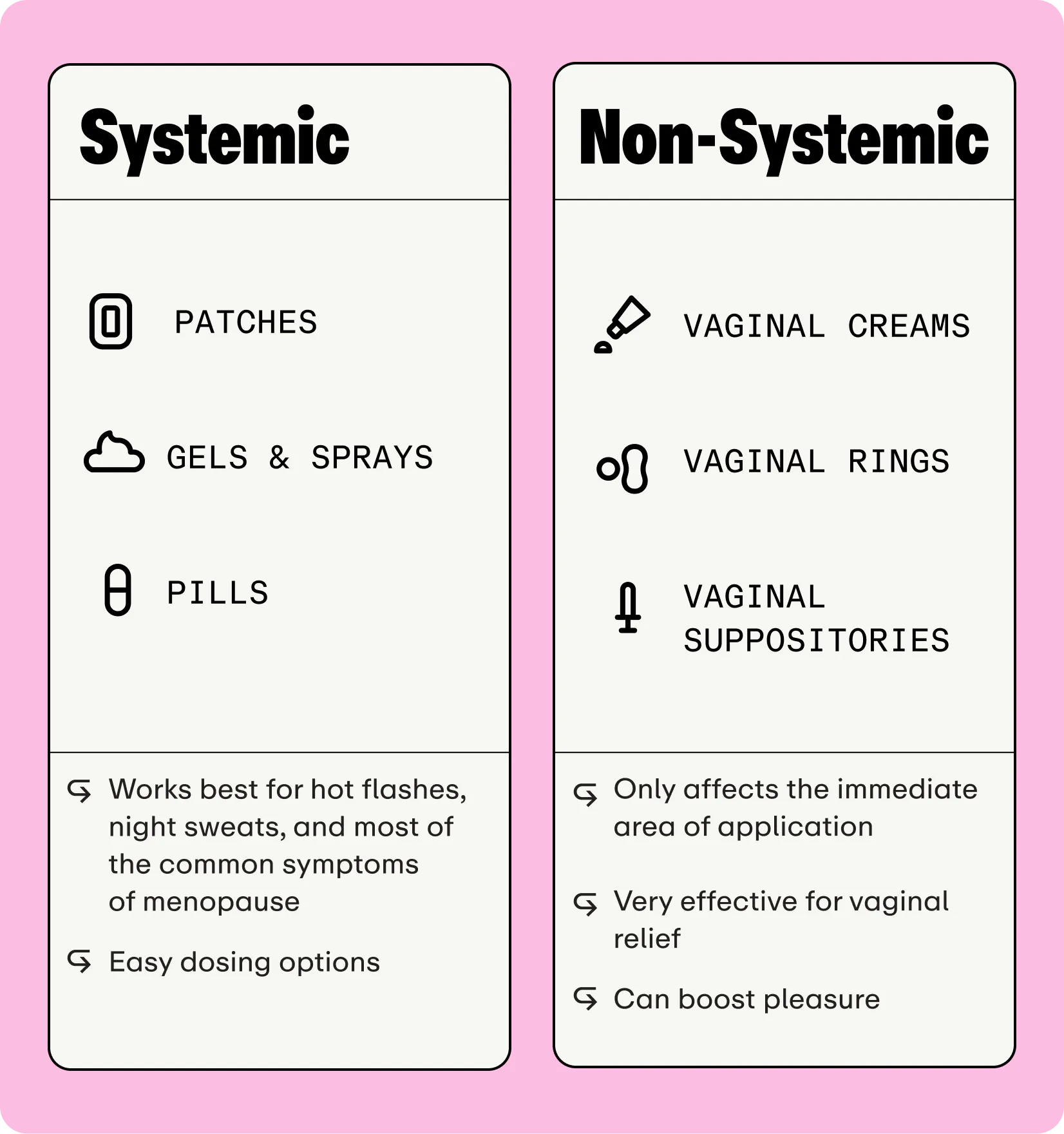
Menopause is considered a time of “estrogen deficiency.” Since this loss of estrogen is a primary cause of many cases of vaginal dryness, one gold-standard treatment is local, low-dose (non-systemic) hormone replacement therapy (HRT, now commonly referred to as menopause hormone therapy, or MHT).
Vaginal estrogen cream—aka “skin care for down there”—is inserted with an applicator for intravaginal use. Or, if you find cream inserted with an applicator leaks out too much, it can be applied to the vaginal tissues with a clean finger instead, which may help. You can also apply externally to the vulva to restore moisture to parched tissues.
There are also prescription vaginal rings (such as Estring) and suppositories (like Vagifem). Many women will use vaginal estrogen over the long term, which keeps vaginal tissues hydrated and happy.
If you have additional symptoms of menopause, like hot flashes and night sweats, your clinician may also recommend systemic HRT. This type of HRT supplies estrogen and/or progesterone (if you have a uterus) to the body, and it is available in a variety of forms, including a pill, patch, and vaginal ring.
HRT can help improve the health of the tissues that line the vagina and vaginal pH and increase moisture. It’s been found to improve GSM symptoms in 3 out of 4 women. Vaginal estrogen cream and systemic HRT can be used together safely.
Is There a Natural Alternative to Estrogen Cream?
Estrogen cream is a great option for many women, but vaginal moisturizers and lubricants can be first-line non-hormonal treatments for vaginal dryness and painful sex, according to guidelines authored by several organizations, including the American Urological Association. Vaginal atrophy natural treatments may be good options for cancer survivors, women who have contraindications to hormone therapy, or women who prefer non-prescription treatments.
One limitation is that moisturizers and lubricants improve comfort, but they don’t restore vaginal tissues. Local vaginal DHEA (dehydroepiandrosterone) is a natural hormone that converts to estrogen and testosterone to plump vaginal tissue. DHEA is available as an OTC topical treatment or prescription vaginal insert.
How to Prevent Vaginal Dryness
All of the things we discussed above also come into play when we’re talking prevention:
- Maintain a balanced diet and stay hydrated by drinking water.
- Get adequate sleep.
- Care for your sensitive skin down there by using water or a mild soap to wash up. Avoid any product with fragrances.
- Exercise—although it doesn’t directly treat vaginal dryness, it’s a habit that reduces stress, improves sleep, and supports your metabolic health, all of which are linked to sexual health.
- Talk with a healthcare professional, like a Midi clinician, once you experience symptoms of menopause, after undergoing treatments that affect your ovaries, or after a health diagnosis that impacts your estrogen levels. Treating vaginal symptoms early can help you avoid years of discomfort.
- Have sex! Intercourse helps maintain the elasticity of vaginal tissues. (This can also be part of a treatment plan, but you want to make sure that sex feels comfortable first with the above methods like using vaginal moisturizers and/or lubrication.)
When to See a Clinician for Vaginal Dryness
Data shows that GSM commonly goes underdiagnosed and undertreated. That doesn’t have to be the case for you.
If you are experiencing any persistent and bothersome symptoms of vaginal dryness that impact your daily life, book a visit with a menopause-educated clinician (like one at Midi) who will work with you to develop a Care Plan individualized to your needs, including OTC products, lifestyle coaching, natural remedies and supplements, and prescription treatments, if needed.
Key Takeaways
- Vaginal dryness is incredibly common among women during the natural course of the menopausal transition as estrogen levels fluctuate and decline. Estrogens are hormones that keep vaginal tissue thick, elastic, and lubricated, so as they decline, you may notice more discomfort and irritation.
- Vaginal dryness symptoms include burning, itching, and pain during sex. These symptoms can be part of genitourinary syndrome of menopause (GSM), a condition that includes vaginal and sexual symptoms, as well as urinary issues like incontinence, urgency, and recurrent UTIs.
- Treatment for vaginal dryness includes OTC options like vaginal moisturizers and lubricants during sex. In addition, your clinician may recommend systemic hormone therapy, either instead of or in addition to local vaginal estrogen.
- Lifestyle interventions like eating a healthy diet that includes food sources of phytoestrogens, reducing stress, and addressing relationship problems can promote both hormonal and overall health and well-being.
- If you are dealing with persistent symptoms of vaginal dryness that are impacting your daily life, speak with a clinician.
Frequently Asked Questions (FAQs)
How do you fix dryness down there?
The mainstays of treatment for vaginal dryness include vaginal moisturizers, vaginal lubricants, and prescription hormone replacement therapy (HRT, now commonly referred to as menopause hormone therapy, or MHT). HRT can be systemic (body-wide) and given as a pill, patch, or vaginal ring, or you may be prescribed a local vaginal estrogen cream, suppository, or ring. A combination of these treatments may be used to give you the moisture boost you need.
What is the best lubricant for female dryness?
Lubricants are used before sex to make your experience more comfortable. Look for one that is free of fragrance, dyes, and flavors. If you are not using condoms, coconut oil can be a natural option.
What is the best way to moisturize your vagina?
Vaginal moisturizers are products designed specifically for this purpose. They're typically used every few days to keep vaginal tissues hydrated in the long term, outside of sexual activity.
How can I get wet again after menopause?
HRT, available as a local estrogen cream or systemic formula (pill, patch, or vaginal ring), is a safe and effective way to give your body the estrogen it needs to keep vaginal tissues healthy and, yes, wet. Also keep in mind that mental and emotional factors play into vaginal lubrication as well, so assess your relationship health, as well as stress and sleep.
What is the main cause of dryness?
Although there are many causes of vaginal dryness, the most common is declining estrogen during perimenopause and menopause. A decline in estrogen during these years causes vaginal tissue to become thinner, less elastic, and drier.
How can I increase estrogen for vaginal wetness?
Using low-dose vaginal estrogen is the most effective method for how to increase vaginal moisture. Local DHEA treatment may also increase estrogen to improve vaginal dryness. Consuming foods with dietary phytoestrogens like soy may have a modest effect, but the evidence isn’t strong and it’s not a treatment for GSM.
Is there a natural alternative to estrogen cream?
If you’re avoiding estrogen cream for a medical reason or have a preference for more natural options, consider hyaluronic acid moisturizers or vaginal DHEA. These treatments help hydrate and plump vaginal tissues to improve comfort.
How long do natural remedies take to work for vaginal dryness?
It depends on what type of natural remedy you’re using. A lubricant works right away to add moisture during intercourse. Vaginal moisturizers can make a difference within a week when used regularly. Studies indicate that hyaluronic acid treatments can take weeks or months for full benefits.
Can probiotics help with vaginal dryness?
Early evidence suggests that some probiotics may be helpful for vaginal dryness. And they can be taken to support overall vaginal health by improving the vagina’s microbiome and pH.
Does drinking more water help vaginal dryness?
Hydration is important for the health of all of your cells and tissues—including those found in the vulva and vagina. And while you should stay hydrated, drinking water is not a treatment for vaginal dryness, and it won’t reverse estrogen-related dryness in menopause.
If you’re in perimenopause or menopause and want guidance from clinicians who specialize in women’s midlife health, book a virtual visit with Midi today.
Hormonal change is at the root of dozens of symptoms women experience in the years before and after their period stops.
Our trained menopause specialists can help you connect the dots to guide you towards safe, effective solutions.
Whether you need personalized guidance or a prescription routine to tackle symptoms—including brain fog, hot flashes, sleep trouble, mood swings, and weight gain—we’ve got you covered.
Midi’s mission is to revolutionize healthcare for women at midlife, wherever they live and whatever their health story. We believe that starts with education, to help all of us understand our always-changing bodies and health needs. Our core values guide everything we do, including standards that ensure the quality and trustworthiness of our content and editorial processes. We’re committed to providing information that is up-to-date, accurate, and relies on evidence-based research and peer-reviewed journals. For more details on our editorial process, see here.