


If you’re considering an estrogen supplement to boost your levels of this key hormone naturally, you're not alone. At Midi Health, we hear from many women who are interested in non-hormonal treatments for perimenopause and menopause as estrogen and progesterone levels begin their rocky decline. And while hormone replacement therapy (HRT) is right for a lot of women, it's not a solution for everyone. When weighing options, it's not always easy to know whether over-the-counter (OTC) herbal estrogen-replacement choices could work for you or even which ones may be effective for your menopause symptoms. Read on to learn how to choose the best estrogen supplement for you.
When estrogen levels decline during perimenopause and then even more during menopause, it means not just a drop off in fertility, but also a rise in symptoms like hot flashes and rollercoaster moods.
Prescription hormone replacement therapy (HRT), also referred to as menopause hormone therapy or MHT, is always a choice that you can make with a healthcare professional, like a Midi clinician. It may not be right for everyone, though, whether for medical reasons or because you’d just prefer to try a non-hormonal option.
Here, we'll explore some of the best estrogen supplements, plus what you should keep in mind before you head to start DIYing your care at the drugstore.
What Is Estrogen and Why Does It Decline?
Estrogen isn’t the only important hormone in our bodies. It is a crucial one, though. And it influences way more than your ability to get pregnant. It also helps regulate:
- bone density and lean muscle mass
- cholesterol levels
- metabolism
- blood sugar levels
- heart health
- collagen production, which affects your skin and hair
- brain function, including mood and mental acuity.
In short, it’s a powerhouse. So when your body starts making less of it, there's no question that you're going to feel it.
The most potent form of estrogen, called estradiol, is primarily produced in your ovaries. As your ovarian follicles get older, they make less and less of it. For example, during your reproductive years, blood estradiol levels can be as high as 400 to 750 picograms per milliliter (pg/mL), depending on the stage of your cycle. But during menopause, that number is typically less than 10 pg/mL on a consistent basis.
This whole process of estrogen decline starts in perimenopause, but research shows that the steepest drop—around 67%—happens after you get your final period (you technically hit menopause one full year after your last period). The lack of estrogen contributes to heart disease, reduced bone density, and many other health concerns. And as your body attempts to adapt to this new hormonal normal, it also triggers challenging menopause symptoms, like hot flashes, night sweats, brain fog, fatigue, mood shifts, vaginal dryness, low libido, and sleep issues.
Types of Estrogen Supplements
When thinking about the best supplement to increase estrogen, you can consider both prescription and OTC options:
- Prescription hormone therapy: This can be administered in various ways (including via patches, pills, and gels), and requires medical supervision. There are bioidentical options (meaning they have the same molecular structure as the estrogen your body creates) and synthetic ones (meaning they have actions similar to natural human body estrogen, but are slightly different and therefore can have different effects).
- OTC estrogen supplements: These are plant-based or herbal non-hormonal treatments for menopause, such as soy isoflavones, flaxseed oil, red clover, and black cohosh, that have been shown to increase estrogen naturally. They may provide some mild estrogen-like effects.
Best Estrogen Supplements and Natural Estrogen Boosters
Among the various options for OTC estrogen treatments, some have stronger science backup than others:
- Phytoestrogens: Phytoestrogens, such as soy isoflavones and flaxseed oil, bind to your body’s estrogen receptors, and they’re arguably the most studied of the bunch. A 2021 review of trials on these plant-based estrogens found that they may reduce vasomotor symptoms like hot flashes and night sweats, plus improve bone density and heart health—although the benefits were mild and the researchers note that the evidence is mixed. (Despite what you may have heard about products like soy, there doesn’t appear to be any clear link to breast cancer, endometrial cancer, or colon cancer.)
- Black cohosh: “This plant has been in 30-plus randomized trials—so it’s been well studied. Some of the research has found that it can help with symptoms of menopause, and others have shown no efficacy,” says Kathleen Jordan, MD, Chief Medical Officer at Midi Health. A 2024 review of 10 studies, for example, concluded that black cohosh helped relieve hot flashes and night sweats, though the effects were milder than with prescription estrogen replacement. Black cohosh also appears to calm the nervous system, which could help with issues like anxiety and mood shifts. Research has shown that the symptom relief from the plant isn’t likely because it boosts estrogen, but rather from an estrogen-like effect.
- Red clover: This is an herb that contains isoflavones—a subtype of phytoestrogens. So it works in a similar way to naturally boost estrogen levels, although again, the effect isn’t the same as taking prescription HRT. It has shown some promise in reducing hot flashes and other menopausal symptoms, although more research is needed.
- Vitamin D: We’re spotlighting this over other vitamins and minerals because many Americans don’t get enough of the “sunshine vitamin.” The vitamin doesn’t boost estrogen, but some evidence suggests that it plays an important role in hormone function during menopause, with insufficient vitamin D levels linked to lower estrogen levels and worse symptoms. Plus, it affects mood, bone density, and other factors that tend to become a concern after menopause.
Can You Raise Estrogen Naturally Without Hormones?
The quickie answer is yes—but probably not dramatically. Still, every little thing could help, and these lifestyle factors may help your health in other ways as well.
- Eat your phytoestrogens: “Foods such as soy products (tofu, edamame), red clover, and flaxseeds are rich in isoflavones like daidzein or genistein that exert a mild estrogenic effect on the body,” says Dr. Jordan. So they may help with symptoms such as night sweats and hot flashes.
- Move, sleep, and decompress: In addition to foods and supplements, it’s important to prioritize exercising regularly, getting enough rest (good rest!) each night, and finding ways to destress. Each of these things affect hormones in your body that can boost your mood and energy levels, along with lowering your risk of conditions that a lack of estrogen may increase, such as heart disease, diabetes, obesity, and cognitive issues. If you’d like a lifestyle Rx, you can aim for 150 minutes per week of moderate aerobic activity or 75 minutes of vigorous exercise (plus strength training). Get at least 7 hours of restful sleep each night, and carve out a little time every day—even if it’s just 10 minutes—to do something that helps you destress.
- Show your gut a little love: Maintaining a healthy microbiome—the bacteria and other bugs that live in your GI tract—is essential for estrogen levels and general wellness. You can feed the good gut bugs and help crowd out the bad ones by eating lots of fruits, veggies, and whole grains (to get the fiber and phytonutrients they contain), as well as limiting excess salt, saturated and trans fats, and added sugars.
Choosing a Supplement to Increase Estrogen
Before you head to the drugstore to pick up a supplement, know that you can talk with a specialist, like the ones we have here at Midi. Taking a DIY approach to supplements won’t necessarily get you where you want to go. A specialist can help you decide whether a supplement may help—and, if so, which one to choose.
Your clinician will assess your symptoms, ask about other medications or supplements you may already be taking, and may order blood tests. Then they can make personalized recommendations , depending on your symptoms, life stage, and medical history.
If you opt to try an OTC estrogen supplement, look for one that’s been third-party tested, which means that an independent company routinely makes sure that there are good manufacturing processes and that the ingredients are what they say they are, in the amounts that the manufacturer claims.
Consider the Side Effects and Safety of Natural Estrogen Boosters
While certain estrogen supplements have inconsistent results, says Dr. Jordan, “most do show good safety profiles without a lot of downsides.”
Some mild side effects have been reported with certain natural estrogen boosters. For example, black cohosh has been reported to possibly cause mild stomach upset or cramping, headache, rash, or vaginal bleeding. And flaxseed oil may cause mild GI issues.
Just to repeat: It’s important to talk to your healthcare professional before you start taking an estrogen supplement to make sure that you try the right one for your symptoms and that it won’t be a problem with any health issues you have.
Often we don’t think to bring up supplements with a healthcare professional because they’re “natural.” In fact, studies show that 70% of patients who use complementary therapy don’t tell their physician, either because they don’t consider supplements to be medicine, or they worry that their doctor will disapprove.
But in order to get the best care and find the right solution for your unique needs, you need to share e-ver-y-thing. Any clinician worth their salt will listen and work with you to find the best plan of care.
When to Consider Hormone Therapy Instead
Medically prescribed HRT is often the go-to for people who have gone through early menopause, have severe symptoms, or whose menopause was triggered by chemotherapy or a medical condition, like a hysterectomy. It could also simply be that you and your doctor decide that it might be the best start for you.
That’s not to disparage OTC supplements. The ones we covered are generally considered safe, and they might help with your symptoms. But HRT is medication that’s FDA-approved, with consistent standardized dosing and a stronger estrogenic effect. When it comes to easing discomfort, think of OTC estrogen as the minor leagues and HRT as the majors.
True Stories Of Transformation
Key Takeaways
- The best estrogen supplement depends on your symptoms and goals. For mild menopause symptoms, OTC options with estrogen-like activity (such as soy isoflavones, flaxseed, red clover, or black cohosh) may offer modest relief, while prescription hormone therapy provides stronger, more consistent effects.
- OTC estrogen supplements don’t raise estrogen directly, but they can mimic it. Many of the best estrogen supplements are phytoestrogens that bind to estrogen receptors and may help reduce vasomotor symptoms, even though they don’t increase estrogen levels the way prescription HRT does.
- Soy isoflavones and flaxseed are among the most studied natural estrogen supplements. Research suggests these plant-based compounds may slightly improve hot flashes, bone density, and heart health, making them common contenders when people search for the best estrogen supplement.
- Safety and quality matter when choosing the best estrogen supplement. Look for third-party–tested products, review potential side effects (like GI upset with flaxseed or black cohosh), and always discuss supplements with a healthcare professional.
- For significant or fast symptom relief, prescription estrogen may be more effective than supplements. While natural estrogen boosters can play a supportive role, FDA-approved hormone therapy remains the gold standard for treating moderate to severe menopause symptoms under medical guidance.
Frequently Asked Questions (FAQs)
What is the best OTC supplement to increase estrogen?
Soy isoflavones, flaxseed oil, black cohosh, and red clover contain compounds that—while they don’t boost estrogen—exert an estrogenic-like effect that may tamp down some of the symptoms of menopause, like hot flashes and night sweats. Vitamin D may also help.
What's the best type of estrogen to take?
Midi’s Dr. Jordan says that prescription hormone therapy, which is bioidentical or similar to the estrogen your body naturally produced before menopause, is the most effective treatment. However, she adds that supplements that contain estrogen-like activity, like the ones above, could help. Their efficacy has been mixed, but they are generally considered safe to take.
What are the signs of low estrogen?
It can vary. Hot flashes are pretty clear signs. Mood swings or brain fog might not be as obvious. But anything that feels different or just off for you deserves a medical opinion. That doesn’t just apply to menopause. Your health matters.
What is the fastest way to increase estrogen?
Fast shouldn’t be the goal. Thoughtful, safe, and effective are better things to shoot for. That said, going the medical route, with prescription estrogen replacement given under the care of a specialist, is a reliable and quicker way to get a more pronounced rise in estrogen levels.
Which is the safest form of estrogen?
The safest, best form of estrogen for you is the one that you and a specialist, like those at Midi, decide is the optimal choice for you, considering your medical history, lifestyle, and life stage.
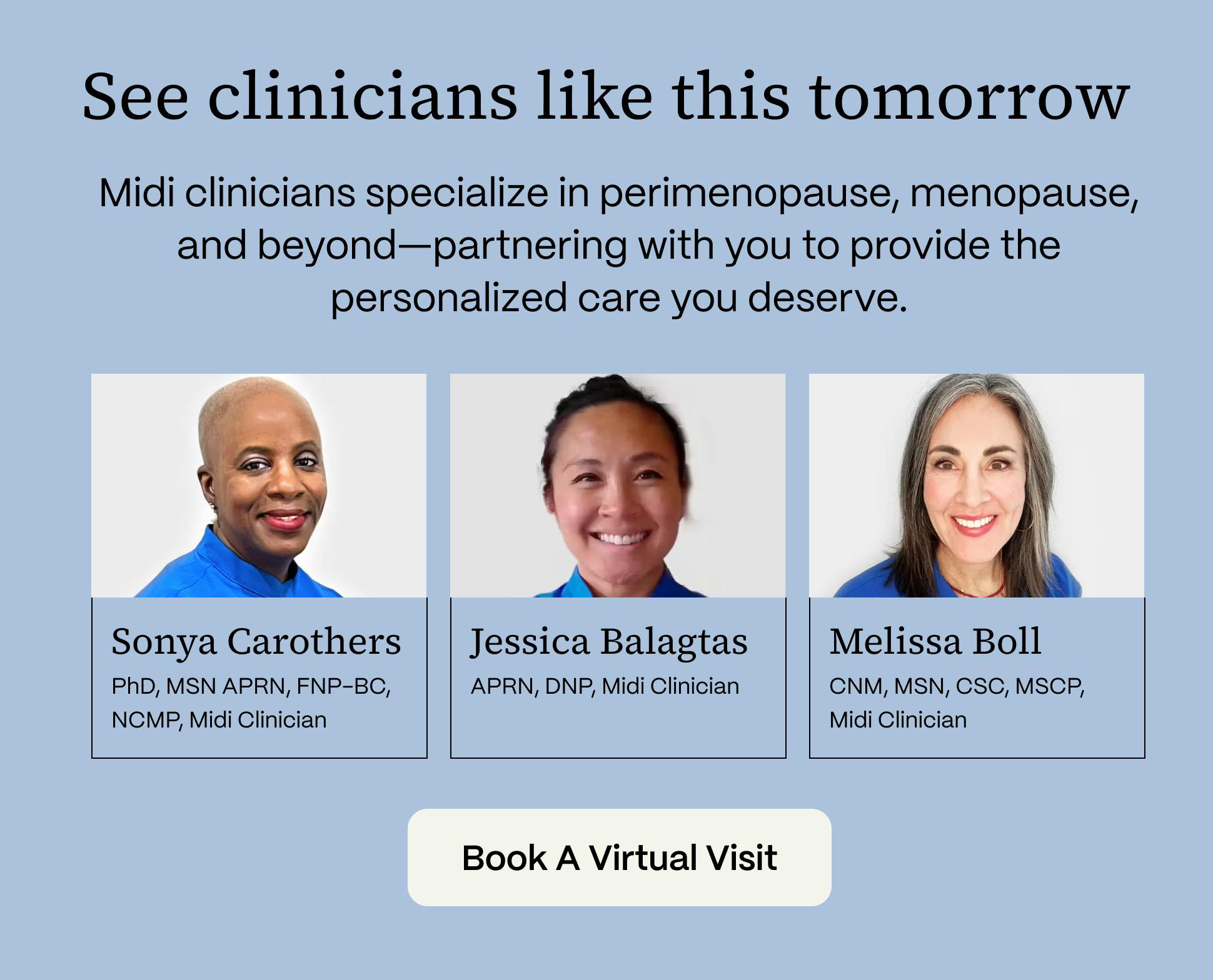
If you’re in perimenopause or menopause and want guidance from clinicians who specialize in women’s midlife health, book a virtual visit with Midi today.
Hormonal change is at the root of dozens of symptoms women experience in the years before and after their period stops.
Our trained menopause specialists can help you connect the dots to guide you towards safe, effective solutions.
Whether you need personalized guidance or a prescription routine to tackle symptoms—including brain fog, hot flashes, sleep trouble, mood swings, and weight gain—we’ve got you covered. Learn more here.
Midi’s mission is to revolutionize healthcare for women at midlife, wherever they live and whatever their health story. We believe that starts with education, to help all of us understand our always-changing bodies and health needs. Our core values guide everything we do, including standards that ensure the quality and trustworthiness of our content and editorial processes. We’re committed to providing information that is up-to-date, accurate, and relies on evidence-based research and peer-reviewed journals. For more details on our editorial process, see here.


