
Knees creaking more? Hands stiffening up? Joint pain and stiffness often show up in your 40s and 50s—and for many women, inflammation driven by hormonal changes is a big reason why. As estrogen levels shift during perimenopause and menopause, the body loses some of its natural anti-inflammatory protection, making joints more prone to aching, swelling, and stiffness. While this is common, it isn’t something you have to simply live with. Certain herbs for inflammation, including turmeric, ginger, frankincense, willow bark, devil’s claw, and green tea, have research backing their ability to help calm inflammation and support joint comfort. In this guide, you’ll learn which herbs are most effective, how to use them safely, and how pairing them with smart lifestyle habits can make a meaningful difference in your pain.
It’s a universal truth: Somewhere around your fourth or fifth decade, you start to become way more aware of your joints. Your knees, hips, elbows, and shoulders used to just do their job without complaint, but now they may ache, stiffen up, or feel a little twinge-y.
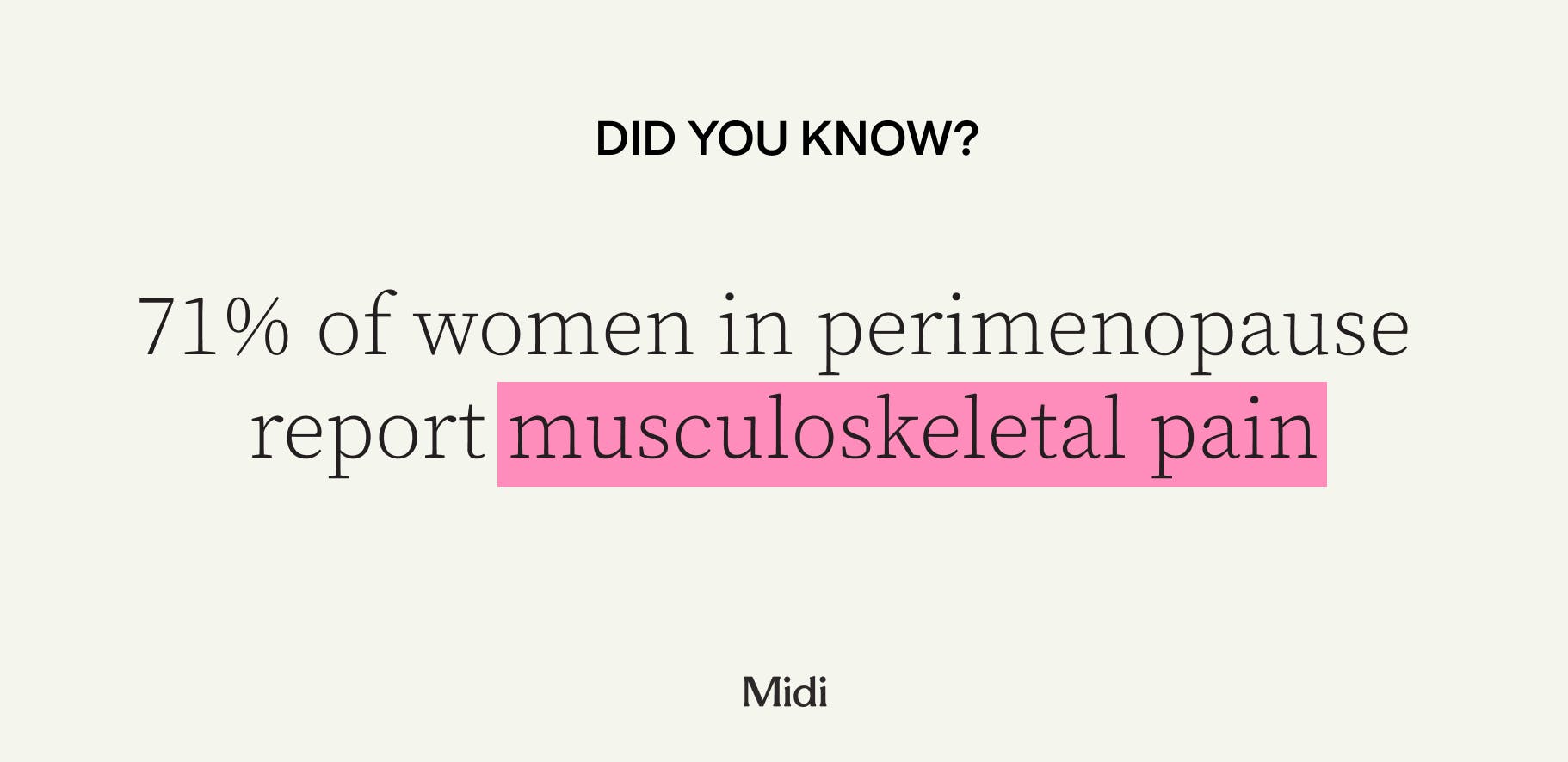
What’s going on? It’s likely a mix of things. For one, the estrogen swings and declines that start in perimenopause can have an impact on your joints. Estrogen has anti-inflammatory properties, so when the hormone tapers off it can cause inflammation wherever there are estrogen receptors in your body—which includes in your joints, tendons, and ligaments. This helps explain why more than half of women going through menopause complain of joint discomfort. Adding to this is the fact that many women gain weight during this time in their lives, which puts extra pressure on joints.
One thing that can help: Certain herbs and supplements that help bring down inflammation. In this guide you’ll find out which ones are backed by science, how to choose anti-inflammatory herbs that may be right for you, safe dosing instructions, and what lifestyle habits may also help.
How to Use This Guide
When your joints are ouchy, you might be psyched to immediately try any and all supplements that could help. But pump the brakes a bit. After discussing the options with a healthcare professional, like a Midi clinician, start by picking one supplement, try it for four to eight weeks, and see how it makes you feel. Consider how it affects your pain and achiness, and whether it’s causing any gastrointestinal side effects.
While you’re doing that, feel free to cook with anti-inflammatory spices (more on those below), as well as brew up some anti-inflammatory beverages, like green tea.
What to Expect When You Try Herbs for Inflammation
When you start taking anti-inflammatory herbs in a supplement form, don’t expect that you’ll suddenly feel zero joint pain and stiffness. But studies show you can feel modest relief, which can have a big impact on your day-to-day life and activity.
The biggest wins come when you pair herbs for inflammation with lifestyle changes, like eating enough protein and plenty of foods containing omega-3 fatty acids, doing regular strength training, getting an optimal amount of good quality sleep, and moving throughout the day. Your joints are complicated parts of your body, so supporting them and reducing inflammation requires a multi-pronged approach. And how well a particular herbal supplement will work for you is an individual thing—as is what the right dose is and how well your body will tolerate it.
The Top 6 Anti-Inflammatory Herbs
Here are the herbs and spices with the strongest evidence for helping to bring down inflammation and ease joint pain. (The doses here are typical recommendations—discuss the best dose for you with your healthcare provider.)
Turmeric / Curcumin
A popular golden-colored spice, turmeric and its active ingredient curcumin have been shown to reduce joint pain, stiffness, and swelling. Look for a supplement that contains mostly curcuminoids (the extract that’s responsible for the health benefits). It’s okay if it also includes piperine or phytosome—both of these help with absorption.
Dose: Start with 500 mg to 1,000 mg of curcumin, taken once or twice a day with food.
Precautions: It could cause some GI issues. Don’t take it if you’re on an anticoagulant (there’s an increased risk for bleeding) or have existing gallbladder issues. Turmeric increases the risk for rare liver problems when taken in certain very high doses.
Ginger
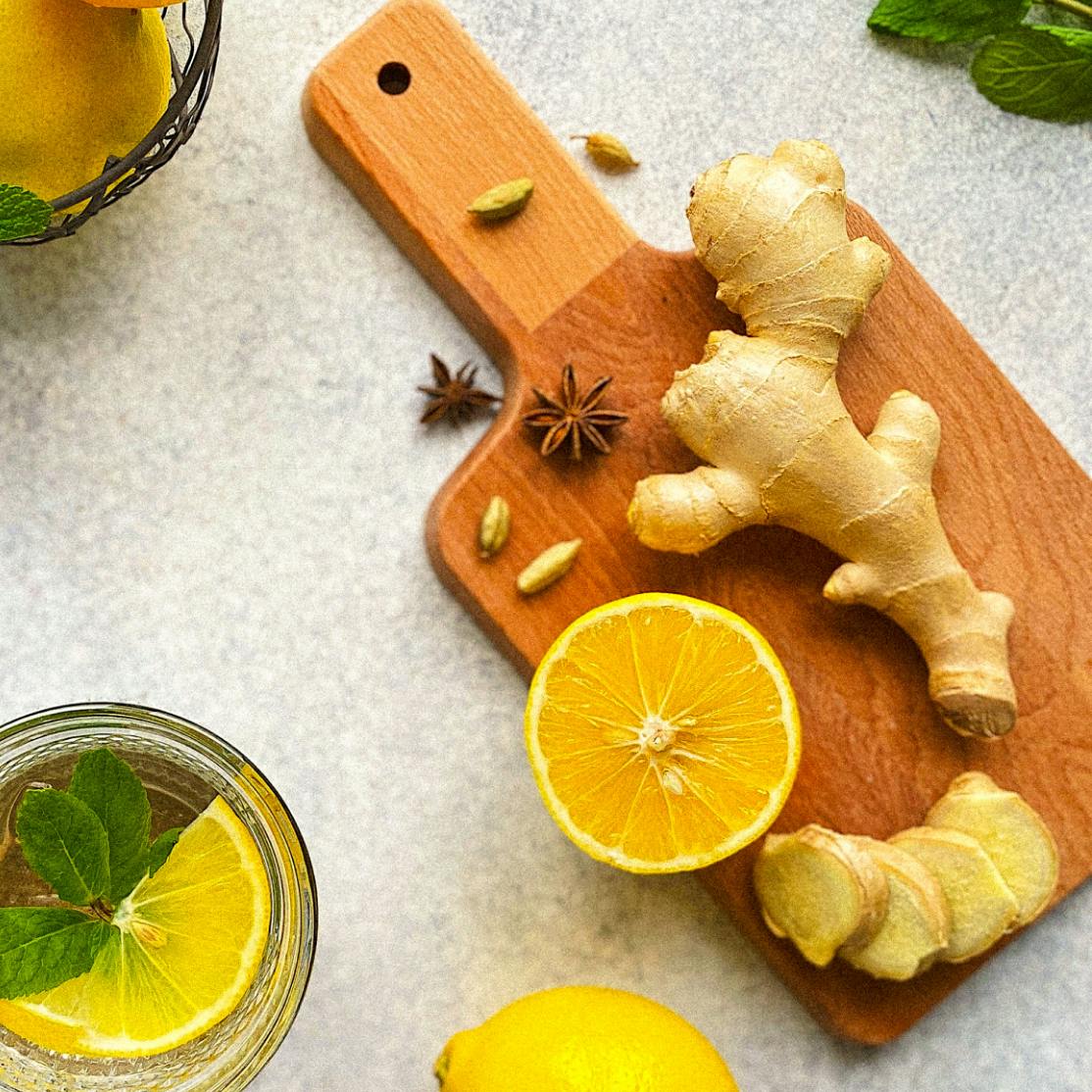
This spice isn’t just good for baking: Ginger can be taken as a supplement or used to make a concentrated tea to reduce joint pain, improve stiffness, and bring down inflammation.
Dose: Try taking 250 mg two to four times a day (and cook with ginger as much as you’d like!).
Precautions: It could cause mild heartburn or acid reflux, especially at higher doses, as well as raise your bleeding risk since it works as a natural mild blood thinner. If you’re taking an anticoagulant, you may want to stay away from ginger supplements.
Boswellia Serrata (Frankincense)
The wise men may have been on to something—frankincense is anti-inflammatory, and there’s some research showing that it can ease joint discomfort, especially knee pain (the research focuses on osteoarthritis). Look for supplements with boswellic acids or AKBA, a compound found in Boswellia serrata.
Dose: Take 300 mg to 500 mg two to three times a day
Precautions: You may experience some GI upset, like nausea, diarrhea, or stomach pain.
Willow Bark (Salicin)
Because willow bark contains salicin, a plant compound with an anti-inflammatory and pain-relieving effect, it can be a good supplement when joint pain is flaring up.
Dose: Take 120 mg to 240 mg of salicin a day
Precautions: Salicin gets converted to salicylic acid in your body, which is closely related to aspirin. So anyone who is allergic to aspirin should avoid willow bark supplements. It can have an impact on blood thinning, so shouldn’t be taken if you’re on an anticoagulant. Same advice if you’re prone to ulcers, have kidney disease, or are under age 18.
Devil’s Claw (Harpagophytum)
A somewhat creepy name, but this supplement is worth a look because of its gentle anti-inflammatory effects, which has the potential to ease joint pain. It’s also been found to reduce oxidative stress, which can wear down cartilage and make joints more sensitive to pain.
Dose: Take 50 mg to 100 mg of harpagoside (the active ingredient in devil’s claw) a day
Precautions: Because it can cause GI upset, those with gallstones or ulcers shouldn’t use it. Also check with your clinician first if you’re on an anticoagulant or have diabetes (it can affect blood sugar).
Green Tea (EGCG) / Matcha
Whether it’s your daily cafe order–matcha latte anyone?–or you take it as an extract, green tea packs a health punch: Studies show that it contains a lot of anti-inflammatory polyphenols, particularly EGCG (that’s an abbreviation for a certain type). It can also help you avoid joint pain down the road.
Dose: Stick to under 800 mg of EGCG a day.
Precautions: More is not more when it comes to green tea doses. Keep it moderate and have the supplement with food so that you don’t stress the liver too much.
Kitchen Bonus: Use Anti-Inflammatory Spices
You can get anti-inflammatory benefits when you cook with certain herbs and spices. This includes turmeric and ginger, but also cinnamon, garlic, rosemary, oregano, black pepper, cardamom, and chili/cayenne.
With this kind of variety, it’s easy to work these anti-inflammatory spices and herbs into your meals each day. Use them in soups, stews, rubs, egg dishes, and teas. Here’s one healthy tip: When you’re cooking with turmeric, pair it with some healthy fats and black pepper to help your body absorb it.
Buyer’s Guide for Anti-Inflammatory Supplements
Anti-inflammatory herb supplements aren’t equally potent and safe. The FDA doesn’t approve supplements or verify whether they’re effective before they hit the market, so it’s important to look for ones with:
- Standardized extracts: This means that each batch has a specific, consistent amount of the active ingredients
- Specified amounts of active ingredients: The label should clearly state how many milligrams of the active ingredients the supplement contains
- Third-party testing: Look for a seal on the label from USP, NSF, or Informed Choice, indicating that a third party reviewed the supplement and the label and found that it contains what it says it does.
- A GMP facility: GMP stands for good manufacturing practices, which means these facilities have strict standards around quality and processes.
- Lot and COA access: The lot number can tell you the batch of your supplement, which is important to know in case there’s a recall. The COA, which stands for certificate of analysis, lets you review what is, in essence, a report card on the supplement.
Just as important as what to look for is what to avoid. You don’t want vague blends that don’t mention the specific doses of the active ingredients, or multi-herb supplements that call themselves “pain stacks”—that’s marketing jargon, and these blends may include hidden stimulants or salicylates (aspirin-like properties).
Oral supplements in the form of capsules and softgels are the best for overall reducing inflammation, and topical creams and gels can help relieve inflammation and pain in targeted areas.
Start Simply With This Trial Plan
After you’ve consulted with your clinician and decided which herb you want to try, grab a pen and notepad to prep for this 4-8 week plan. Start by writing down some details about your health, to help you start tracking your progress as the weeks go on. Include your pain on a scale of 0 to 10 for both morning and evening, how long you feel stiff in the morning, your average step count each day, and how many hours you’re sleeping.
- Weeks 1–2: Begin taking your chosen supplement with meals, and add in kitchen spices whenever possible.
- Weeks 3–4: See how things are going with your pain and any side effects. If you feel good, keep going with that herb. If you have nausea, stomach pains, or other GI issues, try reducing the dose.
- Weeks 5–8: Has your pain gone down by 1 or 2 points on the scale? Can you function better throughout the day? If the answers are yes, keep using that herb. If the answers are no, stop taking it and start again with a different supplement.
Smart Anti-Inflammatory Combos
There’s a recipe for success when using herbs for inflammation: Combine one type of supplement with the regular use of kitchen anti-inflammatory spices and plenty of omega-3 food sources like salmon (or fish oil). You don’t want to take multiple herbal supplements without talking to a healthcare professional, like a Midi clinician—especially if they’re anticoagulants (which slows blood clotting) or have salicylate properties.
While following this routine, it also helps to eat plenty of protein (25 to 35 grams per meal), strength-train two or three times a week, and go on post-meal walks to keep your joints healthy and inflammation down.
Special Cautions, Special Cases
There are precautions you should take when considering anti-inflammatory supplements, especially if you fall into certain categories.
- You take anticoagulants/antiplatelets/NSAIDs: These medications create a higher bleeding risk, as do some herbs (turmeric, ginger, willow bark), so combining them can be risky.
- You have gallbladder disease or bile duct obstruction: Don’t take high doses of turmeric—it can exacerbate those issues.
- You have ulcers or GERD: Use caution when taking ginger, willow bark, or devil’s claw – they can make stomach issues worse.
- You have liver or kidney disease: Avoid concentrated extracts of any herbs unless cleared by your clinician.
- You’re on diabetes meds: Some herbs can affect glucose levels, so make sure you talk to your provider and monitor your blood sugar closely.
- You’re pregnant or breastfeeding: The majority of herbs are not tested for safety with pregnant women or those who are breastfeeding. Check with your doctor before taking any supplements or extracts. Kitchen spices are usually fine, so that might be a good approach to easing joint pain and inflammation during this time.
- You have a planned surgery: You’ll want to stop most herbal anti-inflammatories a week or two weeks before the operation, to avoid the increased risk of bleeding.
Lifestyle Combos That Amplify Results
Herbal supplements can help your joints feel better, but you can boost their anti-inflammatory impact with certain healthy habits:
- Eat a healthy diet: We’re talking protein and fiber at every meal, lots of colorful fruits and veggies, and ample hydration.
- Move your body: Strength training and mobility work can help stabilize your joints, while low-impact cardio can keep your synovial fluid flowing, which keeps joints lubricated.
- Have good nights: Quality sleep helps your body reduce inflammation, and so does going light on alcohol in the evenings.
- Be kind to your joints: Wear cushioned footwear most of the time (sorry, cute flats with no support), hit your daily step goals, and take micro-movement breaks throughout the day to keep joints from stiffening up.
When to Get Extra Care
There’s your typical midlife joint pain, and then there are times when you should be seen by a clinician. Here are some red flags that something more serious is going on:
- Your joints feel hot and swollen and you have a fever
- You have sudden severe pain or redness
- There’s new numbness/weakness or joint deformity
- You have persistent joint pain during the night, unexplained weight loss, or signs of GI bleeding, like black stools
Key Takeaways
- Hormonal changes in perimenopause and menopause can increase joint inflammation, as declining estrogen reduces the body’s natural anti-inflammatory protection and makes knees, hips, shoulders, and hands more prone to pain, stiffness, and achiness in midlife.
- The best herbs for inflammation and joint pain include turmeric (curcumin), ginger, frankincense (Boswellia serrata), willow bark, devil’s claw, and green tea, all of which have research supporting their ability to reduce inflammation and improve joint comfort.
- Anti-inflammatory herbs provide modest but meaningful relief when used consistently, typically over 4–8 weeks, and are most effective when combined with healthy diet, regular movement, strength training, and adequate sleep.
- Choosing safe, effective herbal supplements requires quality and dosing awareness, such as standardized extracts, clearly labeled active ingredients, third-party testing, and guidance from a clinician—especially for people taking medications.
Frequently Asked Questions (FAQs)
What is the strongest anti-inflammatory herb?
There is no single strongest anti-inflammatory herb because everyone reacts differently to supplements. While there are herbs that can help with inflammation, including ginger, turmeric, willow bark, and green tea, finding the one with the strongest effect in your body may require some trial and error.
How do you flush inflammation out of your body?
You can’t “flush” inflammation from your body, but you may be able to bring down systemic inflammation by eating a healthy diet, exercising, sleeping well, reducing stress, and taking certain herbal supplements like turmeric and green tea extracts.
What is the best homemade anti-inflammatory?
Many kitchen spices can help bring down inflammation, including ginger, cayenne, cinnamon, and garlic. Using these in your cooking and food prep is a step you can take to help reduce inflammation.
What can I drink to cure inflammation?
Teas made with ginger and green tea/matcha can help bring down inflammation.
Which is the strongest natural anti-inflammatory?
This answer is a personal one since natural anti-inflammatories work differently for different people. There are many to choose from, like devil’s claw, willow bark, and frankincense. Try one for four to six weeks and if it isn’t giving you results, switch to another.
If you’re in perimenopause or menopause and want guidance from clinicians who specialize in women’s midlife health, book a virtual visit with Midi today.
Hormonal change is at the root of dozens of symptoms women experience in the years before and after their period stops.
Our trained menopause specialists can help you connect the dots to guide you towards safe, effective solutions.
Whether you need personalized guidance or a prescription routine to tackle symptoms—including brain fog, hot flashes, sleep trouble, mood swings, and weight gain—we’ve got you covered. Learn more here.
Midi’s mission is to revolutionize healthcare for women at midlife, wherever they live and whatever their health story. We believe that starts with education, to help all of us understand our always-changing bodies and health needs. Our core values guide everything we do, including standards that ensure the quality and trustworthiness of our content and editorial processes. We’re committed to providing information that is up-to-date, accurate, and relies on evidence-based research and peer-reviewed journals. For more details on our editorial process, see here.