
Saffron, a spice long prized for its unique flavor in cooking, has been dubbed “red gold.” Though that refers to the spice’s beauty, saffron has also been considered beneficial for health for thousands of years across many cultures. In the modern day, many women feel there are clear saffron benefits for women's health, in terms of mood, sleep quality, and menopausal symptoms. Here, we dig into the science and explore what the research says about saffron's benefits for women, especially women in perimenopause and menopause.
In cooking, the spice saffron—with its unique reddish-orange threads—is used to give food a subtle, distinctive flavor. Today, there’s growing interest in taking saffron as a supplement, thanks to emerging research showing that it has the potential to be a “natural” way to boost mood and support women’s health during menopause, as well as provide other mild health benefits.
To answer your questions, here’s a practical, science-aware guide into the potential benefits of saffron, what the research really shows about its effectiveness, and how to decide whether trying it makes sense for you.
Saffron Benefits for Female Health: Big Picture
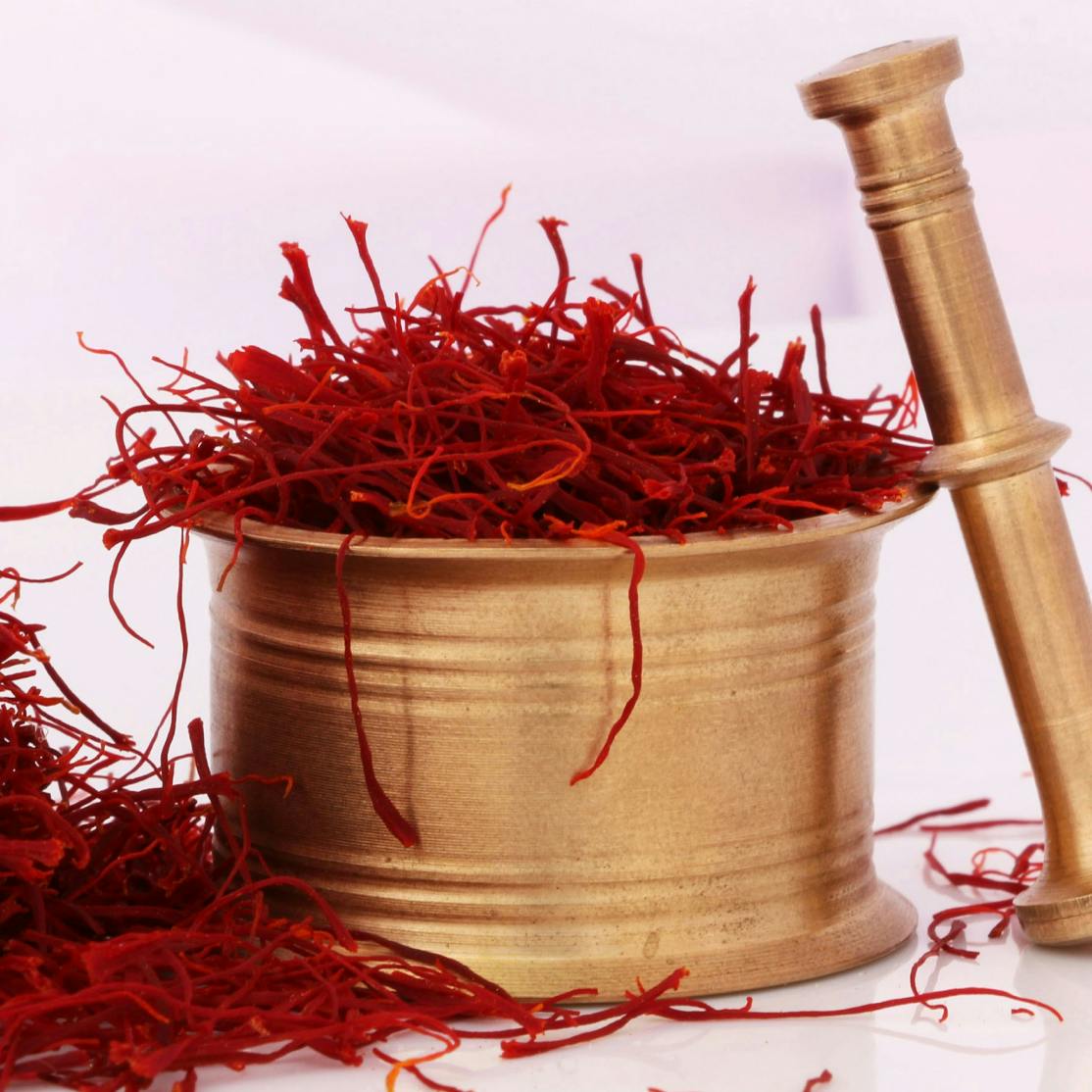
Saffron is a spice that comes from the dried stigmas (threads) of the Crocus sativus flower. When it’s used for culinary purposes—think paella and risotto—it enhances the aroma, color, or flavor of the food. It’s pricey, though. In fact, it’s been called the world’s most expensive spice.
Behind its sunset hue are some pretty interesting health properties, namely in plant compounds that have been connected in some research to mood support, pain relief, ease of PMS and menstrual symptoms, and general antioxidant effects.
As a whole, the research into saffron involves small clinical trials, as well as animal or cell-based research, so it’s too early to make an outright conclusion on what taking saffron as a supplement can do for your health. Overall, saffron benefits for women are a promising but still emerging topic, rather than settled science.
How Saffron Works in the Body: What We Think We Know
Saffron has long been considered a medicinal plant, because it’s packed with carotenoids, polyphenols, flavonoids, and terpenes. These are plant chemicals that, in lab and animal studies, have shown antioxidant and anti-inflammatory properties.
The spice is best known for its potential to regulate moods. Some research has shown that it affects neurotransmitters like serotonin in the brain.
Its antioxidant properties are potentially interesting as well though the research is still very preliminary. Antioxidants are known to reduce free radical damage that cause oxidative stress (which can hurt cells and DNA), reducing inflammation which is a driver of many disease processes, including cardiovascular disease.
It’s important to remember: Much of what we know (or think we know) about saffron is based on research in cells and animals, and many of the studies are small. It’s exciting to consider that the findings might apply to people, but more trials on humans are needed to understand specifically what this spice can do.
Saffron for Mood: What the Research Suggests
The yellow-red spice has been linked to possible mood benefits, including for depression and anxiety.
Both animal and human studies suggest that saffron might help reduce symptoms of mood and anxiety disorders, particularly if saffron and curcumin (the yellow pigment in turmeric spice) are combined in people with major depressive disorder. The theory is that saffron may activate mood-regulating neurotransmitters, as well as target the GABA receptor in the brain, which is known as your brain’s “calm down center.”
We need to learn far more, including how to use saffron supplements responsibly alongside current medications, therapy, and lifestyle treatments for mood disorders. While the evidence is intriguing, the researchers flagged potential bias in the studies. In short: If you’re currently taking medication, don’t stop taking it in favor of taking saffron. If you’re working with a provider on your mood and stress issues, this may be one more tool to ask them about.
Saffron for Menstrual and Menopause Symptoms
Some researchers wanted to see whether saffron supplements could help with premenstrual dysphoric disorder (PMDD), a severe form of PMS that comes with depression, anxiety, mood shifts, irritability and other symptoms, starting a week before your period. So they ran a randomized controlled trial of 120 women with PMDD.
They compared saffron supplements to an SSRI antidepressant and a placebo—and saffron was found to be as effective as the SSRI and better than a placebo in reducing the severity of symptoms. The researchers theorized that the spice’s chemicals may act on the serotonin center of the brain, which is believed to play a role in PMDD.
Saffron supplements for menopause symptoms have also been studied. There’s some evidence that saffron extract may help treat psychological symptoms in perimenopausal women, easing anxiety and depression more effectively than a placebo. That study wasn’t large, though, involving only 86 women, and it also found that saffron didn’t ease hot flashes or night sweats. Another even smaller study found that while saffron didn’t reduce the frequency of hot flashes, it did ease their intensity. So more research is clearly needed.
A key thing to keep in mind is that saffron for menopause has limited benefits, and it’s not a replacement for hormone therapy or other evidence-based treatments. It’s important for women to have a full conversation with their clinician about all of their options in menopause treatment, including hormones, non-hormonal medications, lifestyle changes, and complementary approaches. A single supplement isn’t the answer to getting the job done.
Other Saffron Health Benefits in Women: What We Know So Far
There’s been research into whether saffron could help some other health issues:
- Libido support: Could saffron help boost women’s libido? Some researchers are cautiously optimistic, while acknowledging that female desire is not a straightforward thing. In a small trial, a group of married women with sexual dysfunction took saffron capsules for 6 weeks . At the end of the study, people in the saffron group (as opposed to a placebo group) self-reported more desire, arousal, and satisfaction—possibly because saffron may help improve depression and pain, which are connected to sexual issues.
- Blood sugar regulation: In a review published in the journal Nutrients, saffron showed some benefit in reducing fasting blood glucose levels in people with diabetes, prediabetes, or metabolic syndrome. The evidence is not enough to suggest that saffron is a worthy sub for meds that lower blood sugar, though—and if you want to take a supplement alongside diabetes medication, be sure to talk with your doctor.
- Appetite control: There is some preliminary evidence suggesting an appetite suppressing effect of saffron at regular commonly tested among those with coronary artery disease.
These findings are preliminary and condition-specific. Saffron supplements shouldn’t be used to self-treat serious conditions like cancer, autoimmune diseases, or major depression.
Saffron Supplement 101: Forms, Quality, and Practical Use
Although culinary saffron can add healthful plant compounds to food, you won’t get close to the dosage used in studies—and it would be extremely cost-prohibitive to do so.
As for saffron supplements, studies have used various dosages of saffron. And since the dosages haven’t been standardized across trials, it’s not clear what an effective dosage might be. That said, dosages generally range from about 30 to 50 mg per day, often divided into 2 doses during the day.
When choosing a saffron supplement:
- Check the label
- Avoid proprietary blends that don’t clearly label the ingredients and amounts
- Stay away from products promising extreme results
- Choose an extract that is standardized to a relevant amount (%) of crocins and safranals, since those are considered the active constituents of the plant
For all supplements, look for Good Manufacturing Practices (GMP) certification, which means that the product is made with industry safety standards; independent or third-party testing also assures that it is free of possible contaminants like heavy metals.
Safety, Side Effects, and Who Should Avoid Saffron
At its usual dosage, saffron supplements are generally well tolerated. Mild side effects can include:
- GI disturbances
- headache or dizziness
- sleepiness
- dry mouth
- changes in appetite
Taking high doses of saffron can be a problem for certain groups of people, such as pregnant women and those with kidney or bleeding disorders, per MD Anderson Cancer Center. Saffron may also not be recommended for people with diabetes or mood disorders—so, as is true for any supplement, it’s best to talk with your provider first. Natural doesn’t always mean safe. If side effects are disruptive, check in with your clinician.
Diagnosis and Treatment Options
You might be considering saffron to help with a low mood, PMS discomfort, perimenopausal mood symptoms, low libido, or fatigue. These are common issues, but it’s a lot to deal with them on your own, so link up with a clinician.
Some things you’ll want to discuss are:
- the timing of your symptoms, such as whether they’re cycle-based or midlife related
- the severity of your symptoms
- the effect of symptoms on your work and relationships
- other health and symptom concerns
So many body and mind factors can contribute to symptoms like low mood, low libido, or fatigue. So your clinician might want to test for underlying health conditions and screen for anxiety or depression, as well as ask about your menstrual history, when considering if you’ve entered perimenopause.
In terms of saffron, there just isn’t enough evidence to suggest that it’s incredibly effective, especially if just taken on its own. Meaning: If you are experiencing mood issues, work with your clinician to develop a well-rounded plan. It might include lifestyle changes plus therapy, as well as possible medications or supplements.
Where Saffron Fits In
So many of us need mood and mental health support—especially during menopause. For instance, about 1 in 3 women experience depression throughout the menopause transition, according to a global review in the Journal of Affective Disorders.
Again, discuss mental health concerns with your clinician, and focus on these foundations:
- Aim for at least 7 hours of sleep per night; keep sleep-wake times consistent.
- Get regular exercise and daily movement.
- Eat a balanced diet that mainly focuses on fresh, whole foods; include plenty of fruits and vegetables.
- Limit alcohol intake.
- Practice stress management, such as spending time with friends, doing yoga, or participating in activities that bring you joy.
Many women need help that goes beyond those foundations, though—and that’s not a failure. (Personally, taking an SSRI has been so important for my mental health in my 40s.) Therapy and medications can be helpful, as can hormone therapy and non-hormonal options, depending on your symptoms and health history.
As for saffron, if you're curious about it, ask your clinician whether it makes sense to use it as an add-on to an already-established treatment plan. There’s just not enough evidence to say it can work on its own, and undertreating moderate to severe mood symptoms can be especially dangerous.
Working with a Healthcare Professional
Your healthcare provider is your partner in all of this. If you take supplements, bring a full list to your appointment. (Take a photo of the labels, so you can be clear about the dose and frequency.)
Before using saffron, ask your doctor:
- Could saffron be reasonable for my specific symptoms and diagnosis?
- Are there any interactions with my medications or health conditions?
- What should I monitor if I decide to try saffron? How will I know if it’s working?
- When can we connect again to discuss continuing with saffron or changing course?
There’s real value in working with hormone-knowledgeable clinicians—like those at Midi Health—who understand midlife health and empathize with the common issues of perimenopause and menopause.
When to Seek Care: Red Flags You Shouldn’t Ignore
There are some signs and symptoms that you shouldn’t try to handle on your own, especially via a supplement. See your clinician for:
- Severe mood symptoms, such as thoughts of self-harm, feeling unsafe, or being unable to function at work or home.
- Concerning physical symptoms, such as severe abdominal pain, yellowing of your eyes/skin (jaundice), dark urine, or heavy, unpredictable bleeding.
- New or worsening symptoms after starting a saffron supplement, including rash, breathing problems, extreme dizziness, heart palpitations, or increasing anxiety.
If you’re in a medical emergency, such as considering thoughts of self-harm or experiencing anaphylaxis (a severe allergic reaction), seek emergency care right away.
Key Takeaways
- Saffron is a culinary spice that is also available as a supplement, taken for potential health benefits.
- The spice has bioactive plant compounds that are potentially linked to mood benefits, possible PMS and menopause symptom relief, and potentially cardiovascular health but the science is still unclear.
- The research on saffron supplements is early and incomplete. Right now, saffron is not suitable as a stand-alone treatment for any health concern.
- Interested? Talk with a hormone-informed clinician about your symptoms in midlife, and ask if saffron makes sense in your overall treatment plan.
Frequently Asked Questions (FAQs)
What happens if I take saffron every day?
There’s no guarantee that you’ll experience health-boosting benefits if you take saffron every day. However, the strongest research is on psychological benefits. Some possible—but not promised—outcomes include improved mood or reaction to daily stress.
Does saffron raise estrogen?
Although there are questions about if saffron has hormonal effects, there isn’t evidence to suggest that it will raise your estrogen levels.
What is the best way to consume saffron?
Saffron is a common spice that is used in cooking. However, to get the amount of saffron used in research studies, you have to take a supplement.
Can saffron burn belly fat?
Although saffron may have anti-inflammatory properties, there is no evidence that it can directly burn belly fat.
Is saffron healthier than turmeric?
Both saffron and turmeric contain antioxidant plant pigments and are considered to be healthy spices. There is a larger body of research on turmeric, but that doesn’t mean it’s “healthier.” You can feel good about including either in your diet. In terms of supplementing, talk with your clinician first to make sure it makes sense for you.
If you’re in perimenopause or menopause and want guidance from clinicians who specialize in women’s midlife health, book a virtual visit with Midi today.
Hormonal change is at the root of dozens of symptoms women experience in the years before and after their period stops.
Our trained menopause specialists can help you connect the dots to guide you towards safe, effective solutions.
Whether you need personalized guidance or a prescription routine to tackle symptoms—including brain fog, hot flashes, sleep trouble, mood swings, and weight gain—we’ve got you covered. Learn more here.
Midi’s mission is to revolutionize healthcare for women at midlife, wherever they live and whatever their health story. We believe that starts with education, to help all of us understand our always-changing bodies and health needs. Our core values guide everything we do, including standards that ensure the quality and trustworthiness of our content and editorial processes. We’re committed to providing information that is up-to-date, accurate, and relies on evidence-based research and peer-reviewed journals. For more details on our editorial process, see here.