

If you’ve been experiencing frequent urinary tract infections (UTIs), you’re probably desperate for a solution—and one option you may have heard about is D-mannose for UTIs. D-mannose is a supplement some women take to support their urinary health, and certain studies suggest that it may help prevent recurrent infections. But the research is mixed, and D-mannose may not be right for everyone. A clinician, such as one at Midi Health, can help you pinpoint the most effective treatments for UTIs that keep coming back.
If you get your fair share of UTIs—or way more than your fair share—you’re far from alone. UTIs are one of the most common bacterial infections, and more than 50% of women have at least one in their lifetime. What’s more, you’re more likely to get a UTI in midlife, since menopause causes bacterial changes within the vagina that make it easier for UTIs to strike.
Antibiotics are the first-line treatment for UTIs, but around a quarter of women experience recurrent infections, meaning they develop 2 or more UTIs within a 6-month period. So it’s no wonder many women seek out urinary health supplements such as D-mannose for UTIs in an effort to prevent new infections and rely less on antibiotics.
D-mannose is a simple carbohydrate sold in powder or capsule form. Some studies have found that taking D-mannose might help reduce the frequency of recurrent UTIs, potentially because it may block the binding of E. coli bacteria to the bladder lining. For anyone who has been taking back-to-back antibiotics for a UTI that just won’t quit, the promise of an easily accessible supplement to prevent infections is understandably appealing.
But while some studies have been promising, the D-mannose benefits aren’t clear-cut. Keep reading for more on this supplement, including potential D-mannose side effects and what the latest research tells us about its usefulness in reducing UTIs.
What Is D-Mannose?
D-mannose is a naturally occurring simple sugar related to glucose. It can be found in some of your favorite fruits, such as grapes, watermelon, cranberries, and apples. The human body also produces D-mannose in small amounts.
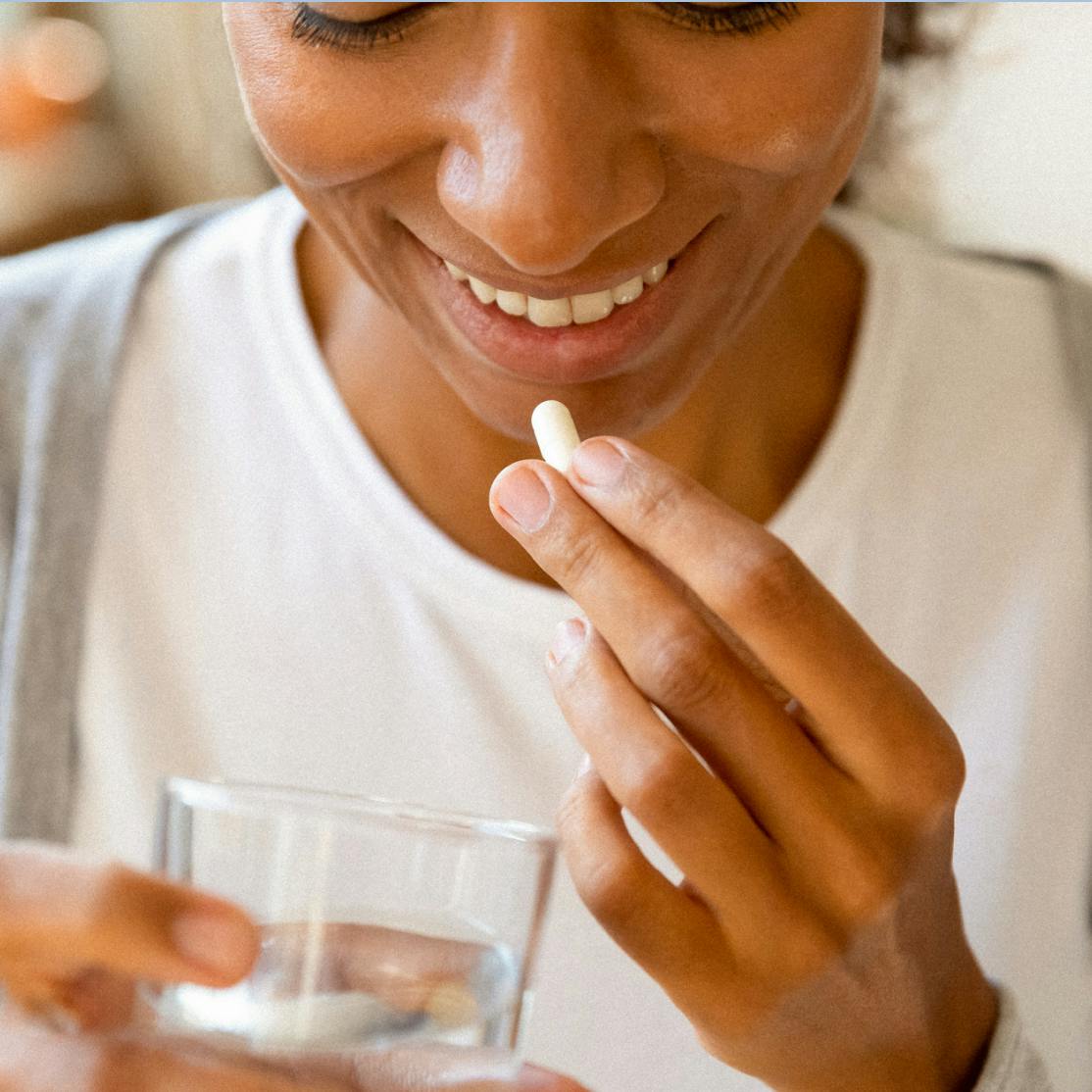
Over-the-counter (OTC) D-mannose supplements are available in either a concentrated powder or capsule form. Because some early research suggested that D-mannose may help prevent UTIs, these supplements are often touted as a go-to for urinary tract support and bladder health.
How Does D-Mannose Work in the Urinary Tract?
UTIs develop when bacteria—most often E. coli from the skin or rectum—makes its way into the urethra and then infects the urinary tract. You might experience burning when urinating, an urgent need to pee even when your bladder is empty, and bloody urine. Research has suggested that D-mannose may help prevent E. coli from sticking to cells in the urinary tract, leading some experts to theorize that its presence could make it harder for bacteria to cause an infection.
While this theory is compelling, more recent research has found there isn’t enough high-quality data to say for sure whether D-mannose for UTI prevention is an effective solution. (More on this below.) And, importantly, D-mannose won’t treat a UTI. If your clinician diagnoses you with UTI, they can prescribe a number of possible antibiotics to directly kill off offending bacteria.
What Success Looks and Feels Like
D-Mannose for UTIs: What the Research Actually Shows
So does D-mannose work to actually prevent UTIs? The research is mixed, and the supplement may not work for everyone. Some studies exploring the role of D-mannose in preventing UTIs are encouraging, but more recent trials suggest the supplement may not offer meaningful benefits for managing UTIs. We need more high-quality research to say for sure.
Let’s take a look at the current evidence. One promising study included a 2014 randomized trial of 308 women with recurrent UTIs. Researchers found that, after an initial course of antibiotics for acute cystitis given to all participants, those who consumed 2 grams (g) of D-mannose powder in water daily for 6 months had significantly lower UTI risk than those who didn’t have any ongoing treatment. Risk levels for the D-mannose group were comparable to those of participants who were given daily nitrofurantoin, a common antibiotic used to treat UTIs.
A later 2022 systematic review examined 21 studies that looked at non-antibiotic remedies for UTIs, which included D-mannose, cranberry, and non-steroidal anti-inflammatory drugs (NSAIDs) like naproxen (Aleve). D-mannose treatments were found to be effective in preventing UTIs, particularly when it came to combating E. coli. But there were limitations in the included studies, the authors pointed out, such as small sample sizes and varying definitions of UTI. Plus, only two of the studies looked at D-mannose alone, and two others looked at it as a combination treatment with cranberry.
Meanwhile, a 2022 Cochrane review found that the available evidence on D-mannose for UTIs was sparse, low-quality, and addressed few outcomes. Researchers concluded that we need more information to say for sure whether D-mannose can help prevent or treat UTIs.
Even more recently, a 2024 randomized clinical trial cast doubt on the usefulness of D-mannose for UTIs. Nearly 600 women with recurrent UTIs were recruited for this study from primary care centers in the United Kingdom, and the majority of those participants were postmenopausal. The women who took 2 g daily of D-mannose powder for 6 months did not experience reduced risk of additional infections compared with those who were given a placebo powder.

UTIs and Urinary Changes Increase in Midlife and Menopause
Women have a higher risk of developing UTIs in general, according to the Centers for Disease Control and Prevention (CDC). That’s because the female urethra is shorter and closer to the rectum, making it easier for infection-causing bacteria to sneak into the urinary tract. But UTIs can also increase in midlife and menopause as a result of bacterial changes that occur within the vagina.
It probably comes as no surprise that declining estrogen levels are the major driver behind these changes. As estrogen decreases, women may notice a number of bothersome symptoms, including thinner vaginal tissue, vulvar irritation, and greater urinary urgency and burning, along with more frequent UTIs.
This collection of symptoms is referred to as genitourinary syndrome of menopause (GSM). Nearly 50% of postmenopausal and 15% of premenopausal women are affected by it, research suggests.
Frustrating physical changes like these can lead midlife women to seek out supplements like D-mannose. But while there are some great OTC treatments for certain GSM symptoms, such as lubricants for painful sex, your best bet is to work with a healthcare professional, such as a Midi clinician, to get the care you need. A number of prescription hormone treatments are also available, some of which—like vaginal estrogen—may help reduce recurrent UTIs in menopausal women.

Can D-Mannose Support General Vaginal Health in Menopause?
You may wonder whether D-mannose could help prevent other infections, besides UTIs, that impact vaginal health, such as yeast infections or bacterial vaginosis (BV). In short: probably not.
That’s because these other infections develop differently than UTIs do: Vaginal yeast infections form from an overgrowth of Candida fungus. BV, on the other hand, occurs when bacteria levels in the vagina become unbalanced.
Both of these conditions are managed separately from UTIs; your clinician may prescribe antifungal medications for a yeast infection, for example. Some limited research on vaginal yeast infections even found that strains of Candida fungus may experience a higher growth rate when exposed to D-mannose (which is the opposite of helpful).
Rather than trying to self-treat vaginal symptoms, talk with a healthcare professional, such as a Midi clinician. They have a number of options in their toolkit to help address GSM symptoms like vulvar irritation or a burning when peeing, as well as support your overall vaginal health.
How Much D-Mannose to Take Daily: Dosing Considerations
If you have UTIs that keep coming back, the latest research suggests that D-mannose may not offer meaningful benefits. These supplements also can’t replace a true diagnosis from a clinician.
But if you’re still interested in trying D-mannose, make sure to check the product dosage guidelines. Most D-mannose studies have observed participants who took somewhere between 200 micrograms (mg) and 2 or 3 g daily, but amounts on OTC brands can differ.
Benefits and Limits: What D-Mannose Can and Cannot Do
Many people take D-mannose in the hope that these supplements may prevent recurrent UTIs and allow them to rely on antibiotics less frequently—an understandable goal for sure. But, again, research on D-mannose for UTIs is mixed. The latest evidence doesn’t suggest there are meaningful benefits, though you and your clinician might decide together that D-mannose is still a tool worth trying.
It’s also important to remember that supplements like D-mannose can’t cure an active UTI. If you think you have an infection, a clinician can evaluate your symptoms—like pain with urination, urgency, and frequency—to provide a diagnosis and treatment plan.
Getting a professional evaluation is important, in part because you may need prescription antibiotics, but also because UTI symptoms can sometimes be mistaken for other conditions or menopausal changes like vaginal dryness or irritation.
Side Effects and Safety of D-Mannose
Most adults tolerate D-mannose well with few side effects. Studies on D-mannose for UTIs have noted that some participants developed diarrhea or vaginal burning after taking these supplements—but again, these side effects weren’t common.
As with any supplement, it’s best to get your clinician’s go-ahead before starting D-mannose for the first time. They can determine whether it’s a safe and effective option for you, your health history, and your existing medication list.

How to Choose and Use a D-Mannose Supplement
If you and your clinician decide a D-mannose supplement is right for you, look for brands that use clinically proven ingredients and are third-party tested to confirm purity, potency, and quality.
You’ll typically have a choice of either capsules or pills or a powder to be mixed with water. Take only the dosage amount listed on the label.
Your clinician can also review supplements you’re considering, which is also helpful because they can advise you of any potential interactions with medications you might be taking.
When to See a Clinician for UTIs and Urinary Symptoms
UTIs are stubbornly common, and antibiotic treatment helps clear out offending bacteria for most people. Book a visit with a healthcare professional if you notice symptoms of a UTI, which might include pain when you pee, a need to urinate more often than normal, blood in your urine, or the sensation that you need to pee even when your bladder is empty.
Sometimes a UTI can become serious, particularly if the infection travels to the kidneys—yet another reason why getting a real diagnosis rather than self-treating with supplements is critical. Fever, chills, lower back pain, or nausea can be signs of a kidney infection. This type of infection can damage the kidneys, so quick treatment is important if you have those symptoms.
Urinary urgency, burning pain when peeing, and other UTI-like symptoms can also be signs of other conditions, including GSM. Working with a clinician, such as one from Midi, can help you make sure you actually have a UTI, plus determine the right treatments to improve your urinary health and ease any discomfort you’re experiencing.
Key Takeaways
- A type of simple sugar, D-mannose is found in certain foods and produced in small amounts by the human body. As a supplement, it’s sold in powder or capsule form.
- D-mannose supplements are often marketed for urinary health. Because a protein on the tip of E. coli adheres to D-mannose, some experts theorize that extra levels in the bladder could “flush” harmful bacteria from the urinary tract, preventing UTIs.
- As estrogen levels drop during midlife and menopause, bacterial changes in the vagina may increase UTI risk. As a result, some midlife women seek out supplements such as D-mannose to try to prevent recurrent UTIs and take fewer antibiotics.
- Research on D-mannose supplements for UTIs has been mixed. Some early studies showed promise, but recent research found that women with recurrent UTIs who took D-mannose didn’t experience lower infection risk compared with those given a placebo.
- You don’t have to suffer if you’re experiencing recurrent UTIs. A trained clinician, such as one from Midi Health, can recommend the right treatment to improve your symptoms.
Frequently Asked Questions (FAQs)
Can you flush out a UTI with D-mannose?
An argument for D-mannose supplements was that since E. coli latches onto the sugar in the bladder, if there were extra D-mannose in that environment, bacteria might adhere to it instead of the bladder walls, preventing infection. In theory, bacteria would be excreted from the urinary tract, essentially “flushed out.” But research on whether or not this process actually works to prevent UTIs has been mixed, and recent studies found little benefit.
Which is better, cranberry or D-mannose?
Cranberry supplements have also been studied for UTI prevention and treatment, and some research suggests they could be helpful for reducing recurrent UTI risk. However, if you think you have a UTI, a clinician can recommend the correct treatment to clear your infection, usually a course of antibiotics.
Is it OK to take D-mannose every day?
Studies on D-mannose usually ask participants to take it daily, but it’s important to talk with your clinician before starting any new supplements to make sure they’re right for you and won’t interfere with other medications.
How long does D-mannose take to work?
It’s unclear. Studies on whether or not D-mannose actually works to prevent UTIs suggest this supplement may not offer meaningful benefits for urinary health, but research participants are generally advised to take D-mannose for around 6 months.
Does D-mannose help with vaginal or yeast infections?
It’s unlikely. D-mannose has mostly been studied for its potential use in preventing or treating UTIs, and research on these benefits has been mixed. One study that examined the supplement for vaginal yeast infections found that Candida fungus may actually grow when exposed to D-mannose.
If you’re in perimenopause or menopause and want guidance from clinicians who specialize in women’s midlife health, book a virtual visit with Midi today.
Hormonal change is at the root of dozens of symptoms women experience in the years before and after their period stops.
Our trained menopause specialists can help you connect the dots to guide you towards safe, effective solutions.
Whether you need personalized guidance or a prescription routine to tackle symptoms—including vaginal dryness and irritation, brain fog, hot flashes, sleep trouble, mood swings, and weight gain—we’ve got you covered.
Midi’s mission is to revolutionize healthcare for women at midlife, wherever they live and whatever their health story. We believe that starts with education, to help all of us understand our always-changing bodies and health needs. Our core values guide everything we do, including standards that ensure the quality and trustworthiness of our content and editorial processes. We’re committed to providing information that is up-to-date, accurate, and relies on evidence-based research and peer-reviewed journals. For more details on our editorial process, see here.