

In midlife, hormonal changes can bring about vaginal dryness, irritation, and infections (not exactly the fun part of this life stage). Many women find relief with hormonal treatment during perimenopause and after menopause. But it turns out your plate can help too: Certain foods for vaginal health can support your vaginal microbiome and pH, as well as improve your comfort. Below, learn about the best foods for vaginal health.
And remember, you don’t have to live with symptoms in silence. Clinician-guided support, such as from a Midi Health clinician, can help you identify the cause of your symptoms and the best course of action for relief.
If you’re noticing more dryness, increased urinary tract infections (UTIs), or other not-so-great vaginal health changes in perimenopause or menopause, you might be wondering if what you eat can make a difference.
While diet tweaks shouldn’t replace medical care during this chapter of life, certain foods for vaginal health—and some foods to ease up on—can support your vaginal microbiome and the natural pH of your vagina. When both of these are in balance, you’re less likely to develop vaginal odor, vulvar itching, or infections.
Below, learn more about how the vaginal microbiome fights off infection, how menopause might change your balance of “good” and “bad” bacteria, the foods you can eat to support that balance, and when to see a healthcare professional (like a menopause-trained clinician at Midi) for more support.
How the Vaginal Microbiome and pH Actually Work
You may have heard of the gut microbiome, the community of bacteria living in your digestive system that are involved in digestion and other aspects of your health. Well, the vagina has its own microbiome, too. The “good” bacteria there produce a slightly acidic environment, making it less hospitable for infection-causing bacteria and microorganisms like yeast.
These good bacteria, called Lactobacillus, produce lactic acid to give the vagina that slightly acidic pH. As you might recall from middle school science class, the pH scale is a measurement from 0 to 14 of how acidic or alkaline (basic) something is, with lower numbers being more acidic and higher being more basic. The vagina typically has a pH between 3.8 and 4.5 before menopause.
But hormone changes, including during perimenopause and menopause, often change vaginal pH. Typically, women have a vaginal pH that’s higher than 4.5 after menopause (and, interestingly, right before a period).
Infections, antibiotics, sexual activity, and douching can all also disrupt the pH of the vagina because they can change the balance of bacteria there. But even something as seemingly unrelated as your diet can, too.
And when the vagina’s pH and microbiome are off, bacterial vaginosis (BV), yeast infections, and trichomoniasis become more common. So it’s good to know which foods for pH balance can help.
Why Menopause Changes Vaginal Health
During perimenopause, your body naturally begins to produce less of the hormone estrogen. Less estrogen leads to a thinning and drying of the vaginal lining.
As these cells become less active, they produce less glycogen, a form of sugar stored in the body. With less glycogen available, the Lactobacillus bacteria in the vagina don’t have as much fuel to produce lactic acid. In turn, the pH of the vagina goes up, becoming less acidic and less protective.
This shift toward dryness and a higher pH contributes to more frequent vaginal irritation and UTIs in midlife.
Diet and lifestyle changes can’t magically reverse these hormonal changes. Though your diet can support your comfort and the balance of your vaginal pH and microbiome, you may not get noticeable relief unless you also opt for medical support, such as prescription hormone replacement therapy (HRT, now commonly referred to as menopause hormone therapy, or MHT).

Probiotic Foods for Vaginal Health
Probiotic foods contain live bacteria that help keep your gut healthy. But they may also benefit your vaginal health.
Some of these foods contain the same Lactobacillus bacteria that are naturally present in your vagina. While research is limited, the thinking is that eating more of these bacteria helps maintain the right balance of them where it matters. Research suggests that probiotic supplements containing Lactobacillus strains can help reduce the likelihood of recurrent BV after treatment.
More research is needed to confirm that these findings also apply to eating probiotic foods for vaginal health. But because these foods are generally good for you for many other reasons, they typically can’t hurt to try:
- yogurt with live and active cultures
- kefir
Of course, these foods are not a guaranteed fix for BV or other infections, but they can help support overall vaginal health. Your doctor may also recommend a probiotic supplement, depending on your unique symptoms or concerns.
Fermented Foods That Support a Healthy Microbiome
Lactobacillus bacteria in dairy products aren’t the only beneficial bugs you might want to consider eating for vaginal health. Fermented foods are known for packing a range of diverse bacteria that can improve gut health, and it’s possible these foods may also support vaginal health.
Just make sure you’re picking refrigerated options that feature the phrase “live and active cultures” on the label. Shelf-stable versions of the fermented foods for vaginal health below don’t actually contain the live and active cultures:
- sauerkraut
- kimchi
- miso
- tempeh
- kombucha
If you’re new to fermented foods, you might want to start with small servings around a quarter of a cup per day and build up slowly over time in case they cause some bloating or gas.
Prebiotic Fiber and Vitamin-Rich Foods
Probiotics have a counterpart called prebiotics, the fiber that fuels those good-for-you bacteria.
In some studies, prebiotic fiber has been shown to support a healthy vaginal microbiome and potentially reduce the symptoms of BV.
But depending on what fiber-rich foods you choose, you can also benefit from additional nutrients. There’s iron in leafy greens, for example, which is a nutrient that many perimenopausal women are deficient in. There’s beta-carotene in sweet potatoes, a precursor to vitamin A. Research suggests when women have high levels of compounds called carotenoids, including beta-carotene, in their blood, they’re less likely to have certain vaginal infections.
It’s less about loading up on any specific prebiotic food and more about eating a range of colorful produce to support your overall and vaginal health. Some options to choose from include:
- leafy greens such as spinach and kale
- sweet potatoes
- whole grains like brown rice, oatmeal, and quinoa
- garlic and onions
- legumes such as beans, lentils, and peas
How Midi Helps
Cranberry, Hydration, and Urinary Comfort
UTIs are among the most common bacterial infections around. And if you’re familiar with the symptoms—like burning when urinating and the frequent, urgent need to go—it’s likely you’re looking for a preventive solution that may keep them at bay.
This is particularly important after menopause, when UTIs get even more common. That’s because the drop in estrogen production that accompanies menopause leads to vaginal dryness and irritation—and that can leave you more vulnerable to harmful, UTI-causing bacteria.
Some people turn to a specific fruit that’s rich in proanthocyanidins (plant compounds with antioxidant and anti-inflammatory properties), most notably cranberries.
The tart fruit has a reputation for preventing UTIs, but the science is a bit more nuanced than that. People who drink pure cranberry juice (aka juice with no sugar added) or take cranberry supplements have a 30% lower risk of developing a UTI, according to a 2021 PLOS One meta-analysis.
But generally, Midi clinicians do not recommend drinking cranberry juice for UTI prevention, as it typically contains high amounts of sugar and low amounts of the active compounds (PACs) needed to ward off infection. Instead, you may want to talk with a Midi clinician about the best cranberry products for you, which might be supplements.
Another element of the cranberry juice discussion is the benefit of simply drinking more fluids. For example, in research on the effects of cranberry juice for the treatment of UTIs, even drinking a placebo liquid had some benefit.
Staying well hydrated is also important: Drinking enough water dilutes your urine, lowering the concentration of bacteria hanging out there, which decreases UTI risk. Aim to drink enough water that your urine is a pale yellow color—that’s a good sign you’re hydrated.
While some UTI symptoms might improve from drinking enough water, you’ll most likely need antibiotics to fully clear the infection, so don’t rely on water or cranberry juice alone. And if you have recurrent UTIs—defined as more than 2 in 6 months or 3 in 12 months—talk with your clinician about other treatment or prevention options. For women in midlife, low-dose vaginal estrogen is considered the highly effective, first-line medication to restore tissue health, balance the microbiome, and stop UTIs from coming back.
Healthy Fats
These days, it can feel like everyone is encouraging you to eat more protein. But getting enough of the right kinds of fats is still essential, for overall health and vaginal health. That’s because the fats you eat are involved in regulating reproductive hormones like estrogen and testosterone, which in turn supports vaginal lubrication and comfort.
Choose from unsaturated fats such as:
- avocadoes
- olive oil
- nuts and seeds
- fatty fish like salmon and sardines
Phytoestrogen Foods
Phytoestrogens are plant compounds that mimic some of the effects of estrogen in your body.
Some studies suggest that postmenopausal women who get more phytoestrogens in their diet have better bone density and heart health. Some may get relief from hot flashes (although evidence is mixed and limited).
While more research is needed, it generally won’t hurt to try incorporating more of these foods as part of an overall balanced diet:
- beans and lentils
- nuts and seeds, including flaxseeds
- soy products, such as tofu, tempeh, edamame, and soy milk
Foods and Drinks to Limit for Vaginal Health
Incorporating the foods above, alongside a balanced diet and other important lifestyle habits (more on those below), can help support vaginal health.
But there are also some foods to avoid for vaginal health. No single food or drink on the list below will cause vaginal health problems all on its own, but in excess, they might contribute to discomfort or circumstances in which you’re more vulnerable to infections or other concerns.
You don’t have to completely ban any of these from your diet, but enjoying them in moderation may be helpful:
- Excess added sugar: Getting too much refined sugar may increase your risk of vaginal yeast infections, especially if you have diabetes and your blood sugar is not well managed.
- Highly processed foods: Not only do these options often have high amounts of sugar, they may also contribute to systemic inflammation, which can in turn affect overall health and susceptibility to chronic disease and infection.
- Excessive alcohol: Alcohol use is associated with a higher risk of BV, vaginal dryness, and sexual dysfunction (such as low libido or difficulty orgasming). Plus, excessive alcohol use also contributes to inflammation.
Building a Vaginal Health-Friendly Diet in Midlife
Remember, foods for vaginal health aren’t a replacement for medical care. But when paired with regular movement, good hydration, plenty of sleep, and stress-management techniques, your diet choices can contribute to a lower risk of certain symptoms, infections, and other vaginal health concerns.
Keep in mind that diet changes don’t typically result in a dramatic transformation of your current vaginal health, and the benefits you’re likely to see may come on gradually, not overnight.
That said, because the best foods for vaginal health are also overall healthy foods, it typically doesn’t hurt to add more of the foods below into your regular eating routine.
Here are some suggestions for meals featuring various foods for vaginal health to try:
- Greek yogurt with banana, flaxseeds, and walnuts
- overnight oats with kefir, chia seeds, and almonds
- brown rice with tofu, edamame, garlic, scallions, sesame oil, avocado, and kimchi
- miso soup with tofu and vegetables
- Mediterranean salad with chickpeas, onions, olives, and a kefir-based dressing
- roasted vegetables and tempeh topped with olive oil and pumpkin seeds
- miso-glazed salmon with roasted vegetables
- grilled chicken with quinoa, walnuts, and avocado, topped with a Greek yogurt dressing
When to See a Clinician About Vaginal Symptoms
It’s important to remember that food can’t treat an active infection or significant perimenopausal symptoms.
You should always talk with a healthcare professional if you have:
- irregular or painful periods
- pelvic pain during exercise or sex
- recurrent UTIs or BV
- unusual vaginal discharge, odor, or itching
A clinician will ask you about your symptoms and when they started. They may also ask whether these symptoms feel like anything you’ve experienced in the past. If they suspect you have an infection, they can order a urine test at a local lab, or refer you for an in-person pelvic exam and discharge culture to find the exact cause if your symptoms are stubborn or keep coming back.
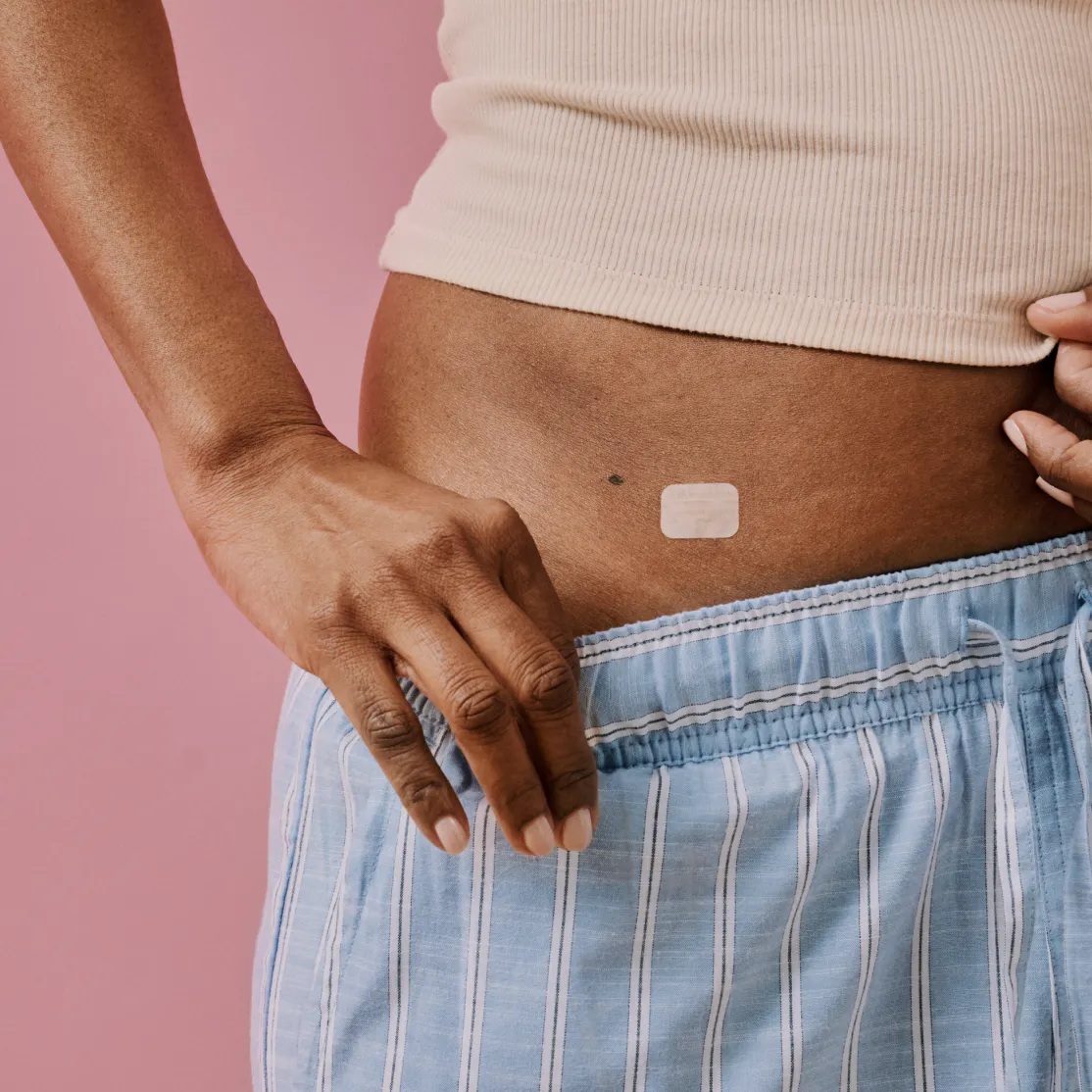
If they suspect you’re nearing menopause, they may offer various treatment options to address symptoms like vaginal dryness and tissue thinning, such as local vaginal estrogen creams. You might also be a candidate for systemic hormone therapy, such as transdermal estrogen (like patches or gels applied to the skin, which are often preferred over oral pills for their safety profile), typically paired with progesterone if you have a uterus.
If needed, your clinician might also discuss a daily vaginal insert, called dehydroepiandrosterone, to relieve pain during sex. If you prefer or need to avoid hormonal treatment options, your clinician may consider antidepressants to alleviate hot flashes, or a seizure medication called gabapentin to help with hot flashes and sleep issues.
You can book a virtual visit with a Midi clinician, who can evaluate and treat your symptoms promptly and give you the care you need.

Key Takeaways
- Vaginal health is in part dictated by the balance of bacteria in the vaginal microbiome. When this balance is thrown off—say, by hormone changes, sex, or antibiotics—your vaginal pH may change, setting the stage for irritation and infection.
- Some foods can help support overall health, including a healthy vaginal microbiome and pH, such as probiotic foods, fermented foods, high-fiber foods, healthy fats, and phytoestrogen foods.
- It’s also helpful to drink enough water and limit added sugar, alcohol, and ultraprocessed foods to support vaginal health and overall health.
- No single food can treat a vaginal infection or address perimenopause or menopause symptoms, but smart diet choices can support your well-being.
- Talk with a healthcare professional about irregular periods, pelvic pain, recurrent vaginal infections, or unusual vaginal discharge.
Frequently Asked Questions (FAQs)
What foods are good for pH balance?
When they contain live and active cultures, probiotic foods like yogurt and kefir as well as fermented foods like sauerkraut and kimchi are thought to be good for your vaginal pH balance. This is because they contain the “good” bacteria that help maintain the right balance in your vaginal microbiome.
What can you drink for a healthy vagina?
The best thing to drink for a healthy vagina is water. This helps flush “bad” bacteria out of your bladder, decreasing your risk of a UTI.
Is cranberry juice good for vaginal health?
It’s complicated. Compounds in cranberries may help prevent and treat UTIs, but cranberry juice is often high in sugar and low in those beneficial compounds. Midi clinicians typically recommend cranberry supplements instead.
Is Greek yogurt good for vaginal health?
Yes, potentially—as long as the product lists live and active cultures on its label. This means it contains the helpful Lactobacillus bacteria that can support vaginal health.
Can boric acid or supplements help when food isn't enough?
Don’t count on it. Boric acid is a chemical with antifungal and antiviral properties. Some people use vaginal boric acid suppositories to treat some vaginal infections, such as yeast infections, but evidence is limited as to how well this works. Boric acid is toxic if taken orally. It’s always better to discuss symptoms with your clinician to avoid making symptoms worse with the wrong treatment for your condition.
If you’re in perimenopause or menopause and want guidance from clinicians who specialize in women’s midlife health, book a virtual visit with Midi today.
Hormonal change is at the root of dozens of symptoms women experience in the years before and after their period stops.
Our trained menopause specialists can help you connect the dots to guide you towards safe, effective solutions.
Whether you need personalized guidance or a prescription routine to tackle symptoms—including brain fog, hot flashes, sleep trouble, mood swings, and weight gain—we’ve got you covered. Learn more here.
Midi’s mission is to revolutionize healthcare for women at midlife, wherever they live and whatever their health story. We believe that starts with education, to help all of us understand our always-changing bodies and health needs. Our core values guide everything we do, including standards that ensure the quality and trustworthiness of our content and editorial processes. We’re committed to providing information that is up-to-date, accurate, and relies on evidence-based research and peer-reviewed journals. For more details on our editorial process, see here.