 Heather Hofflich, MD
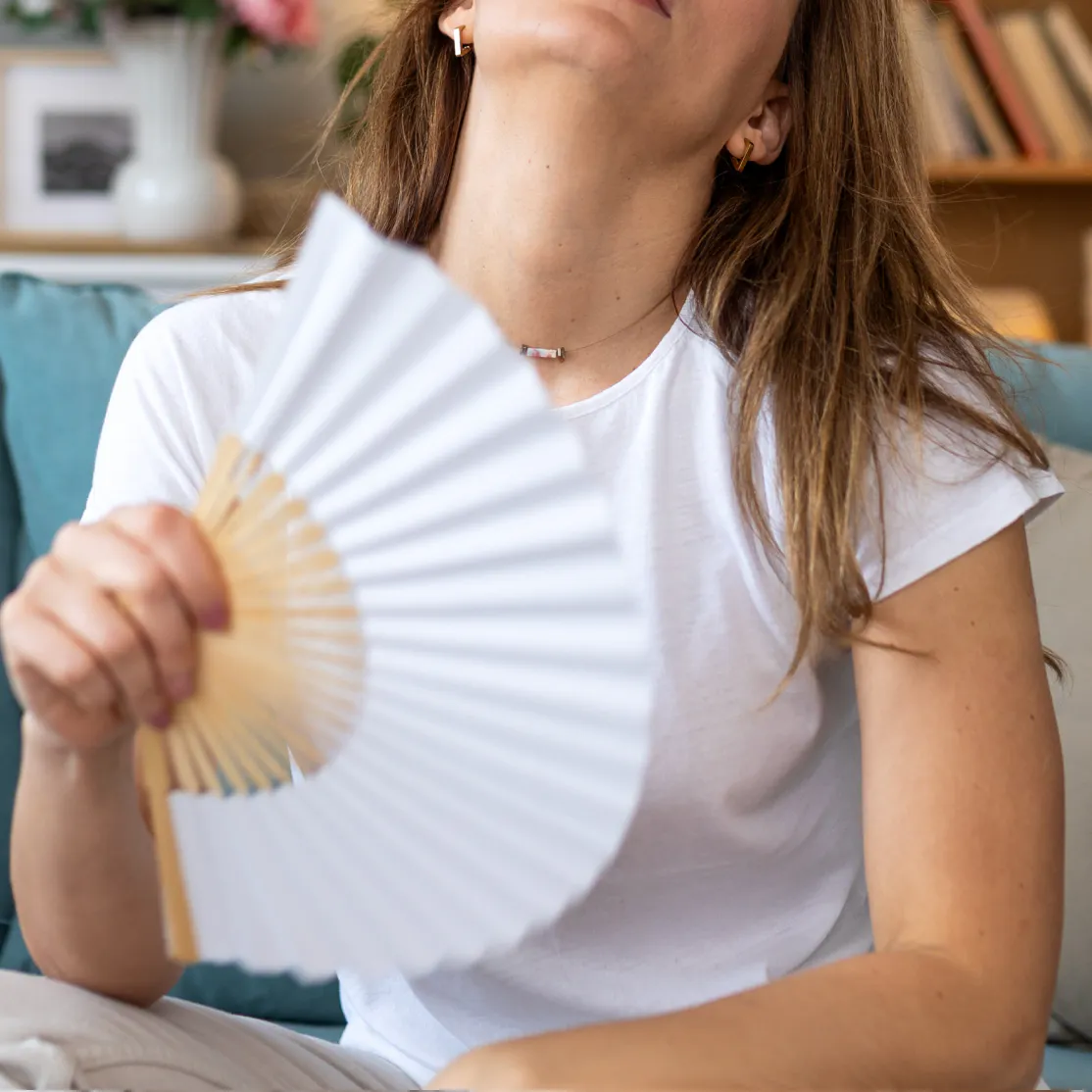
Frustrating truth: Hot flashes don't always end with menopause. In fact, for many women, they continue for years afterward or can even return after a period of relief. (That’s just…uncool.) Understanding what's happening in your body and why symptoms persist is the first step toward managing them. The good news is that you have plenty of ways to ease hot flashes after menopause, from lifestyle adjustments to non-hormonal and hormonal treatments. A provider can help you weigh those choices with your personal health history in mind. Whether postmenopausal hot flashes are new or ongoing, you can take steps to feel better at any age.
Just when many women think they’re done with the symptoms of perimenopause and menopause, hot flashes can show up again, like an uninvited guest in a group chat. Hot flashes after menopause can come as a surprise—even more so if they return after a period of relief. In this guide, we’ll walk you through what’s happening in your body, why symptoms can persist, and when it’s worth checking in with your doctor.
If this news feels discouraging, know this: Many lifestyle changes can make a meaningful difference in calming postmenopausal hot flashes. Plus, a clinician can help you consider non-hormonal treatments and hormone therapy options, with safety and your personal health history in mind.
Even if having hot flashes after menopause wasn’t on your radar, and even if it’s happening way after you hit menopause (“Why am I having hot flashes in my 70s?!” Yes, it can happen.), there are ways to manage them. We’ll explain what may be driving these symptoms, what to discuss with your clinician, and which red flags should prompt medical evaluation—so you can chill the heat at any age and take care of your total well-being.
Hot Flashes After Menopause: What’s Actually Happening
Of all the postmenopause symptoms you can experience, hot flashes can be one of the most frustrating and disruptive. When they occur, it’s a sign that your body’s internal temperature regulation system is temporarily out of balance. You may suddenly feel intense heat, along with sweating and flushing, and sometimes even chills afterward as your body temperature drops.
This has to do with thermoregulation:
- During and after menopause, the brain’s temperature “set point” becomes more sensitive.
- Even small changes in body temperature, stress levels, or the environment can trigger a hot flash.
- The episodes can happen during the day, but they’re also common at night, often referred to as night sweats.
Hot flashes don’t follow a predictable timeline. For some women, the frequency and severity of hot flashes can vary widely and may change over time. While experiencing hot flashes after menopause is common, symptoms that disrupt sleep or daily life shouldn’t be ignored and may be worth discussing with a trained clinician, such as a Midi clinician.
What Causes Hot Flashes After Menopause (Beyond “Just Hormones”)?
If you’re wondering what causes hot flashes after menopause, changes in estrogen levels are certainly a factor—but they’re only part of the bigger picture. A variety of everyday triggers can influence how often hot flashes occur or how intense they feel. Common triggers include:
- alcohol
- spicy foods
- hot environments
- stress
- poor sleep
- overheating at night
These factors can bring on a hot flash or make existing symptoms worse.
Weight changes and metabolic factors can also play a role in whether you have hot flashes and how severe they are. For example, in some women, excess weight has been linked to a higher risk of hot flashes. Certain medications may also worsen flushing or night sweats, including some cancer treatments and drugs that affect blood vessels. If you notice changes in your symptoms, it’s a good idea to review your medications with your clinician.
Another often overlooked factor: Some health conditions can mimic or worsen hot flashes. For example, thyroid disorders can sometimes cause symptoms—such as sweating, flushing, or feeling overheated—that resemble hot flashes. Anxiety can also do this, as can some medications, such as certain anti-depressants and blood pressure medications.
Because of this, it’s important to speak with a healthcare professional, such as a Midi clinician, about any new or changing symptoms, so they can rule out other possible causes.
True Stories of Transformation
Postmenopausal Hot Flashes: Why Symptoms Can Return After a Quiet Period
It can be so confusing (and annoying!) when that flush of heat starts up again after you thought you were onto a different phase of life. But it may simply mean that your body is more sensitive to certain triggers right now. Here are a few common triggers of hot flashes after menopause:
- Stress, illness, or sleep disruption: These can all lower your tolerance for heat and trigger vasomotor symptoms, which can come and go over time.
- Medications and supplements: Changes in medications or new supplements may also play a role in triggering symptoms.
- Environmental changes: Things like traveling to warmer climates or shifting seasons can also bring on hot flashes. And sleeping with heavy bedding or keeping the bedroom too warm may trigger symptoms at night.
- Alcohol or caffeine: These substances can have a similar effect. Keeping track of what and when you drink alcohol or consume caffeine may help you figure out whether they’re influencing your symptoms.
“Why Am I Having Hot Flashes in My 70s?” What’s Common vs. What Needs a Check
Having hot flashes in your 70s? Know that you’re not alone. Many women continue to experience vasomotor symptoms well after menopause—for some, these symptoms can persist for years or even decades.
Still, new-onset hot flashes later in life deserve evaluation by a provider, especially if they begin suddenly or become severe enough to disrupt your usual day to day.
Many women also experience night sweats, but sometimes these have a different cause than hot flashes. If you often wake up soaked with sweat, it’s worth discussing this with your clinician as well, so they can rule out any potential underlying issues.
It’s also important to consider how these symptoms affect your overall quality of life. Are you losing sleep, experiencing mood shifts, or feeling extremely fatigued during the day? If so, these are all good reasons to get a healthcare professional’s support.
Talk with your clinician about your health conditions to see whether these should influence your treatment. This includes cardiovascular and clot risk, cancer history, osteoporosis, and sleep apnea.
How to Track Symptoms So You Can Target Your Treatment
One of the smartest ways to stay on top of your health is to keep a diary of your symptoms. This lets you discuss what’s happening with your clinician with specific details, rather than vague impressions that something feels off.
When you experience postmenopausal hot flashes, write down the time, how severe it was, how long it lasted, and any specific triggers that may have brought it on. Also note whether anything helped relieve the symptoms. Tracking both daytime hot flashes and night sweats is also important, as they can have different triggers and treatments.
Some things to include in this record:
- how hot flashes affected your sleep quality
- whether you had alcohol or caffeine that day
- your stress level
- what you ate beforehand
- the room (or outdoor) temperature when the hot flash occurred
Keeping a log of any meds or supplements you’re taking is also helpful (noting any dose changes), since some can trigger hot flashes or other side effects.
Understandably, this might seem like a lot to track. But with this information in hand, you and your clinician have a better chance of seeing patterns and can make more informed decisions about managing your symptoms.

Treatment Options: What Helps Postmenopause Hot Flashes
Here is some very good news: When it comes to treatment options for hot flashes after menopause, there are many strategies you can try. Consider lifestyle changes first:
- Try simple cooling strategies: This can go a long way toward reducing sudden waves of heat. Layered clothing, fans (handheld or bigger ones), cooling sheets, and breathable bedding can all help.
- Manage triggers: Reducing or eliminating your triggers—whether that’s alcohol, spicy foods, caffeine, or other foods and drinks—may lead to less intense or less severe hot flashes. Sometimes even just adjusting the timing of when you consume the trigger foods or drinks can help.
- Focus on healthy sleep habits: Keep the bedroom cool, stick to a consistent sleep routine, and wear moisture-wicking pajamas—these all may help reduce night sweats.
If lifestyle changes aren’t enough, there are also non-hormonal prescription options that a clinician may recommend. These can include medications such as certain antidepressants or gabapentin, as well as other treatments that help regulate the body’s temperature control system.
For some women, a first-line (and FDA-approved) treatment is hormone replacement therapy (HRT), also known as hormone therapy or menopause hormone therapy, according to The Menopause Society.
Past research has found that hormone therapy decreases the weekly frequency of hot flashes by 75%, compared with a placebo. A clinician can help you weigh the potential benefits and risks based on your age, time since menopause (even if you’ve been postmenopausal for a while, HRT may be an option), and overall health history.

Working with a Healthcare Professional: What to Discuss at Your Visit
When postmenopausal hot flashes have you confused and uncomfortable, talking with a clinician can ease your mind and your body. One of the first goals will be confirming whether your symptoms fit the typical pattern of hot flashes after menopause, or if they could be related to another condition that needs attention.
Your clinician can advise you whether lab tests or other evaluations are appropriate—especially if your symptoms are new, changing, or severe—and guide you toward the next steps.
You can let the clinician in on all medications and supplements you’re taking, as well as discuss your treatment preferences. It’s a highly individual decision whether to choose a hormonal or non-hormonal approach, and your clinician can help you weigh the potential benefits and risks.
Finally, your clinician can help establish a timeline for follow-ups, so they can check whether your symptoms have responded to treatment and make any adjustments needed.
Red Flags That Indicate It's Time to Seek Care
While hot flashes after menopause are common, certain symptoms should prompt a conversation with your clinician sooner rather than later:
- Hot flashes or night sweats that begin suddenly later in life, especially after years without symptoms—other possible causes should be ruled out.
- Symptoms that occur alongside unexplained weight loss, persistent fever, swollen lymph nodes, or a chronic cough. These may signal an underlying condition that requires attention.
- Night sweats that regularly soak bedding or cause extreme sleep disruption.
- Chest pain, fainting, severe shortness of breath, or heart palpitations. Seek emergency care.
And if hot flashes or the sleep deprivation they’re causing are leading to falls, dizziness, or dehydration, talk with your clinician to identify safer and more effective ways to manage symptoms.
Key Takeaways
- Hot flashes after menopause are common, and for some women these vasomotor symptoms can continue for years or even decades after their final period.
- Postmenopausal hot flashes aren’t caused by hormones alone—triggers such as stress, poor sleep, alcohol, medications, and temperature changes can all play a role.
- Tracking your symptoms and triggers can help you and your clinician better understand what’s driving your hot flashes and which treatments may work best.
- Lifestyle changes, non-hormonal medications, and hormone therapy are all possible treatment options, depending on your health history and preferences.
- New or worsening symptoms later in life should be evaluated, especially if hot flashes begin suddenly or interfere with sleep, safety, or daily life.
Frequently Asked Questions (FAQs)
Why am I getting hot flashes again after menopause?
Hot flashes can return after menopause because the body’s temperature regulation system may remain sensitive to triggers. Stress, poor sleep, alcohol, medications, illness, or environmental changes can sometimes cause symptoms to flare up again, even after a long symptom-free period. If hot flashes return suddenly or feel different than before, it’s a good idea to discuss them with your clinician.
What supplements help with hot flashes?
Some people explore supplements such as black cohosh, soy isoflavones, or flaxseed for hot flash relief. However, it’s best to discuss any supplement with a clinician before trying it.
What can be mistaken for hot flashes?
Several health conditions can mimic hot flashes, including thyroid disorders, infections, medication side effects, or anxiety-related symptoms. Because of this overlap, new or unusual symptoms should be reviewed with a clinician to ensure the correct cause is identified.
What medication is used for hot flashes?
Treatment options may include hormone therapy, which is often the most effective treatment for menopausal hot flashes. Non-hormonal medications such as certain antidepressants or other therapies can help regulate the body’s temperature control system. A clinician can help determine which option is safest and most appropriate based on your health history.
When to be concerned about hot flashes
Hot flashes after menopause are common, but you should seek medical advice if they begin suddenly later in life, worsen quickly, or occur alongside symptoms such as unexplained weight loss, fever, chest pain, or persistent night sweats. These symptoms may signal another condition that requires evaluation.
If you’re in perimenopause or menopause and want guidance from clinicians who specialize in women’s midlife health, book a virtual visit with Midi today.
Hormonal change is at the root of dozens of symptoms women experience in the years before and after their period stops.
Our trained menopause specialists can help you connect the dots to guide you towards safe, effective solutions.
Whether you need personalized guidance or a prescription routine to tackle symptoms—including brain fog, hot flashes, sleep trouble, mood swings, and weight gain—we’ve got you covered. Learn more here.
Midi’s mission is to revolutionize healthcare for women at midlife, wherever they live and whatever their health story. We believe that starts with education, to help all of us understand our always-changing bodies and health needs. Our core values guide everything we do, including standards that ensure the quality and trustworthiness of our content and editorial processes. We’re committed to providing information that is up-to-date, accurate, and relies on evidence-based research and peer-reviewed journals. For more details on our editorial process, see here.