
In a world where a solution for almost every ailment feels like it’s just a click away, you might think hormone replacement therapy (HRT, now commonly referred to as menopause hormone therapy, or MHT) should be the same. But getting and administering the hormone safely still requires the advice and supervision of a licensed healthcare professional.
Prescription forms of estrogen—including pills, patches, gels, sprays, and vaginal creams—are the only types of estrogen-increasing treatments that are clinically proven to work. So, while you may wonder whether you can increase estrogen naturally, there are limits. Diet and lifestyle habits can be supportive, but they usually don’t do enough to deliver the comprehensive results needed to feel your best.
The good news: A visit with a Midi clinician is, in fact, just a few clicks away. They can help you decode your symptoms and determine how to increase estrogen in a way that’s safe and comfortable for you.
Below, learn more about how to raise your estrogen levels if needed, both safely and effectively.
When Low Estrogen May Be the Issue
With age, estrogen levels naturally decline, which triggers the menopausal transition and its hallmark discomforts. If you are in perimenopause or menopause, fluctuating estrogen can look like hot flashes, night sweats, sleep changes, mood shifts, vaginal dryness, painful sex, urinary symptoms, brain fog, and irregular periods.
That’s the primary reason you may want to look into estrogen treatments, like estrogen pills or patches. However, other potential causes of low estrogen may also have you wondering how to increase estrogen levels. Those include certain conditions like hypopituitarism (pituitary gland dysfunction), ovary complications, and others. Postpartum hormone imbalances, eating disorders, or cancer treatment can also cause low estrogen.
Symptoms of low estrogen may also overlap with those of other chronic conditions, like thyroid disease, anemia, depression, and sleep disorders. So, before you begin pursuing ways to increase estrogen, make sure to have a discussion with a healthcare professional, such as a Midi clinician, who can help you narrow down the root cause of your symptoms.
How to Get Estrogen Safely (if You’re Eligible)
Before attempting any quick fixes for increasing estrogen, understand that there are risks, including counterfeit products sold online (that don’t contain prescription estradiol, the main estrogen hormone your body creates). Plus, you could end up over- or under-medicated, especially if you borrow a friend’s cream or gel.
A healthcare professional, such as a Midi clinician, can help you break down your symptoms, review your medical and menstrual history, and choose which method of hormone therapy or alternative medical therapy may be right for you and your health history.
Your clinician may or may not recommend hormone testing to determine the best course of action. It isn’t always a good fit, because hormone levels fluctuate so drastically during perimenopause and menopause. More often than not, clinicians tend to treat symptoms over quantified hormone levels. The form of estrogen you’re prescribed—a pill, patch, or local vaginal cream—will depend on your needs and health history.
True Stories Of Transformation
Estrogen Pills, Patches, Gels, and More
There are a few main types of estrogen therapy, whether in the form of traditional hormone therapy or lower-dose birth control. Those include:
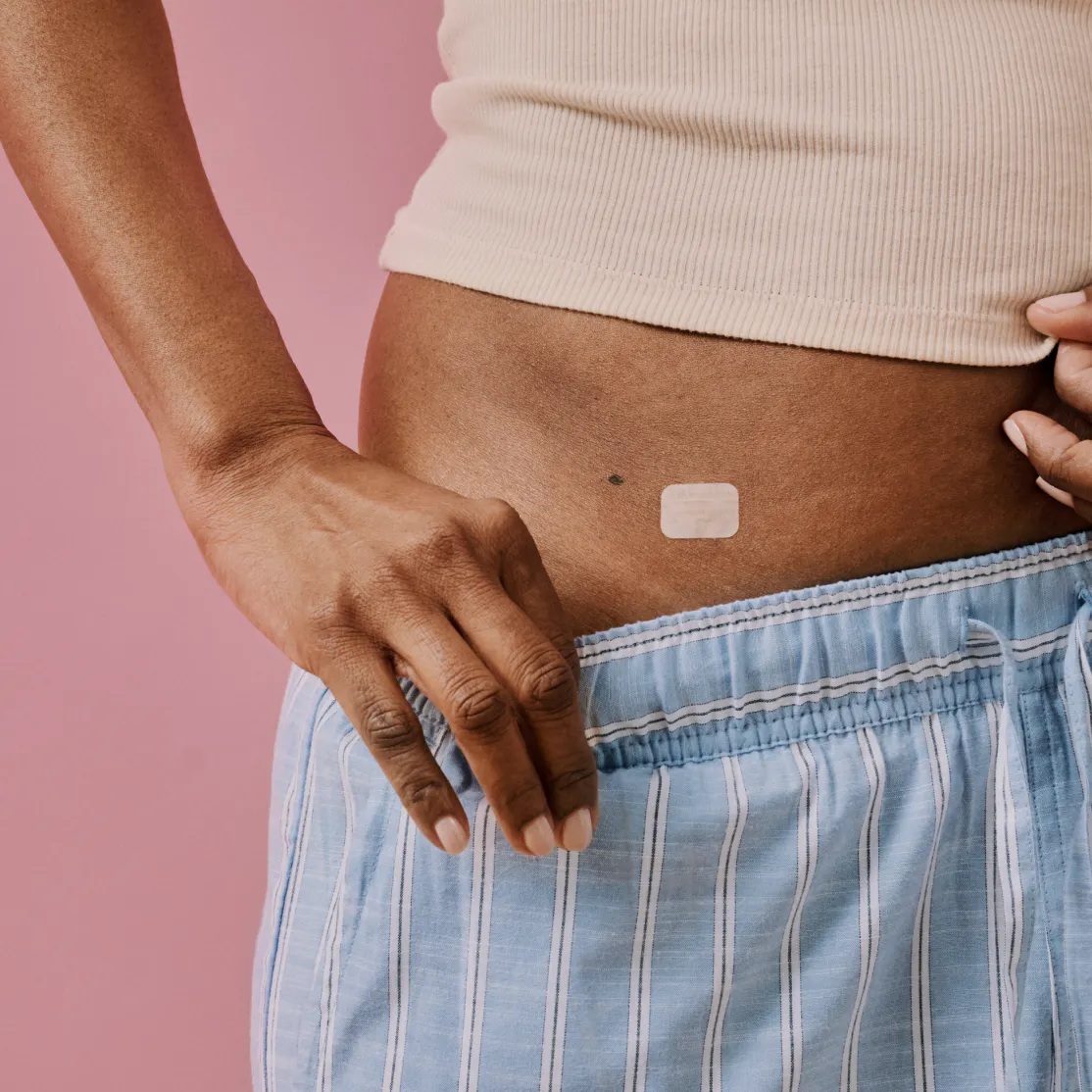
- Estrogen patches: These are thin patches that adhere to the skin and contain only estrogen or a mix of estrogen and progesterone, depending on a person’s needs. They are one of the most commonly prescribed first-line therapies for many women beginning HRT for menopause because they bypass the liver, meaning they carry a lower risk of blood clots compared to oral pills. The patch is placed on the lower abdomen or upper buttock area, and it delivers hormones through the skin and into the bloodstream at a consistent level.
- Estrogen pills: Estrogen tablets may seem like the most convenient option for HRT, as they eliminate the need to deal with sticky patches or gels; however, they’re not always a good fit for people with certain clotting or liver disease risks. They get absorbed via the digestive system, rather than going directly into the bloodstream through the skin. This can cause unique side effects and health risks. The estrogen pill can also have more variable serum or blood hormone levels, so some women might feel better on the patch with a more constant hormone level.
- Estrogen gels and sprays: Estrogen gels (like EstroGel) or sprays work similarly to patches in that they are applied to the skin daily to transdermally deliver HRT. Transdermal options have flexible dosing options that can be discussed with a clinician.
- Vaginal estrogen: Local vaginal estrogen is different from pills, patches, and gels because it is meant to treat symptoms local to the vagina only, including vaginal dryness and some urinary symptoms. It comes in the form of a cream, tablet, or local ring insert.
- Low-dose combined oral contraceptives (COCs): These low-dose birth control pills may be an effective first-line treatment for women in early perimenopause who need to manage menopausal symptoms and also want pregnancy prevention or control of irregular or heavy bleeding. But they contain higher estrogen doses than standard hormone therapy and aren’t right for every patient.
While systemic hormone therapy treatments (like estrogen pills, patches, sprays, and gels) will gradually increase estrogen levels throughout your body to relieve symptoms like hot flashes, local vaginal estrogen is specifically designed to have minimal systemic absorption. For all methods, it may take a few weeks to notice a change in symptoms.
Anyone with a uterus typically needs progesterone alongside systemic estrogen to protect the uterine lining and lower endometrial cancer risk.
Remember, the best way to find the right treatment for you is by talking it over with a menopause-trained healthcare professional, like a Midi clinician.

Estrogen Therapy Options
How to Increase Estrogen Naturally: What Helps and What Has Limits
Lifestyle strategies may support hormone health, but they may not meaningfully increase estrogen for everyone. During menopause, in general, it's important to prioritize a healthy, balanced diet, along with enough calories, protein, and fiber, as well as strength training, sleep, and stress support.
You may be wondering if supplements should have a place in your regimen as symptoms come and go. Supplements aren’t a replacement for prescription medications, but research-backed, third-party-tested supplements may be a helpful adjunct to your care. It's best to discuss those choices with a clinician before moving forward.
How Can I Raise My Estrogen Levels Quickly?
There is no safe DIY shortcut for quickly raising estrogen. Prescription estrogen may improve some symptoms, but timing varies by symptom, dose, route, and individual response.
Moving too quickly into self-prescribed menopause symptom treatments can miss the crucial step of safety screening and necessary individualization. Severe, sudden, or unusual symptoms should be evaluated before starting treatment.
Safety, Side Effects, and Who Should Be Extra Careful
Possible side effects of estrogen therapy include breast tenderness, spotting, bloating, nausea, headache, or skin irritation from patches. Fortunately, many of these—like mild nausea, headaches, and breast discomfort—are temporary and likely to resolve as your body adjusts. Regular follow-ups with your clinician can help dial in your ideal dose and route, as well as an ongoing, flexible plan to treat symptoms as they come and go.
Estrogen may not be appropriate for everyone. If you have a history of blood clots, stroke, liver disease, or certain migraine patterns, your treatment plan may require extra caution—though you may still be a great candidate for transdermal estrogen (patches or gels), which bypasses the liver and carries a much lower risk than oral estrogen pills. However, if you have a history of estrogen-sensitive cancer or unexplained vaginal bleeding, systemic estrogen is generally avoided, and your clinician can offer highly effective non-hormonal prescription alternatives instead. Some patients with skin conditions such as eczema or psoriasis may not be candidates for the hormone patch.
If you experience chest pain, shortness of breath, sudden severe headache, one-sided weakness, leg swelling, or heavy unexplained bleeding while taking estrogen, seek medical care as soon as possible.
Frequently Asked Questions (FAQs)
Can I get estrogen without a prescription?
It is not safe to acquire estrogen without a prescription. Any over-the-counter estrogen products you come across likely contain plant-based ingredients that have phytoestrogens, which do not work the same as a prescription for estradiol.
What is the fastest form of estrogen?
There is no single answer for this—everyone has a different symptom load and requires different doses and forms of estrogen, and each person who uses estrogen adjusts to it differently.
Do I need a blood test before getting estrogen?
Generally, no. Menopause and perimenopause are clinical diagnoses, meaning a clinician can often prescribe estrogen based entirely on your health history and symptoms. Because hormone levels fluctuate so much day-to-day, a single blood test can actually be misleading. While your clinician might order basic labs to check your overall health, hormone testing is rarely required to get started on treatment.
Can I take estrogen if I still get periods?
Yes. People with a uterus who are prescribed estrogen are also typically prescribed progesterone, a hormone that helps protect the uterine lining from developing cancer due to estrogen exposure. Note that with the addition of hormones, you can occasionally experience irregular or unscheduled bleeding if you already have regular cycles, as these hormones can shift your cycle. Talk with your clinician if this is the case.
What happens if I take estrogen without progesterone?
If you have had a hysterectomy (meaning your uterus has been surgically removed), your clinician generally won’t need to prescribe progesterone in addition to estrogen. However, if you are menopausal but still have your uterus, you will usually still need to take progesterone alongside systemic estrogen to protect the uterine lining. It’s always best to discuss your personal medical history with your clinician to determine the safest course of action.
How long does it take estrogen therapy to work?
Some women report seeing changes or improvement in symptoms in 3 to 6 weeks, but the journey is slightly different for everyone.
If you’re in perimenopause or menopause and want guidance from clinicians who specialize in women’s midlife health, book a virtual visit with Midi today.
Hormonal change is at the root of dozens of symptoms women experience in the years before and after their period stops.
Our trained menopause specialists can help you connect the dots to guide you towards safe, effective solutions.
Whether you need personalized guidance or a prescription routine to tackle symptoms—including brain fog, hot flashes, sleep trouble, mood swings, and weight gain—we’ve got you covered. Learn more here.
Midi’s mission is to revolutionize healthcare for women at midlife, wherever they live and whatever their health story. We believe that starts with education, to help all of us understand our always-changing bodies and health needs. Our core values guide everything we do, including standards that ensure the quality and trustworthiness of our content and editorial processes. We’re committed to providing information that is up-to-date, accurate, and relies on evidence-based research and peer-reviewed journals. For more details on our editorial process, see here.